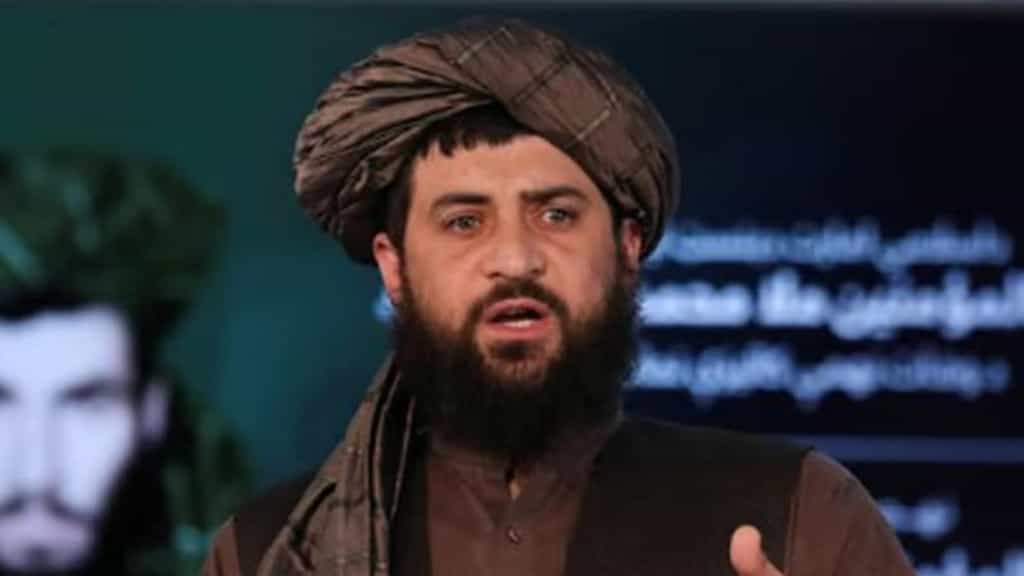
The Taliban is not a monolithic organisation as it is divided into various factions and networks along with tribal and regional affiliations. A strong emphasis on discipline, secrecy, and tribal codes (Pashtunwali) ensures that a commonality of approach emerges, even though certain factions dominate certain regions and tribes.
Historically, the Kandahari faction has led the Taliban movement with Hibatullah Akhundzada as the Amir-ul-Momineen or the Supreme Leader of the Taliban. Other powerful ministers from the faction include Mullah Mohammad Yaqoob (Defence Minister), Abdul Ghani Baradar (Deputy Prime Minister) and Sheikh Abdul Hakim (Chief Justice), among others.
As Kandahar itself is in the southern region of Afghanistan (not along the Af-Pak border or the Durand Line), its leadership has fewer familial/tribal or even economic ties with Pakistan. This has ensured a perennial suspicion about Pakistan’s interference in Afghanistan within this faction, which was particularly magnified during the days following the death of the former leader, Mullah Omar. This leading Kandahari faction has had an almost equal match (at least in terms of security and intelligence wherewithal) with the decidedly more “pro-Pakistan” Haqqani Network.
The Haqqani Network leadership boasts of strongmen like Sirajuddin Haqqani (Minister of Interior – controlling policing, borders and intelligence) and Khalil-ur-Rahman Haqqani (Minister for Refugees and Repatriation). The core turf of the Haqqani Network is in the provinces along the Durand Line, like Khost, Paktia, and Paktika, and therefore, they are structurally, logistically, and organisationally more dependent on Pakistan for support and leverage as their rear bases are in Pakistan’s tribal areas. This naturally led to a deep working relationship with Pakistan, more than any other faction.
Surreal optics of the sudden dash by the then Director General of Pakistani spy agency, Inter-Services Intelligence (ISI), Lt Gen Faiz Hamid, having tea in a smartly stitched and ironed blue blazer and grey flannels at the immediate fall of Kabul to the hands of the Taliban in 2021, personified the Pakistani ISI’s leverage in Taliban factions. The now-disgraced spymaster had dramatically descended to ensure that factions loyal to Pakistan (most notably, the Haqqani Network) would get ample presence in the new government formation.
Presumably, the likes of the Kandahari faction would not have been too pleased with the unsubtle interference, but they owed Islamabad the gratitude for its patently duplicitous behaviour in its pledged “War on Terror”. But the Taliban’s patience (especially of the Kandahari faction) wore thin, and soon the worms were to come out of the woodwork as the newly formed Taliban government refused to kowtow to Pakistan, as Islamabad had originally hoped. Importantly, unlike the Haqqanis, the Kandaharis were not obliged to be practical or flexible in accepting the Durand Line to the abject consternation of the Pakistanis. The honeymoon of expectations for Pakistanis ended rather soon, as, contrary to the belief that the Afghan Taliban would rein in the Pakistan-facing Tehreek-e-Taliban Pakistan (TTP), no such urgency or criticality was afforded by the Afghan Taliban regime in Kabul. As far as the Taliban leadership (Kandahari faction-dominated) were concerned, turning in the TTP fighters went against the sacred Pashtunwali tenet of “Malmastia” (hospitality) and “Nanawatai” (asylum/protection) as was earlier extended to Osama bin Laden. Betraying fellow Pashtun fighters would destroy their religious and tribal identities and delegitimise them in the eyes of common Afghans.
All these factors were applicable to the Haqqani faction too, for whom stabilising Afghanistan (by not disobeying Kandahari leadership) was far more critical than pleasing Pakistan. The trappings and comforts of power also entered the Haqqani considerations. Besides, the presence of TTP fighters afforded the Haqqani certain flexing and bargaining leverage with the Pakistanis, which the complete elimination of TTP would have disallowed. Suddenly, besides the “non-beholden” factions like the Kandahari faction, even the Haqqani Network felt queasy about obeying Islamabad’s diktat blindly and thereby earning the unwanted sobriquet of “Pakistan’s proxies”. The mood in Afghanistan against Pakistan has always been very dim, and a plausible, far-fetched act like the forcible disarmament of the TTP would surely earn a very sharp backlash for the Afghan Taliban. Pakistan is simply not worth the price for the Afghan Taliban, even for the one-time “pro-Pakistan” factions like the Haqqani Network. Many foreign powers like Saudi Arabia, Turkey and Qatar have tried to mediate between Pakistan and the Afghan Taliban, but the stalemate seems inextricable from the Afghan Taliban side. Pakistan is frustrated like never before. Airstrikes across the Afghan side (ostensibly targeting TTP bases), cross-border shelling, to usage of coarse language that goes beyond what was traditionally reserved for India, has become the norm. Pakistani Defence Minister Khawaja Muhammad Asif claims to have written off the Taliban and has accepted that he has no further expectation from the Afghan side. His naming and shaming went to the extent of saying, “We are not a ragtag group like the Taliban, who neither have a code of conduct nor religion nor traditions,” and added, “There will be no greater idiocy than trusting them.”
Additionally, there is a brewing challenge to the Afghan Taliban government from within Afghanistan by alternative puritanical groups like the ISIS-Khorasan faction, who seek to delegitimise the Afghan Taliban as sell-outs to the jihadi cause. ISIS-Khorasan has been particularly severe in attacking the Haqqani Network. Recently, the Afghan Taliban even started accusing Pakistan of supporting ISIS-Khorasan as a means to punish the Afghan Taliban for not turning in the TTP ranks. All these underlying and evolving factors contribute to deterring any tangible concessions to the already discredited Pakistanis. The Afghan Taliban simply has to thwart any efforts of coercion, intimidation or even co-option (beyond a point) from the Pakistani side.
The one-time Pakistani proxies like the Haqqani Network leadership are left with no choice except to make platitudinous statements disavowing the use of Afghan soil for attacks on Pakistan, but Islamabad knows that such statements are meaningless. Pakistan seeks written confirmation that the Afghan government will not allow TTP cadres to operate freely and target Pakistan, but the Afghan government is in no mood to oblige.
2026 looks very grim for the Af-Pak border of the unrecognised Durand Line, and with each passing day and month, the relationship is only getting worse. Already, more insurgency-related deaths have happened along the Durand Line than the sum total of all fatalities in the Pakistani wars with India. Going forward, the Afghan Taliban regime is bound to play by their timeless quote “Nang aw badal yaw da sikay dway makh di” (honour and revenge are two sides of the same coin).
Editorial Context & Insight
Original analysis & verification
Methodology
This article includes original analysis and synthesis from our editorial team, cross-referenced with primary sources to ensure depth and accuracy.
Primary Source
The Indian Express