The chargesheet was filed on May 3, 2023, and charges were framed on February 10, 2025.
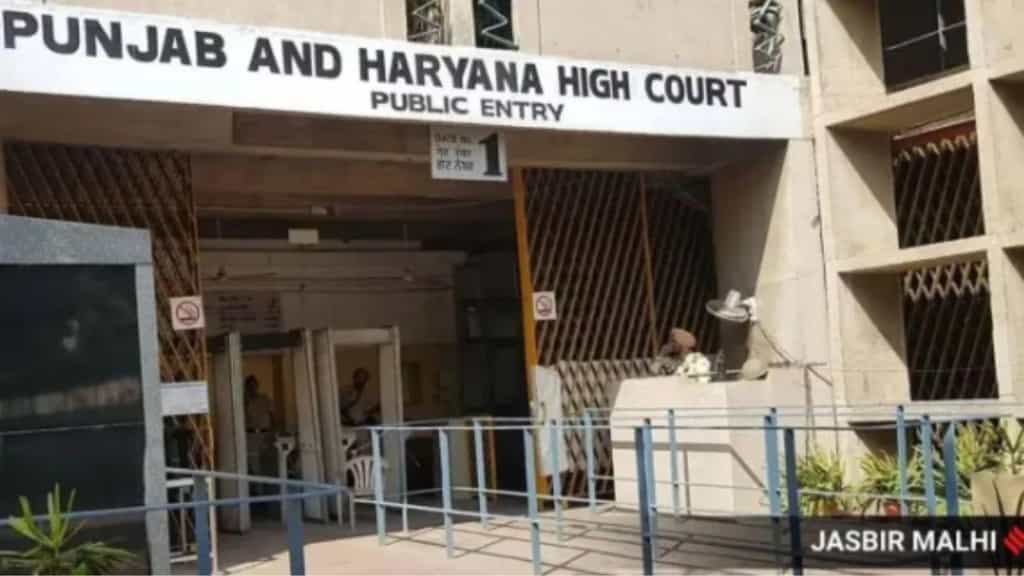
The Punjab and Haryana High Court on Wednesday declined to grant bail to Sukhdev Singh, an accused in a case related to the January 2023 murder of Paramjit Singh, in which provisions of the Unlawful Activities (Prevention) Act have been invoked, holding that the gravity of the offence outweighed the prejudice caused by prolonged pre-trial custody.
A division bench of Chief Justice Sheel Nagu and Justice Sanjiv Berry dismissed the bail plea for the time being, observing that some of the main prosecution witnesses should be examined before the request for bail could be reconsidered.
Sukhdev Singh has been in custody since January 7, 2023. The chargesheet was filed on May 3, 2023, and charges were framed on February 10, 2025. However, not a single prosecution witness has been examined so far. The trial is now fixed for the examination of the first prosecution witness on January 21. The prosecution has cited 42 witnesses, including 27 official witnesses.
During the hearing, counsel for the petitioner argued that Singh had clean antecedents and was implicated on mere suspicion arising from a family dispute. It was submitted that the original FIR, registered on January 4, 2023, under Indian Penal Code (IPC) sections 302 (murder) and 34 (act with common intention), along with provisions of the Arms Act, did not name Singh and that the UAPA provisions were added subsequently without any material showing his association with a terrorist organisation.
According to the prosecution, the crime stemmed from a family dispute arising out of a proposed marriage between Sukhdev Singh’s son Dilpreet and the niece of Paramjit Singh, the murder victim. The proposal led to tensions between the two families and, following the breakdown of relations, Dilpreet allegedly died by suicide, resulting in a separate FIR under IPC section 306 (abetment of suicide).
The prosecution claims that the family of Sukhdev Singh held Paramjit Singh and his relatives responsible for the suicide and, driven by this grievance, conspired to take revenge. It is alleged that Sukhdev Singh’s other son, Lovepreet, who resides in Australia, contacted Arsh Dalla, a designated terrorist, who then arranged the shooting of Paramjit Singh and later claimed responsibility for the killing on social media.
The defence contended that the allegation against Sukhdev Singh rested primarily on two statements claiming that he was overheard speaking to Lovepreet about arranging money and seeking revenge. The counsel argued that there was no direct evidence, no recovery, no call detail records, and no proof of any financial transaction linking Sukhdev Singh with the alleged shooters or with Arsh Dalla.
Opposing the bail plea, the state argued that the murder was the result of a conspiracy involving overseas handlers. The prosecution submitted that Lovepreet had contacted Arsh Dalla to eliminate Paramjit Singh and that Sukhdev Singh’s role emerged through witness statements indicating that he remained in contact with his son and with persons connected to Arsh Dalla and that money was arranged for the execution of the crime. It was further argued that UAPA provisions were invoked after Arsh Dalla was designated as a terrorist by the Government of India in 2023.
After hearing both sides, the bench noted that Sukhdev Singh’s implication, made on January 5, 2023, a day after the FIR was lodged, was based primarily on statements of the complainant, Jagroop Singh, the brother of Paramjit Singh, and another witness who claimed to have overheard incriminating conversations.
The court observed that the authenticity and veracity of these statements would be tested during the trial. “Though some prejudice has been caused to the petitioner due to prolonged pre-trial and under-trial custody, the same gets outweighed by the gravity of the offence,” the bench held, adding that it would be appropriate for some of the main witnesses to be examined before considering bail.
Editorial Context & Insight
Original analysis and synthesis with multi-source verification
Methodology
This article includes original analysis and synthesis from our editorial team, cross-referenced with multiple primary sources to ensure depth, accuracy, and balanced perspective. All claims are fact-checked and verified before publication.
Primary Source
Verified Source
The Indian Express
Editorial Team
Senior Editor
Aisha Patel
Specializes in India coverage
Quality Assurance
Senior Reviewer
Fact-checking and editorial standards compliance