Key takeaways
- Earlier this summer, nearly 160,000 applicants took the entrance exam for UNAM, Mexico’s largest university.
- 5 percent of test takers scored 100 or more on the 120-question UNAM test.
- The group was given the unwieldy name “la Comisión Técnica de Personas Expertas para la Revisión del Proceso de Selección de Ingreso a…
What happened
Earlier this summer, nearly 160,000 applicants took the entrance exam for UNAM, Mexico’s largest university. For the first time, they did it completely remotely, using a “lockdown” browser and AI-powered webcam proctoring software, over several weeks from late May through early June. When exam results came in, they bore little resemblance to past results, especially at the top.
” Because this year’s exam was administered remotely, applicants had to install and use security products that tried to protect testing integrity. A report in El País said that the test required the LockDown Browser from Respondus. According to the company, once an exam begins in this browser, students are “unable to print, copy, go to other web addresses, or access other applications on the computer.
Web searches, instant messaging, minimizing the browser, and hundreds of other functions are also prevented. ” UNAM also used a proctoring system from Territorium that monitored each test-taker’s webcam with AI algorithms. The system watched for signs that another person had taken the applicant’s place in front of the computer, or for the use of cell phones or earphones, or even for the applicant leaving the frame.
Why it matters
5 percent of test takers scored 100 or more on the 120-question UNAM test. 3 percent did so. The story was even worse at the highest of the high end. 5 percent did so. The surge in top scores led to accusations of widespread cheating, and UNAM appointed a commission of experts to investigate the situation.
The group was given the unwieldy name “la Comisión Técnica de Personas Expertas para la Revisión del Proceso de Selección de Ingreso a Licenciatura para el Ciclo Escolar 2026-2027/1,” and it has just submitted its recommendations. The commission believes that the best path forward, given all the concerns, is to administer a “control exam”—that is, applicants will have to sit for another test, and they will do so in person.
This control exam will apply not only to those who secured a spot at UNAM based on this year’s test but also to everyone who would have been admitted based on minimum successful scores in their program of study since 2021. About 58,000 people could be affected, and places at UNAM will now depend on the results of the new test.
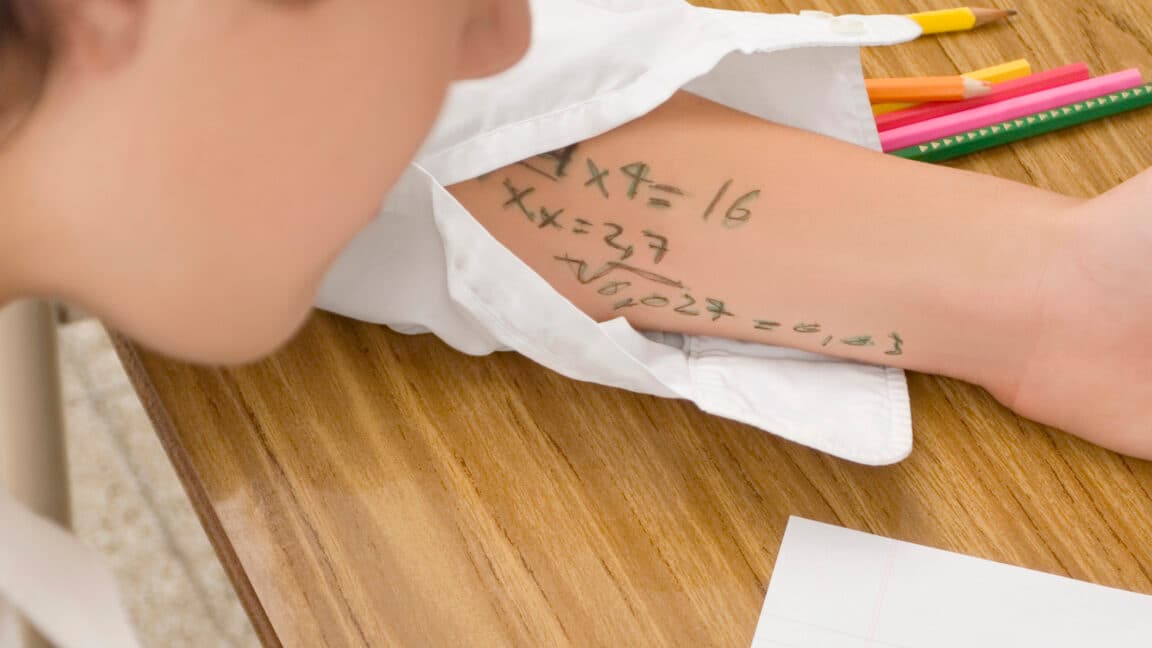
It is also possible that students relied on cheat sheets, leaked questions, and other traditional cheating methods. A New York Times report last week on the cheating scandal noted that “cheating tips were circulating widely before the tests went live this spring. Online accounts advised students to position monitors outside the web-camera frame where they could access ChatGPT or other AI models.
What to watch
The test also had one human supervisor for every 150 applicants; supervisors received alerts from the system and could notify UNAM officials about irregularities. These measures do not seem to have worked well. ) Even UNAM has acknowledged “the probability that a significant number of applicants may have received help” on the test.
” Now, almost 58,000 applicants will have to try again in an official exam room, watched by a human proctor.