Emphasising that “America is sick,” the new 2025-2030 Dietary Guidelines for Americans stated that “50 per cent of Americans have prediabetes or diabetes.” To mitigate the effects, the guideline has introduced “the new pyramid,” which calls out “the dangers of highly processed foods” and is “rebuilding a broken system from the ground up with gold-standard science and common sense. Now, the emphasis is on a wholesome diet.
According to the guideline, 75 per cent of adults report having at least one chronic condition. The blame? “Many of these illnesses are not genetic destiny; they are the predictable result of the Standard American Diet—a diet which, over time, has become reliant on highly processed foods and coupled with a sedentary lifestyle,” stated the recently published US federal nutrition policy.
The guideline talks about a “new pyramid” that emphasises good-quality protein, dairy, whole grains, and fats. “Our nation is finding its footing again, moving past decades of unhealthy eating and rebuilding a food culture rooted in health, science, transparency, and personal responsibility,” it stated.
The guideline noted that “to make America healthy again, we must return to the basics.” “American households must prioritise diets built on whole, nutrient-dense foods—protein, dairy, vegetables, fruits, healthy fats, and whole grains. Paired with a dramatic reduction in highly processed foods laden with refined carbohydrates, added sugars, excess sodium, unhealthy fats, and chemical additives, this approach can change the health trajectory for so many Americans.”
Welcoming the guideline, the American Heart Association (AHA) said this move aligns closely with the “longstanding dietary guidance of the AHA and other public health authorities.
“We see an important opportunity to educate consumers about the scientific basis for certain recommendations. For example, we are concerned that recommendations regarding salt seasoning and red meat consumption could inadvertently lead consumers to exceed recommended limits for sodium and saturated fats, which are primary drivers of cardiovascular disease. While the guidelines highlight whole-fat dairy, the Heart Association encourages consumption of low-fat and fat-free dairy products, which can be beneficial to heart health.”
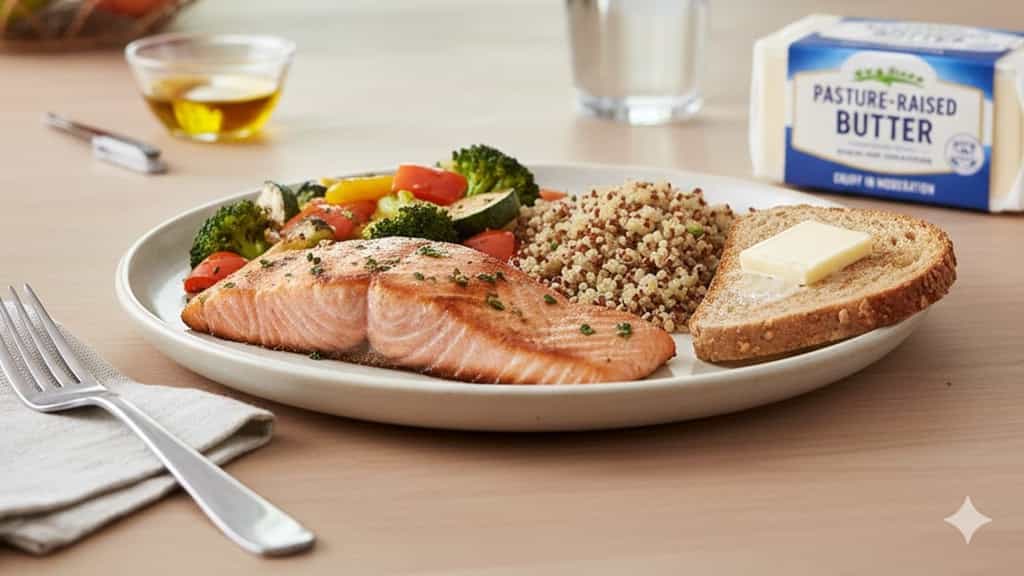
Notably, the guideline includes butter as a cooking fat, in addition to olive oil, while the previous guidelines recommended vegetable oils for cooking over butter in favour of heart health. “Healthy fats are plentiful in many whole foods, such as meats, poultry, eggs, omega-3–rich seafood, nuts, seeds, full-fat dairy, olives, and avocados. When cooking with or adding fats to meals, prioritise oils with essential fatty acids, such as olive oil. Other options can include butter or beef tallow,” the guideline stated.
As such, we asked an expert how we should interpret cooking with butter on an everyday basis.
Dr Parin Sangoi, a consultant interventional cardiologist at Wockhardt Hospitals, Mumbai Central, said that from a heart health perspective, this does not mean butter is now ‘good’ for the heart. “The guideline change recognises that small amounts can fit into a balanced diet, but butter is still high in saturated fat. This type of fat raises LDL or ‘bad’ cholesterol, which is a significant risk factor for heart disease,” said Dr Sangoi.
Here’s what you should consider (Photo: Getty Images/Thinkstock)
Does butter directly increase the risk of heart attacks?
Dr Sangoi emphasised that butter doesn’t cause a heart attack right away. “The risk builds up over time. Regular consumption of saturated fats raises LDL cholesterol, which contributes to plaque buildup in the arteries. Over time, this can narrow blood vessels and increase the risk of heart attacks and strokes, especially in people with existing risk factors.”
Many people assume butter is safer because it is natural. Is that true?
Not necessarily, remarked Dr Sangoi. “While butter may be less processed than some refined oils, it is still high in saturated fat. For heart health, fats rich in unsaturated fatty acids, such as olive oil, mustard oil, and groundnut oil, have consistently shown better results.”
Is it safe to consume butter occasionally?
Dr Sangoi affirmed that eating butter occasionally in small amounts is unlikely to harm a healthy person. “The problem arises when butter becomes the main cooking fat. Frequent use, particularly among those who are sedentary or have diabetes, high cholesterol, or high blood pressure, can raise long-term cardiovascular risk.”
Indian diets already include a variety of fats. “The focus should be on moderation and balance. Plant-based oils should be the main choice for everyday cooking. Butter and ghee are best used as flavour enhancers rather than daily staples. Portion size is as important as the type of fat used,” emphasised Dr Sangoi.
Heart disease is influenced by daily choices made over the years. “Using unsaturated fats most of the time, staying active, and limiting saturated fats like butter to occasional use can significantly help protect cardiovascular health,” said Dr Sangoi.
DISCLAIMER: This article is based on information from the public domain and/or the experts we spoke to. Always consult your health practitioner before starting any routine.
Editorial Context & Insight
Original analysis & verification
Methodology
This article includes original analysis and synthesis from our editorial team, cross-referenced with primary sources to ensure depth and accuracy.
Primary Source
The Indian Express