The State Election Commission on Monday barred the Maharashtra government from releasing the January instalment of the 'Ladki Bahin' scheme in advance, citing the enforcement of the model code of conduct for municipal elections.
The SEC's clarification came after it received several complaints following media reports claiming that beneficiaries of the scheme would receive ₹3,000- covering the December and January instalments- in their bank accounts before January 14 as a Makar Sankranti gift.
BJP leader and minister Gitish Mahajan had claimed eligible beneficiaries of the Ladki Bahin scheme will receive a combined transfer of ₹3,000 for December and January in their bank accounts before Makar Sankranti.
The SEC had sent a letter to state Chief Secretary Rajesh Agarwal on Sunday, seeking clarification on the factual position following media reports and whether the government intended to release two months' instalments together just ahead of the polls, with a response sought on Monday.
The Chief Secretary stated that the SEC had issued consolidated instructions on November 4, 2025, regarding the model code of conduct for local body elections.
The SEC has clarified that the regular or pending instalments under the "Mukhyamantri Mazi Ladki Bahin Yojana" scheme may be disbursed, the commission has made it clear that no advance payment will be allowed during the model code period, according to a statement.
As per these guidelines, development works and welfare schemes that had already commenced before the announcement of elections may continue during the code period.
The Mukhyamantri Majhi Ladki Bahin Yojana is a flagship scheme of the state government under which eligible women beneficiaries get a monthly assistance of ₹1,500. The scheme is widely credited with helping the Mahayuti secure victory in the 2024 state assembly elections.
The controversy erupted after Gitish Mahajan claimed eligible beneficiaries of the Ladki Bahin scheme will receive a combined transfer of ₹3,000 for December and January in their bank accounts before Makar Sankranti, which falls on January 14, terming it a "special gift" from CM Devendra Fadnavis.
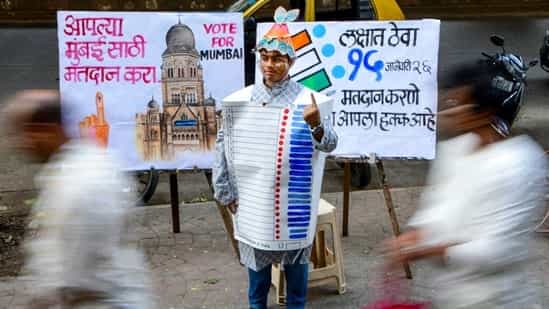
The Opposition had termed the announcement a bid to influence voters ahead of the January 15 polls to 29 municipal corporations.
State Congress leader and advocate Sandesh Kondvilkar submitted a complaint to the SEC on Saturday, claiming the payment was proposed for January 14, a day before polling, and sought the poll body's intervention to stop the transfer.
Amid the controversy, CM Fadnavis has said the Ladki Bahin Yojana was a continuous scheme of the state government and did not fall under the restrictions of the election code of conduct.
Maharashtra Congress president Harshwardhan Sapkal, however, said his party was not opposed to the scheme, but objected to the release of two months' assistance on the eve of voting, calling it a clear violation of the model code of conduct.
The state Congress on Monday slammed the Mahayuti government, claiming the ruling party leaders were "selfish brothers" who expect votes as a "return gift" from the women beneficiaries.
"These selfish brothers have no emotion. They stopped the instalment for two months and disbursed the amount during the election campaign. They seek something in return. The sisters should show these selfish brothers their place as they expect a return gift in the form of votes," state Congress spokesperson Sachin Sawant told reporters.
The instalment is paid from taxpayers' money and is not the private property of those in power, he pointed out.
Editorial Context & Insight
Original analysis and synthesis with multi-source verification
Methodology
This article includes original analysis and synthesis from our editorial team, cross-referenced with multiple primary sources to ensure depth, accuracy, and balanced perspective. All claims are fact-checked and verified before publication.
Editorial Team
Senior Editor
Aisha Patel
Specializes in India coverage
Quality Assurance
Associate Editor
Fact-checking and editorial standards compliance