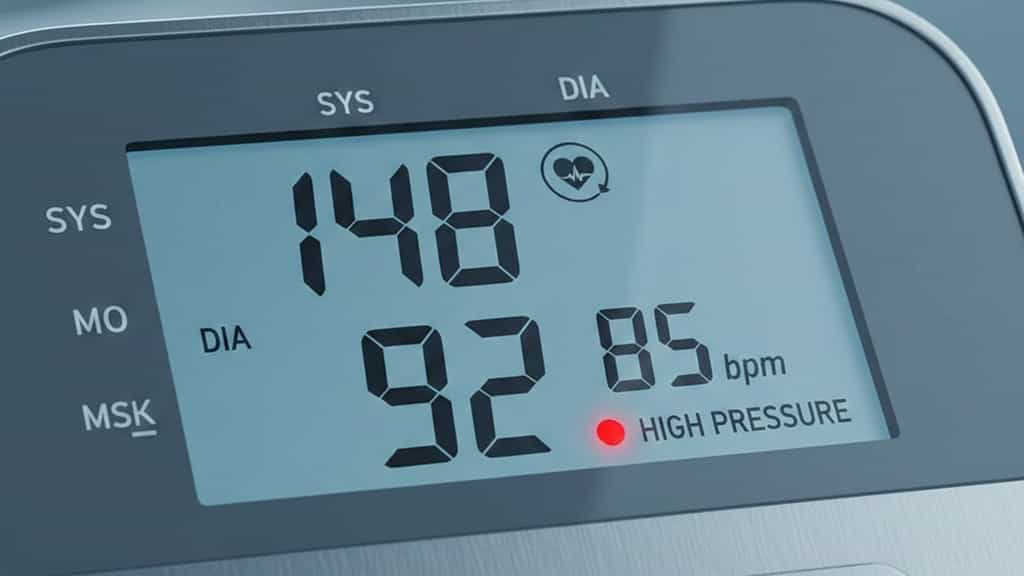
High blood pressure, or hypertension, is one of the most common chronic health conditions worldwide. It occurs when the force with which blood pushes against the walls of the arteries is consistently too high, making it harder for the heart to pump blood efficiently throughout the body. But despite widespread use of blood pressure drugs, questions persist about why heart attacks, strokes, and cardiovascular deaths continue to occur even among those whose readings appear controlled.
Addressing this concern, Dr Jack Wolfson, a cardiologist from Arizona, US, took to Instagram to share a perspective that challenges how hypertension is commonly treated. According to him, blood pressure drugs “do not work.”
Dr Wolfson explained that medications may reduce readings on a monitor but fail to address what is driving the condition in the first place. “Do not address the root cause of why you have high blood pressure,” he said, adding that while pharmaceuticals may lower blood pressure numbers, they often fail to reduce the risk of heart attack, stroke, and mortality.
To illustrate his point, he offered a simple analogy: “It’s like if I took a hammer and was hammering your toe, you wouldn’t ask for pain pills, and you wouldn’t ask for narcotics, and you wouldn’t ask for anything else to stop the pain. You would say ‘Stop hammering my toe.’” In the same way, he stressed, it is important to stop what is causing high blood pressure rather than only suppressing the symptom.
In the caption of his post, Dr Wolfson stated that high blood pressure is not the problem itself but a warning sign—the body’s way of signalling that “something is off.” He pointed to possible contributors such as stress, inflammation, blood vessel dysfunction, nutrient depletion, toxins, or poor signalling, noting that “Chasing numbers with drugs ignores why your blood pressure is high in the first place.”
Dr Jagadish Hiremath, Public Health Intellectual, tells indianexpress.com, “In otherwise healthy adults, the most common underlying drivers include chronic stress and poor sleep, which keep the nervous system in a constant fight-or-flight state. This leads to persistent constriction of blood vessels. Metabolic factors such as insulin resistance, excess visceral fat, and early inflammation of the blood vessel lining also play a major role, even before diabetes or obesity are diagnosed.”
He adds that high salt intake combined with low potassium consumption, physical inactivity, and long hours of sedentary work further worsen vascular stiffness. In many cases, hypertension reflects impaired blood vessel flexibility and hormonal imbalance rather than a standalone disease.
Blood pressure numbers must always be interpreted in context. Dr Hiremath notes that medications are clearly necessary when blood pressure is persistently high, especially in people with diabetes, kidney disease, prior heart events, or evidence of organ damage. However, in early or borderline hypertension, drugs should not be the only strategy.
Lifestyle-based interventions addressing weight, diet, sleep, stress, and physical activity can significantly improve vascular health and, in some cases, reduce the need for medication. “The decision should be individualised, balancing immediate risk with long-term prevention. Drug control pressure, but lifestyle changes correct the biological processes that caused it in the first place. The most effective approach is often a combination, rather than an either-or choice,” stresses Dr Hiremath.
DISCLAIMER: This article is based on information from the public domain and/or the experts we spoke to. Always consult your health practitioner before starting any routine.
Editorial Context & Insight
Original analysis & verification
Methodology
This article includes original analysis and synthesis from our editorial team, cross-referenced with primary sources to ensure depth and accuracy.
Primary Source
The Indian Express