What is the biggest challenge in female cricketers’ nutrition?
Statistics and surveys of the Indian Council of Medical Research (ICMR) and the National Institute of Nutrition show that between 44% to 69% of adolescent girls in India are anemic. In some regions, it’s exceeding 70%. Micronutrient deficiencies including vitamin B12, calcium, magnesium, and vitamin D further compromise these young athletes.
Why is nutrition an urgent matter?
Girls often receive less food and lower-quality nourishment compared to boys, especially when it comes to essential protein and calorie intake. Many girls under fifteen do not undergo routine blood tests— for hemoglobin, ferritin, and iron binding protein—that detect deficiencies. So, they may enter their sporting years at a physiological disadvantage. Iron deficiency impairs oxygen delivery, causing fatigue, slow recovery, and frequent illness. Many families discourage girls from playing in the sun due to idealized notions of fair skin, impacting vitamin D synthesis.
How does this impact the game?
Around five percent of adolescent girls in India are stunted, and more than fifty percent suffer from micronutrient deficiencies, which are vital for bone, brain, and muscular health. The resultant delayed puberty, menstrual disturbances, and thyroid issues, are detrimental to sports performance.
How urgent is the anaemia problem?
Anaemia remains a persistent and damaging issue in Indian sport. More than half of all Indian women and children are anaemic according to the latest National Family Health Survey (NFHS-5). Among young adolescent girls (12-14), rates can be almost seventy percent. However, iron deficiency is responsible for only about one-third of cases; B12 deficiency, folate, zinc, chronic infections, and other factors are also important. Anaemia leads to fatigue, slowed recovery, frequent infections, cognitive difficulty, and sleep disturbance. Combating anaemia requires food fortification, and comprehensive supplementation regimes.
What dietary changes have you noticed among elite athletes?
Diets rich in lean protein, healthy fats, whole grains, fruits, and vegetables are becoming standard. However, only about one-fifth of rural adolescent girls currently have adequate levels of all key micronutrients, and continuing education and action are essential.
What’s your advice to upcoming cricketers?
Prioritize balanced, nutrient-rich diets from childhood. Seek regular blood screening, avoid crash diets, and embrace importance of iron, calcium, protein, B12, and hydration. Science-driven nutrition is no longer a luxury in women’s cricket; it is the foundation of health and sporting achievement.
Indian women cricketers are proof that, with targeted intervention and education, nutrition can transform game performance.
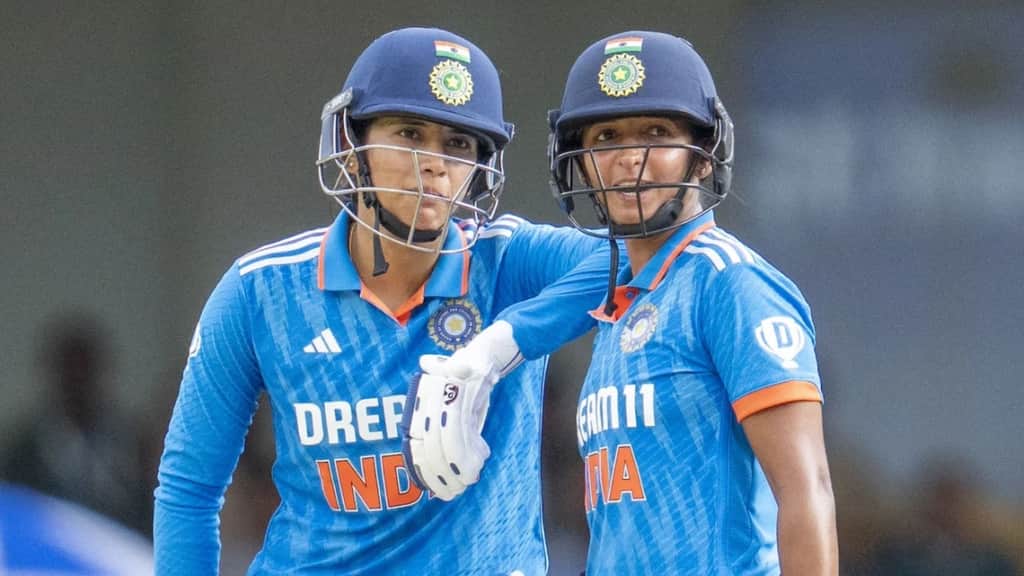
Anaemia remains a persistent and damaging issue in Indian sport, according to one of the country's top sports nutritionists, Ryan Fernando. (BCCI)
Editorial Context & Insight
Original analysis & verification
Methodology
This article includes original analysis and synthesis from our editorial team, cross-referenced with primary sources to ensure depth and accuracy.
Primary Source
The Indian Express