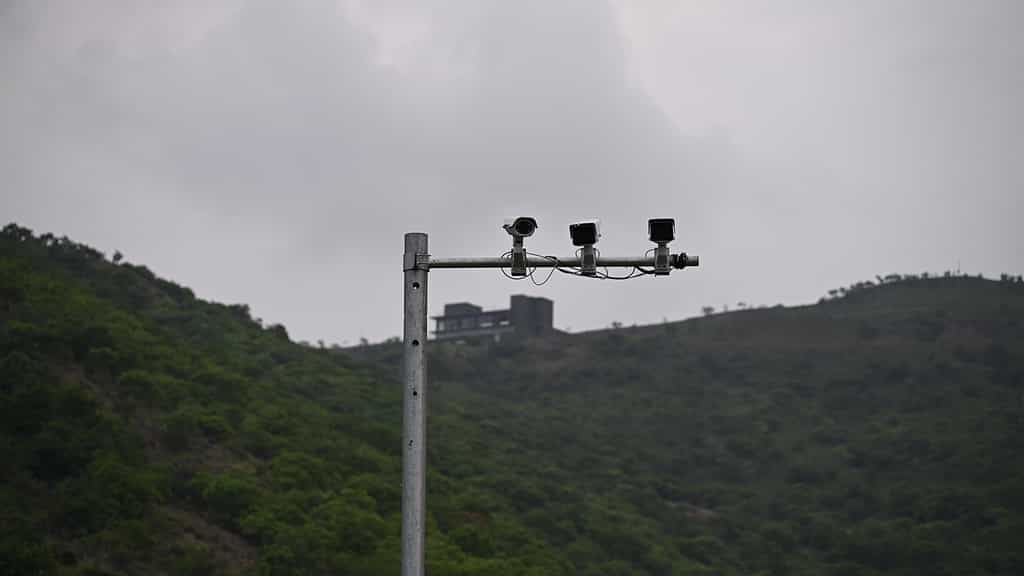
With plans to expand the use of CCTV surveillance, automatic number plate recognition (ANPR) cameras and other smart policing tools to deter street crime and support swifter investigations, the Chandigarh Police has identified a series of priority areas and future plans for 2026.
Police officials said that at the core of the roadmap is a push for a higher conviction rate under the new criminal laws, including the Bharatiya Nyaya Sanhita (BNS), Bharatiya Nagarik Suraksha Sanhita (BNSS) and Bharatiya Sakshya Adhiniyam (BSA).
Police said investigations under the new legal framework will be focused, time-bound and supervised by senior officers to ensure quality, legal compliance and timely filing of chargesheets.
Officials said capacity building of investigating officers will be prioritised through specialised training on the new legal provisions, evidence handling and court procedures. Close coordination with the prosecution will also be ensured to strengthen case preparation and improve trial outcomes.
Another major focus area for 2026 is strengthening anti-drug enforcement in the union Territory. Police have reiterated a zero-tolerance policy against drug trafficking, peddling and substance abuse. The plan includes intensified intelligence-based operations to identify and dismantle drug supply chains, strict action against repeat offenders and organised drug syndicates, and enhanced coordination with neighbouring states and central agencies to curb inter-state drug networks.
Alongside enforcement, police officials said greater emphasis will be placed on preventive measures, including awareness programmes and rehabilitation support, in coordination with other government departments.
The Chandigarh Police has also outlined plans to step up action against habitual offenders and organised crime groups, which will involve identification and continuous surveillance of repeat offenders, preventive action under relevant legal provisions, and regular review of criminal dossiers and history sheets.
SSP Kanwardeep Kaur said technology and data analytics will increasingly be used to track criminal movements, monitor patterns and anticipate potential threats.
To address concerns related to snatching, theft, burglary and robbery, the police plan to strengthen beat policing and enhance visible police presence in vulnerable and high-footfall areas. Targeted patrols will be deployed based on crime mapping and analysis.
Greater use of CCTV surveillance, ANPR cameras and other smart policing tools have also been planned to deter street crime and assist in swift identification of suspects during investigations.
Reducing response time remains a key operational priority for 2026, added the SSP.
The police said they will optimise PCR operations, improve deployment strategies and leverage technology for real-time monitoring and faster dispatch of resources.
Regular assessment of response time data will be carried out to identify gaps and take corrective measures, while coordination between PCR units, local police stations and specialised wings will be strengthened to ensure quicker reach to incident sites.
The Chandigarh Police also plans to increase adoption of e-governance platforms, digital investigation tools and data-driven policing, along with effective use of national portals and databases such as CCTNS, ICJS, NAFIS and CEIR.
Officials said emphasis will also be laid on professional conduct, accountability and integrity at all levels. Regular training and sensitisation programmes will be conducted, and welfare measures for police personnel will be strengthened to ensure motivated and efficient policing.
Editorial Context & Insight
Original analysis & verification
Methodology
This article includes original analysis and synthesis from our editorial team, cross-referenced with primary sources to ensure depth and accuracy.
Primary Source
The Indian Express