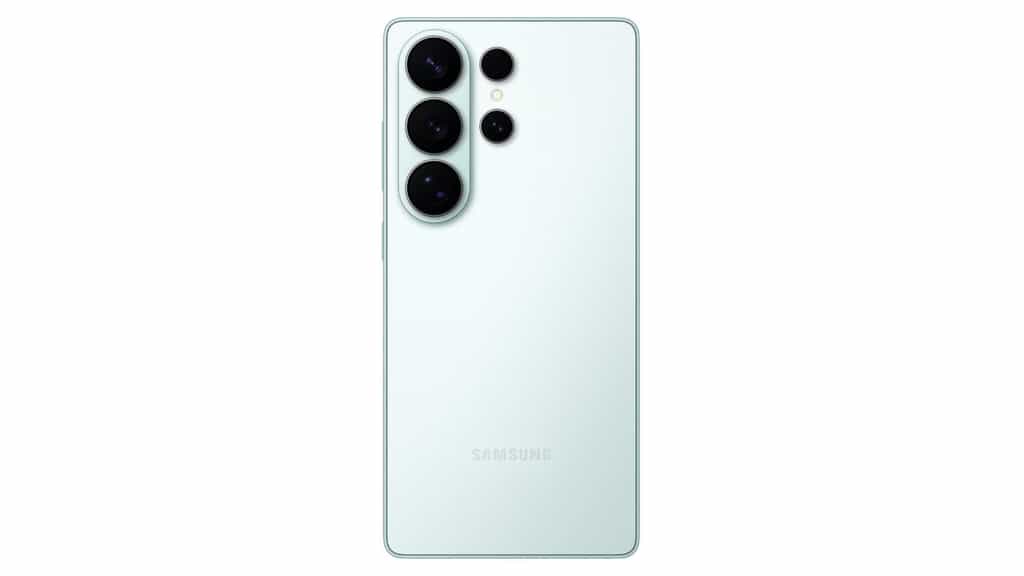
If adjustments are made, the Galaxy S26 Ultra could see elevated prices in key markets; however, if competitors adopt similar strategies, overall demand might remain stable, although Samsung's marketing strategies could suffer. (Image: X/ Ice Universe)
Samsung’s upcoming Galaxy S26 Ultra is beginning to settle into a clearer timeline, with new details pointing to a later launch than last year’s model and growing signs that pricing may edge upward. While Samsung has yet to publicly confirm its plans, recent industry developments suggest the company is finalising key decisions as it prepares its next flagship for release.
Reliable industry tipster Evan Blass announced on X that Samsung will host its Galaxy S26 Unpacked event on February 25, quoting Ice Universe, another leaker. This marks a departure from the previous launches that were in early February. The revised schedule would place the unveiling of the Galaxy S26 lineup firmly towards the end of the month.
Although Samsung has not confirmed when the devices will go on sale, past launch patterns provide a strong hint. The company typically opens sales around two weeks after its Unpacked events. If that cadence holds, the Galaxy S26 Ultra could reach retail shelves in mid-March. A Friday release around that period would also align with Samsung’s long-standing preference for end-of-week flagship launches.
Ice Universe has indicated that the Galaxy S26 series is expected to be available in “early March”. Historically, Samsung’s launches occur 14 to 16 days post-Unpacked event, so the unveiling on February 25 could suggest a retail release around March 13.
Pricing is still more ambiguous and possibly controversial, even though the release schedule seems to be mostly set. Samsung’s pricing strategy for the Galaxy S26 Ultra has been impacted by the global shortage of memory chips caused by the sharp increase in demand for these chips.
According to some reports, Samsung may maintain prices comparable to the Galaxy S25 series despite facing higher costs elsewhere, while other reports point to possible price increases for each model. If adjustments are made, the Galaxy S26 Ultra could see elevated prices in key markets; however, if competitors adopt similar strategies, overall demand might remain stable, although Samsung’s marketing strategies could suffer.
To stimulate initial sales, Samsung has historically implemented effective launch promotions, including pre-order packages with free storage upgrades and attractive trade-in offers. However, the persistent memory supply limitations pose a threat to these tactics, with reports indicating that the once-popular double-storage pre-order offer may be scaled back or eliminated.
This problem is a part of a broader trend where memory production capacity has been concentrated in data centres due to advances in AI technology, which has reduced availability for consumer electronics. Manufacturers of smartphones are now thinking about how rising production costs will affect demand in the future.
Editorial Context & Insight
Original analysis & verification
Methodology
This article includes original analysis and synthesis from our editorial team, cross-referenced with primary sources to ensure depth and accuracy.
Primary Source
The Indian Express