


Key takeaways
- On November 2, 2022, I attended a Google AI event in New York City.
- Governments could demand manipulation to censor unwelcome facts and promote propaganda.
- This Wednesday, the Trump administration released its AI manifesto, a far-ranging action plan for one of the most vital issues facing the…
What happened
On November 2, 2022, I attended a Google AI event in New York City. One of the themes was responsible AI. As I listened to executives talk about how they aligned their technology with human values, I realized that the malleability of AI models was a double-edged sword. Models could be tweaked to, say, minimize biases, but also to enforce a specific point of view.
Governments could demand manipulation to censor unwelcome facts and promote propaganda. I envisioned this as something that an authoritarian regime like China might employ. In the United States, of course, the Constitution would prevent the government from messing with the outputs of AI models created by private companies.
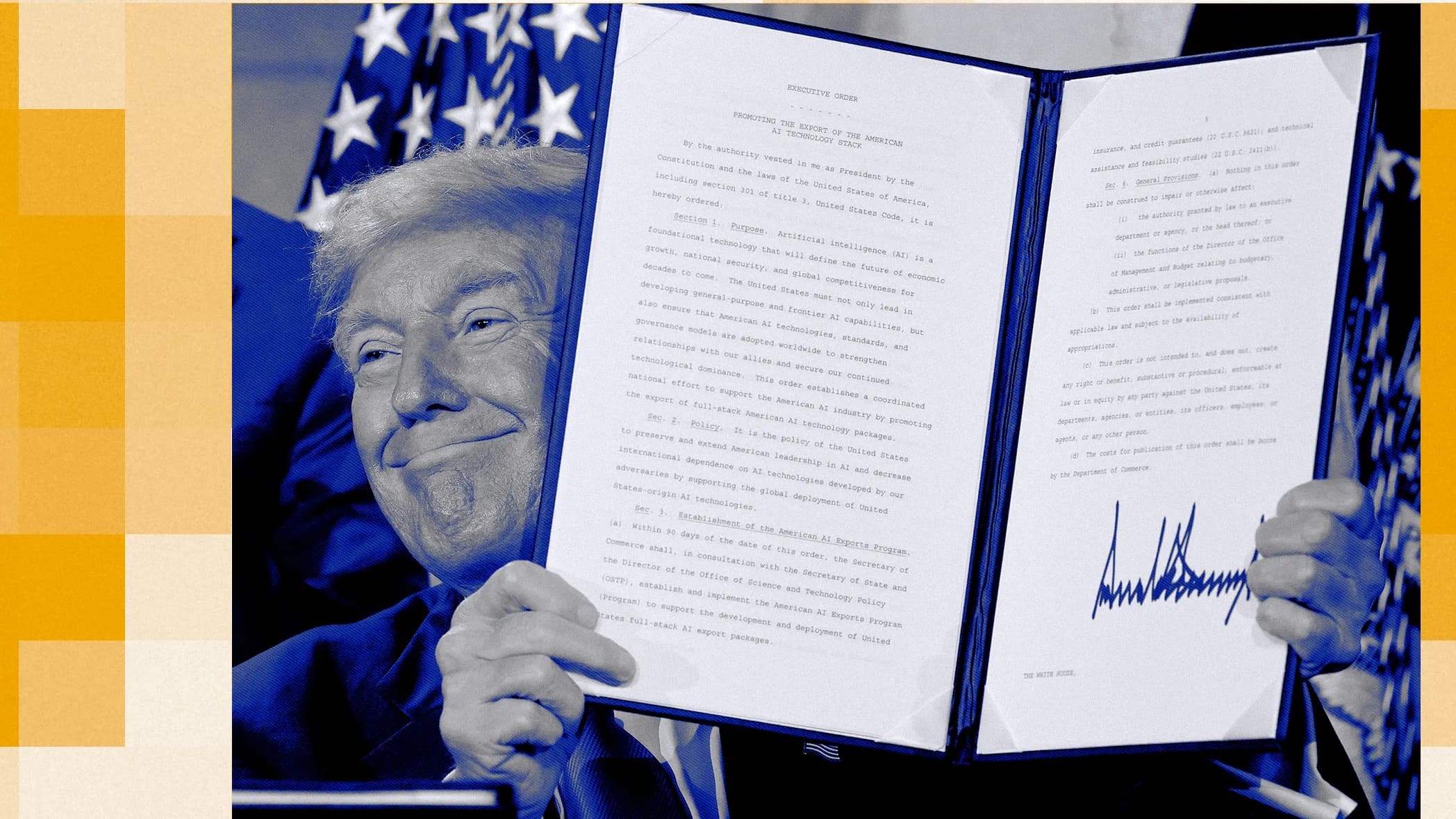
This Wednesday, the Trump administration released its AI manifesto, a far-ranging action plan for one of the most vital issues facing the country—and even humanity. The plan generally focuses on besting China in the race for AI supremacy. But one part of it seems more in sync with China’s playbook.
In the name of truth, the US government now wants AI models to adhere to Donald Trump’s definition of that word. You won’t find that intent plainly stated in the 28-page plan. S. government policy does not interfere with that objective. ” That’s all fine until the last sentence, which raises the question—truth according to whom? And what exactly is a “social engineering agenda”?
In a speech touting the plan in Washington on Wednesday, Trump explained the logic behind the directive: “The American people do not want woke Marxist lunacy in the AI models,” he said.
” Since all the big AI companies are courting government contracts, the order appears to be a backdoor effort to ensure that LLMs in general show fealty to the White House’s interpretation of history, sexual identity, and other hot-button issues.
In case there’s any doubt about what the government regards as a violation, the order spends several paragraphs demonizing AI that supports diversity, calls out racial bias, or values gender equality. Pogo alert—Trump’s executive order banning top-down ideological bias is a blatant exercise in top-down ideological bias. It’s up to the companies to determine how to handle these demands.
I spoke this week to an OpenAI engineer working on model behavior who told me that the company already strives for neutrality. In a technical sense, they said, meeting government standards like being anti-woke shouldn’t be a huge hurdle. But this isn’t a technical dispute: It’s a constitutional one.
If companies like Anthropic, OpenAI, or Google decide to try minimizing racial bias in their LLMs, or make a conscious choice to ensure the models’ responses reflect the dangers of climate change, the First Amendment presumably protects those decisions as exercising the “freedom of speech and expression” touted in the AI Action Plan. A government mandate denying government contracts to companies exercising that right is the essence of interference.
Why it matters
While the Biden administration mandated scrutiny of Big Tech, Trump’s plan is a big fat green light for the industry, which it regards as a partner in the national struggle to beat China. It allows the AI powers to essentially blow past environmental objections when constructing massive data centers.
What to watch
You might think that the companies building AI would fight back, citing their constitutional rights on this issue. But so far no Big Tech company has publicly objected to the Trump administration’s plan. Google celebrated the White House’s support of its pet issues, like boosting infrastructure.
Anthropic published a positive blog post about the plan, though it complained about the White House’s sudden seeming abandonment of strong export controls earlier this month. OpenAI says it is already close to achieving objectivity. Nothing about asserting their own freedom of expression. The reticence is understandable because, overall, the AI Action Plan is a bonanza for AI companies.