A clinical care software designed to record and evaluate progress for neurodivergent individuals undergoing therapies is being developed by Kolkata-based care institution, India Autism Centre, as part of their large-scale research into neurodevelopmental disorders like autism, attention deficit/hyperactivity disorder, etc.
The software will record basic profile information of an enrolled client, like age, program and support needs, their clinical details, therapy and learning activities, daily living skills like eating, mobility, and dressing, nutrition and meal intake, vocational and recreational activities, and any behavioural incidents.
According to the management of IAC, these details, recorded anonymously after prior explicit content, would assist healthcare professionals to observe an affected person’s progress towards their goals and help them and the families understand the efficacy of given interventions based on the client’s progress.
“Our clinical care software is one of the first of its kind in the country. We are trying to map the life cycle of the child end-to-end. Right from the time she/he enters the campus, their assessments, their goals, activities of daily living, and progress made will be mapped on the software. That will provide us invaluable data in terms of how the progression is happening, what works, what does not work, and how we can improve caregiving for neurodivergent persons,” CEO and director of IAC, Jaishankar Natarajan, told The Hindu.
He added that the software would work like a living digital diary for each individual, and that the data, collected after explicit consent, will be used only to improve care and support, “not for surveillance or control.
The software will be implemented primarily in IAC’s upcoming residential care facility for neurodivergent people who require specialised care.
“We will set up a large residential care campus called Samaavesh, which will start in November this year. We are also investing in research into conditions like autism, ADHD, learning disorders, dyslexia, cerebral palsy, etc., which are very under-researched in India. We also invested in training more and more people who can work as primary caregivers within the Samaavesh infrastructure or outside,” Mr. Natarajan said.
He added that the three will be connected at Samaavesh — the clients will receive care from staff trained by IAC, and their activities will help researchers collect valuable data on their progress and understand the efficacy of interventions being administered.
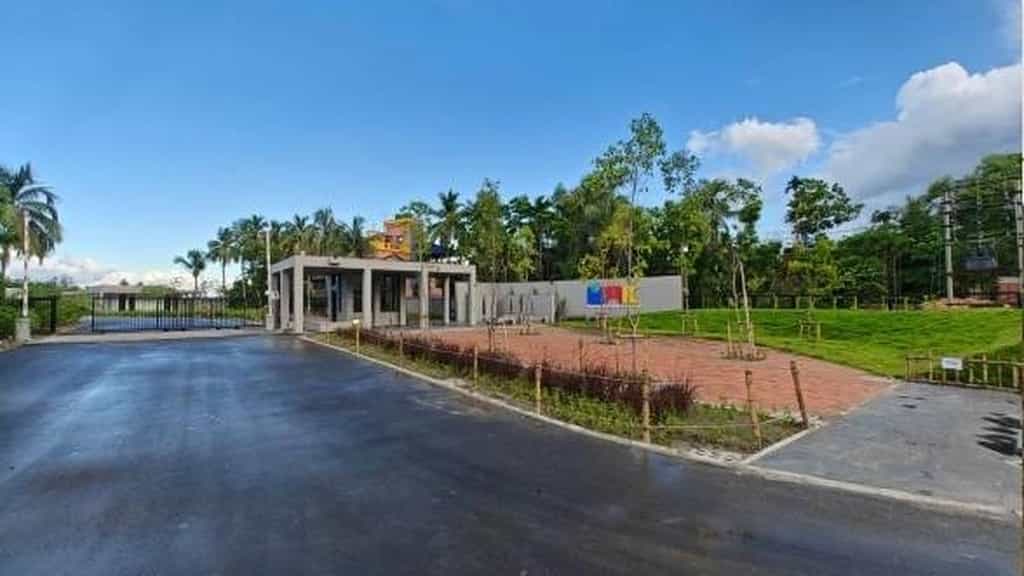
Samaavesh will span over around 50 acres in Joka and is expected to house over 600 neurodivergent individuals and their families seeking round-the-clock therapeutic and living support.
“We have taken inspiration from a similar model developed by Amar Seva Sangam, which delivers door-to-door care for disabled persons in villages in Tamil Nadu. Their team is also advising us on the software,” Mr. Natarajan said.
Editorial Context & Insight
Original analysis & verification
Methodology
This article includes original analysis and synthesis from our editorial team, cross-referenced with primary sources to ensure depth and accuracy.