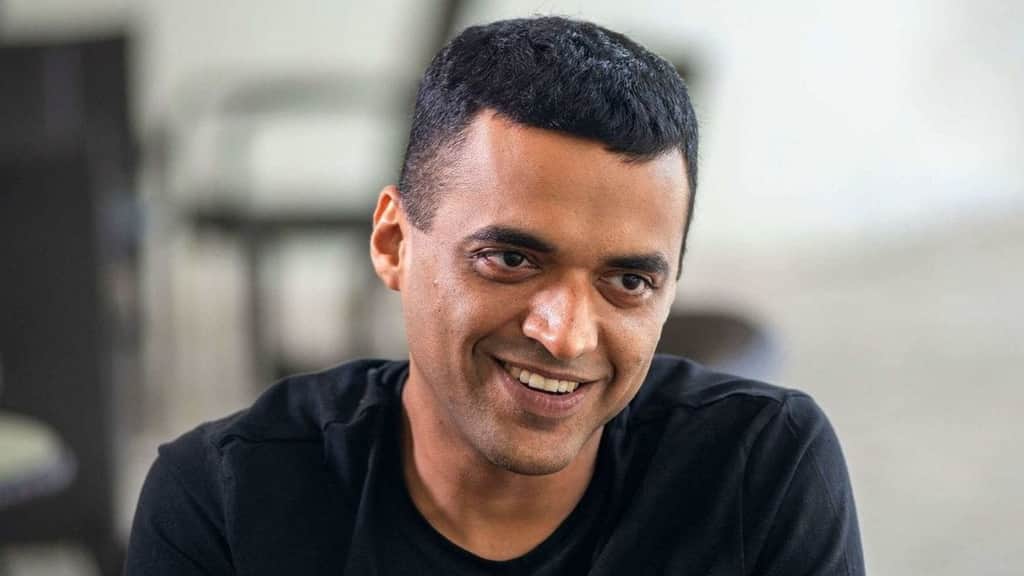
Zomato founder and CEO Deepinder Goyal recently shared his stance on the work-life balance debate. Speaking on Raj Shamani’s podcast Figuring Out, Goyal said that he expects senior leaders in his company to be invested in their work and not view it as a routine job.
He also stressed that startups cannot be built with a “9-to-5 mindset,” even if work hours are structured. “You have to be obsessive about building something. That’s the kind of obsession I want from my senior team,” Goyal said. “I don’t want them to think of this as a job. If the senior team thinks of this as a job, I’m out. They have to think about this as their own baby.”
Explaining what signals a lack of ownership, Goyal gave an example. If a critical bug is discovered at 6 pm on a Friday, waiting until Monday to address it reflects a job-like mentality, he said. Instead, someone who truly owns the problem would spend extra time fixing it immediately. “I would not go home on Friday at 6 pm. I would stay back and do the job,” Goyal said.
When asked how such expectations align with personal lives and commitments, Goyal said both can coexist. He clarified that employees do not need to handle everything themselves and can delegate urgent issues to someone available.
“And our team is good that way. We have each other’s backs. We don’t track anyone’s holidays. People can take as many leaves as they want. But that commitment to urgency has to be there,” he said.
Goyal further explained the distinction between working hours and mindset. “Startups don’t get built on a 9-to-5 attitude. They can be built on 9-to-5-hour clocks. But they can’t be built on a 9-to-5 attitude. They are different things.”
He added that companies can function within a weekday framework, but the mindset must remain flexible. “Monday to Friday works when it comes to hours. But a Monday-to-Friday mindset does not work for building a company,” he said.
Highlighting rare but critical situations, Goyal asked how employees would respond when urgency arises. “It could be just twice a year that something needs to be solved on Friday night. It doesn’t happen every day. But when that hits, what do you say? OK, I’m ready to lose 10,000 customers over the weekend, and I wouldn’t put in two hours. What choice are you going to make?”
Host Shamani noted that such expectations are sometimes labelled toxic, and that Goyal himself has been described as a demanding boss. “I don’t think people say that about me,” Goyal said. “I don’t think that’s the way people who work with me think about it,” adding that negative Reddit comments dated back to before 2013.
Reiterating his stance, Goyal said emergencies require collective effort. “If there is a bug that would delay customer orders by 15 minutes, I would put a night out and solve it. The whole company should put a night out.”
Shamani further asked whether it is fair to expect employees, who may not have the same ownership stake as founders, to make such sacrifices. Goyal responded by pointing to compensation and growth opportunities at Zomato. “We pay people a lot. We give them a lot of equity,” he said, adding, “If they show this kind of attitude, they grow faster as well. If they don’t, they stay where they are.”
Goyal said the choice ultimately lies with individuals. “I don’t judge people. It’s your choice… if you can manage your family, work-life balance, your peace, and also obsess.”
Concluding his remarks, he argued that intensity and well-being are not mutually exclusive. “Obsession can happen with peace. And those kinds of people who can manage and balance everything and still drive the right kind of outcomes still happen. They’re able to push for solving things overnight when they need to.”
Editorial Context & Insight
Original analysis & verification
Methodology
This article includes original analysis and synthesis from our editorial team, cross-referenced with primary sources to ensure depth and accuracy.
Primary Source
The Indian Express