The high court has issued notices to the respondent governments in the matter and set the next hearing for January 20, 2026.
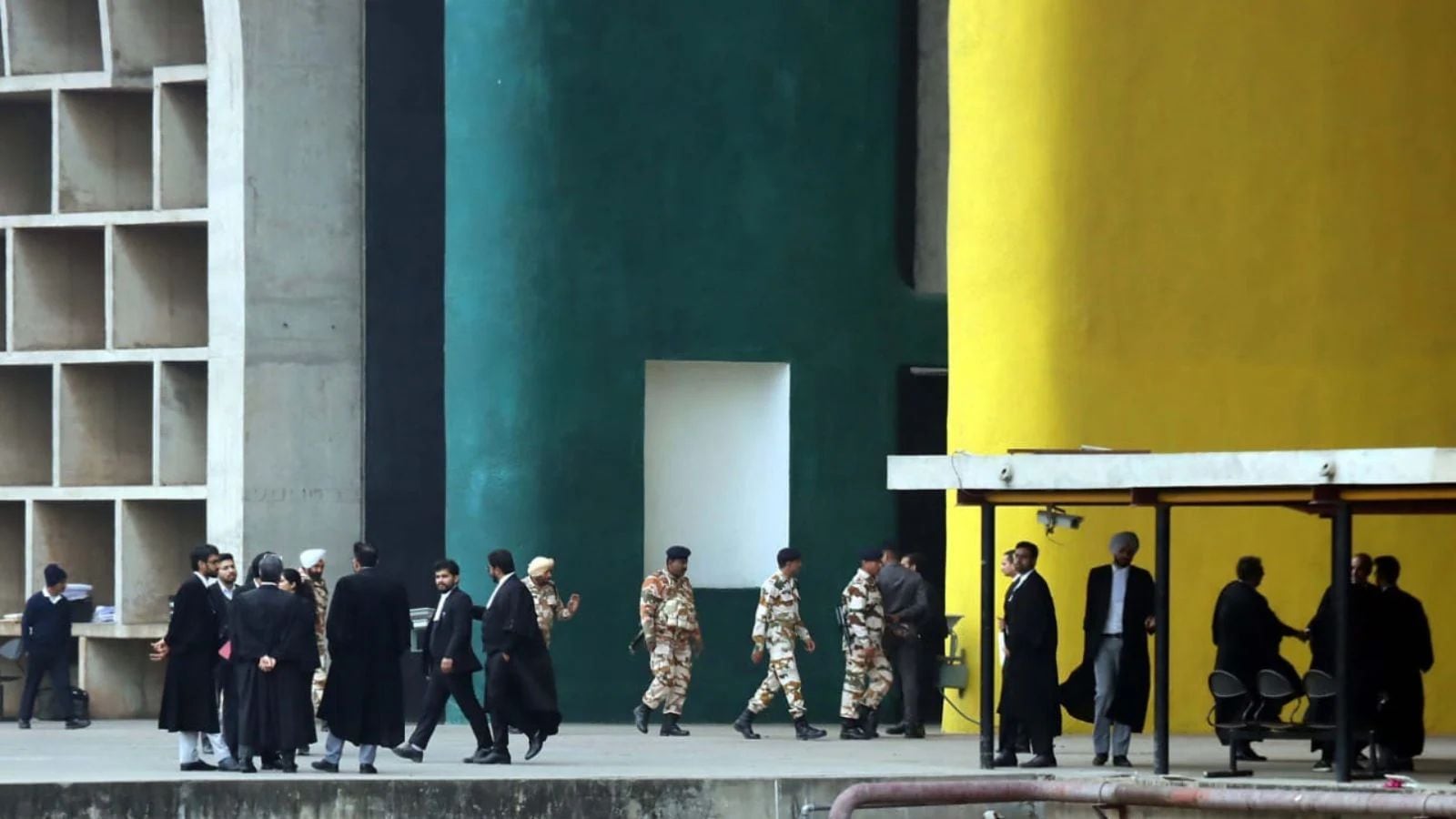
A Mohali resident has moved the Punjab and Haryana High Court, highlighting the ‘persistent and systemic delays’ by the Union Government as well as the Punjab and Haryana governments in clearing payments to hospitals empanelled under the Ayushman Bharat-Pradhan Mantri Jan Arogya Yojana (AB-PMJAY). The high court has issued notices to the respondent governments in the matter and set the next hearing for January 20, 2026.
The petitioner, Ram Kumar, while talking to The Indian Express, said the Ayushman Bharat Health Scheme was launched by the Union Government in 2018 to provide cashless medical treatment up to Rs 5 lakh per family per year. Under the scheme, healthcare costs are shared by the Centre and states in a 60:40 ratio, and empanelled hospitals are required to be reimbursed within 15 days, extendable to a maximum of 30 days, from the date of submission of claims.
He said that, however, in practice, hospitals across several states have complained that reimbursements are being delayed for months, leading to acute financial stress. These prolonged delays have compelled many hospitals to suspend or threaten suspension of treatment under the scheme, leaving patients stranded despite being eligible for free treatment.
Kumar said he took up the matter with the Union Government and the Governments of Punjab and Haryana, urging them to ensure timely payments in accordance with the policy. In their responses, the Punjab Government stated that payments are made on a ‘first-in, first-out’ basis, while the Haryana Government claimed that it had decided to clear payments within 30 days.
Despite these assurances, Kumar said, delays continued, prompting him to file a Public Interest Litigation (PIL) through his counsel Satish Bhardwaj.
Kumar said that it is hoped that with the intervention of the high court, governments will be compelled to streamline the reimbursement process, ensure financial stability for empanelled hospitals, and prevent future interruptions in treatment.