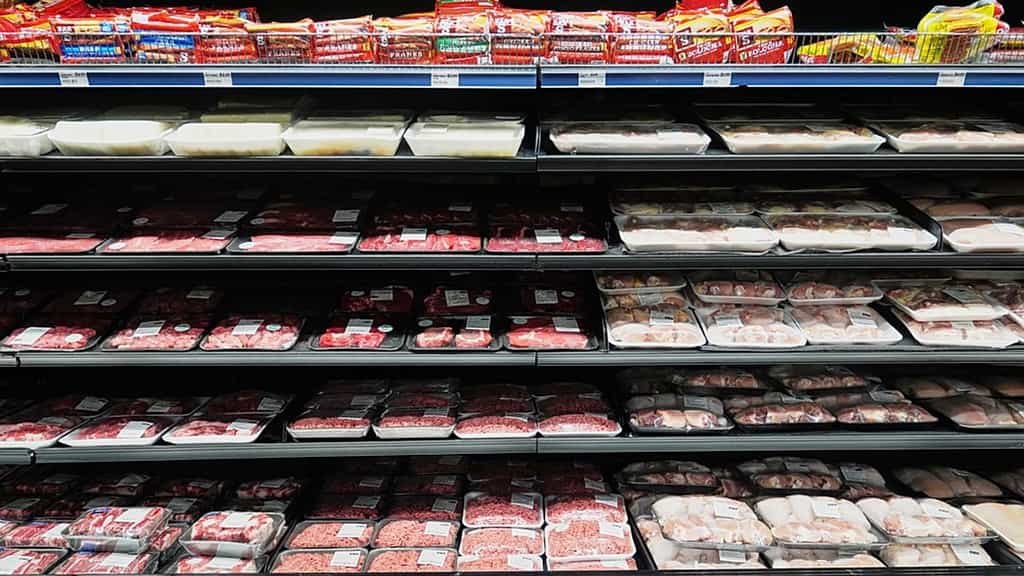
Chemical preservatives found in some deli meats, dried fruits, cheeses, and chocolate products could increase the risk of some cancers and type 2 diabetes, according to the authors of two major new studies.
The studies, published in the BMJ and Nature Communications, reported that higher intake of certain preservative additives was associated with about a 47 percent higher incidence of type 2 diabetes, and up to a 32 percent higher incidence of some types of cancer, compared to lower consumption.
“This study brings new insights for the future re-evaluation of the safety of these food additives by health agencies, considering the balance between benefit and risk for food preservation and cancer,” the authors of the cancer study wrote.
Preservatives belong to the family of food additives, and are widely used by the global food industry to extend products’ shelf life.
For the diabetes analysis, preservatives were grouped into non-antioxidants, which mainly inhibit microbial growth or slow chemical changes leading to spoilage, and antioxidants, which delay or prevent food deterioration by limiting oxidation.
Higher intake of non-antioxidant preservatives was associated with a 49 percent higher incidence of type 2 diabetes. For antioxidant additives, the incidence of type 2 diabetes was 40 percent higher when participants' consumption was high.
The cancer study, besides looking at overall preservative intake, also examined 17 individual substances. While no association was found between total preservative consumption and overall cancer incidence, higher intake of certain preservatives was found to be linked to specific cancers.
Potassium sorbate, commonly used in dairy products and baked goods to prevent the growth of moulds and yeasts, and was associated with about a 14 percent higher incidence of overall cancer and a 26 percent higher risk of breast cancer, the researchers found.
Sodium nitrite, a curing agent found in bacon, ham, sausages, and other meats, was linked to a 32 percent higher incidence of prostate cancer, while potassium nitrate, another curing substance, was associated with an increased risk of overall cancer (13 percent) and breast cancer (22 percent).
Processed meats, which contain high levels of chemical additives to extend their shelf life, have been well-documented for their link to colorectal cancers. In 2015, the World Health Organization (WHO) classified processed meats including ham, bacon, salami, and frankfurts as a Group 1 carcinogen.
Acetates, common acid regulators and flavouring agents, were associated with a 15 percent increased risk of overall cancer and a 25 percent increased risk of breast cancer.
Researchers looked at the NutriNet-Santé cohort – a French study with more than 100,000 participants who completed regular dietary records over an average of 7.5 years.
Between 2009 and 2023, volunteers reported their medical history, socio-demographic data, physical activity, and other information about their lifestyle and health status.
They also regularly provided detailed information on their food consumption through repeated 24-hour dietary records, including the names and brands of industrial products. This allowed researchers, using complementary databases, to estimate each participant’s exposure to different additives.
While further research is needed to better understand these links, the researchers said these new data support a re-evaluation of regulations governing the use of these additives by the food industry to improve consumer protection.
This was an observational study, so no firm conclusions can be drawn about cause and effect, and researchers acknowledged that they could not rule out the possibility that other unmeasured factors may have influenced their results.
In the meantime, they call on manufacturers to limit the use of unnecessary preservatives, and support recommendations for consumers to favour freshly made, minimally processed foods.
Experts in the field, while recognising the value of the study for future research, warn against drawing a direct causal link from the results.
“Any calls for changes in consumer behaviour would be premature given the uncertainty surrounding analysis of multiple subgroups and the potential for false-positive errors”, said Gavin Stewart, reader in interdisciplinary evidence synthesis from Newcastle University, who did not participate in the study.
Stewart added that, even if future evidence were to show clear health benefits from avoiding preserved foods, those benefits might still be outweighed by the costs for some consumers.
Editorial Context & Insight
Original analysis & verification
Methodology
This article includes original analysis and synthesis from our editorial team, cross-referenced with primary sources to ensure depth and accuracy.
Primary Source
Latest News From Euronews | Euronews RSS