


Key takeaways
- The Internet is awash in AI content, and it’s not always easy to tell it apart from genuine human creations.
- Suno is one of the most prolific sources of this AI music, but the company now says it’s looking to clean up its act with watermarks and…
- Soon, the company will add watermarks to all audio outputs from its models, giving platforms the option to mark content as AI or block it…
What happened
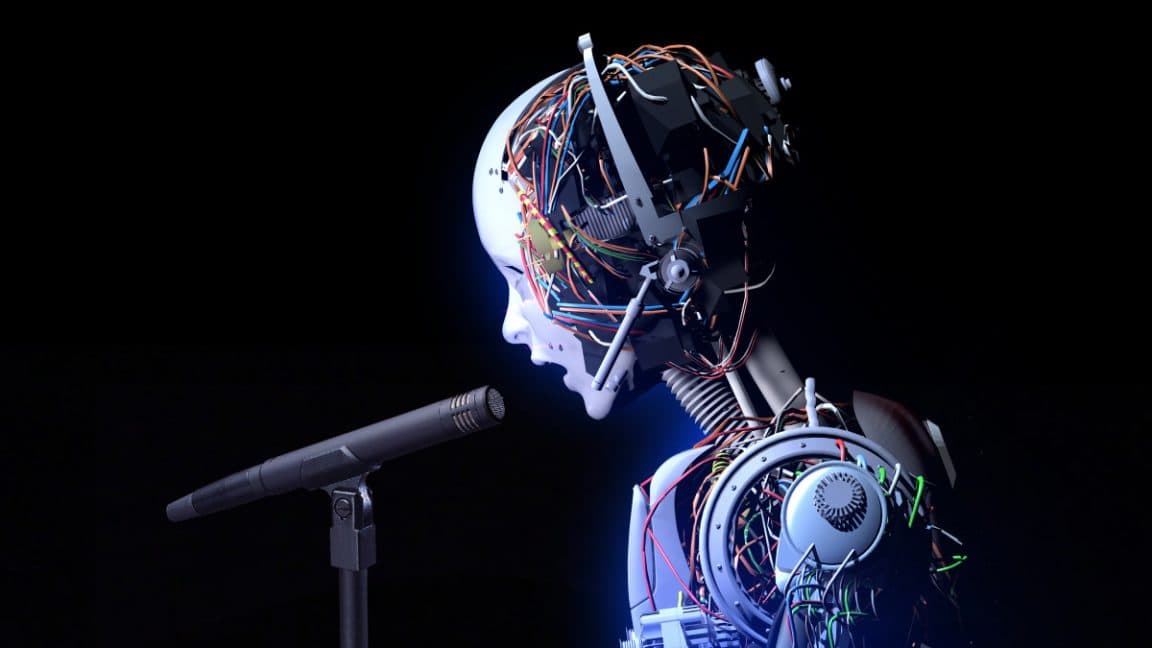
The Internet is awash in AI content, and it’s not always easy to tell it apart from genuine human creations. While images and videos are perhaps the most obvious type of AI slop, streaming music services like Spotify are also being inundated with AI-generated tunes.
That’s a problem with all efforts to watermark AI content. While much of the visual media generated by AI has flown under the legal radar, the music industry is famously litigious. Suno is being sued by Universal and Sony for copyright infringement in the US, and a German court recently found the company was violating the country’s music licensing laws. Both cases could lead to hefty fines.
Suno is also in hot water as a result of a hack in late 2025 that showed it scraped content from YouTube, Deezer, and others to train its models. Suno did not disclose the hack, which may have included the private information of millions of users. It’s being sued in Massachusetts over that.
None of that is a good look, so it’s no surprise Suno is looking for ways to change the conversation. The company is essentially positioning itself as a tool for musicians and personal projects, not as a way to generate unlimited slop for Spotify. ” That, he claims, is why Suno already has rules designed to guard against misuse.
For example, Suno doesn’t allow users to include specific artists or songs in their prompts, and it partners with companies like Musixmatch to ensure people don’t upload copyrighted content to use as a base for their generative compositions. Suno has also strengthened prohibitions against this kind of misuse in an update to its usage policy. More changes are coming, too.
Why it matters
Suno is one of the most prolific sources of this AI music, but the company now says it’s looking to clean up its act with watermarks and policy changes. In a blog post announcing the plans, Suno CEO and co-founder Mikey Shulman says this is a necessary change to meet “emerging industry standards” for the labeling of AI content.
Soon, the company will add watermarks to all audio outputs from its models, giving platforms the option to mark content as AI or block it entirely. Shulman doesn’t say if Suno will rely on an in-house solution or a ready-made solution like Google’s SynthID. Google recently began licensing SynthID to other companies.
Google says the tech has been used to label 60,000 years’ worth of audio generated by its Gemini models, plus more than 100 billion images and videos. Whatever technology Suno uses, the idea is that every track it generates will have an invisible code embedded in the waveform. ” Shulman notes the watermarking tech Suno intends to use is “durable and resistant to tampering” without affecting quality.
However, no system is perfect. If someone does manage to break Suno’s watermarks, all the tracks produced to that point could be stripped of their AI labels. And this doesn’t solve the problem of proliferating AI music. There are other platforms that don’t have plans for watermarking, and open models could allow people to generate unlabeled AI music on their own hardware.
What to watch
Last year, Suno agreed to limit downloads in a settlement with Warner Music Group. Suno is still working out the specifics, but Shulman says most users won’t be affected. ” Whether these changes will save Suno from its legal woes remains to be seen.