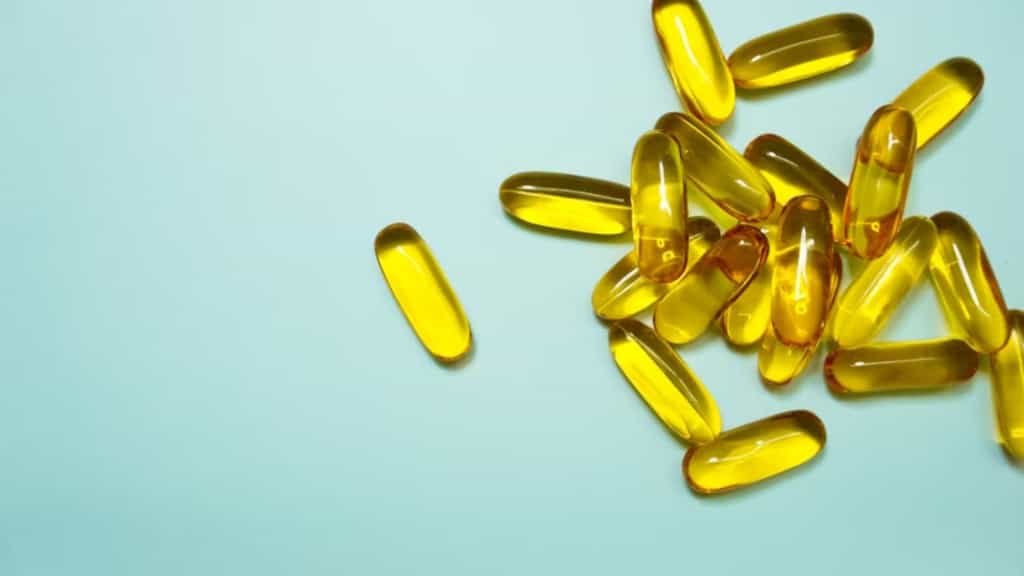
While we talk about having the right diet, we are badly missing out on Omega-3, the essential polyunsaturated fats your body needs for building brain cells and supporting overall health but can’t produce on its own. The first global review of Omega-3 intake shows that 76 per cent of people across the world are not meeting recommended intakes, with big gaps between what is needed and what is consumed, be it foods or supplements.
Researchers involved in the collaborative review stressed that the health benefits of Omega-3 cannot be overlooked by any age group throughout life. They even quantified the amounts needed for overall well-being.
The main types are alpha-linolenic acid or ALA (plant-based), eicosapentaenoic acid or EPA and docosahexaenoic acid or DHA (from seafood), all of which are crucial for heart health, reducing inflammation, improving brain function and vision, acting as building blocks for cell membranes and providing energy. The body can convert a small amount of ALA into EPA and DHA.
The study strived to answer how much Omega-3 we need for good health, with the consensus being that the 250 mg per day of combined EPA and DHA would be enough, with an extra 100–200 mg of DHA advised for pregnant women. Foods that help meet these requirements include consumption of oily fish such as salmon or mackerel, and supplements for those on plant diets with some sources in flaxseeds, chia seeds and walnuts. “They are called essential because the body cannot produce them on its own, so they must be obtained through diet or supplements,” says Dr Sonia Gandhi, head, department of dietetics and nutrition, Fortis Hospital, Mohali.
Most people rarely eat fish and seafood. Packaged foods replace natural Omega-3 sources. “We may be having too much of Omega 6 in the form of refined oils (sunflower, soybean, corn oil), which block Omega-3 absorption. There is poor conversion from plant sources because your body converts flax/chia Omega-3 very poorly into brain-usable DHA,” says Dr Gandhi.
Omega-3 fatty acids help reduce triglyceride levels and improve overall lipid profile, providing cardioprotective effects by lowering the risk of coronary heart disease and stroke. “These exhibit strong anti-inflammatory properties by regulating inflammatory mediators, support brain development, cognitive function, and memory due to high DHA content in neural tissues. They also help reduce symptoms of depression, anxiety and mood disorders, improve insulin sensitivity, boost immunity, support bone, joints and metabolic health. Most importantly, they help regulate hormonal balance. A deficiency affects all these key functions,” says Dr Gandhi.
Dr Puneet Kumar, physician and diabetologist at Livasa Hospital, Mohali says Indians cannot ignore the fact that regular intake of Omega-3, either through food or supplements when advised, can significantly help them manage heart health and diabetes. “In fact, there is strong evidence that Omega-3 may help lower blood triglyceride levels,” he says.
Plant-based sources are flaxseeds and flaxseed oil, chia seeds, walnuts, soybeans and soybean oil, mustard seeds and mustard oil and some green leafy vegetables. Fatty fish such as salmon, sardines, mackerel, tuna, herring, shellfish, fish oil and cod liver oil, eggs, milk, yogurt and cereals are rich sources.
As Dr Kumar says, Omega-3 helps reduce triglyceride levels, lowers blood pressure and prevents abnormal blood clot formation. “It improves arterial flexibility and reduces the risk of cardiovascular diseases, heart attack and stroke,” he says. Omega-3 reduces the production of inflammatory substances in the body. “This helps in managing chronic inflammatory conditions such as arthritis, metabolic syndrome, obesity, and autoimmune disorders,” he adds.
Omega-3 helps reduce liver fat, which improves glucose regulation. “And since it impacts hormones that regulate hunger, it helps reduce overeating and blood sugar spikes,” says Dr Kumar.
Editorial Context & Insight
Original analysis & verification
Methodology
This article includes original analysis and synthesis from our editorial team, cross-referenced with primary sources to ensure depth and accuracy.
Primary Source
The Indian Express