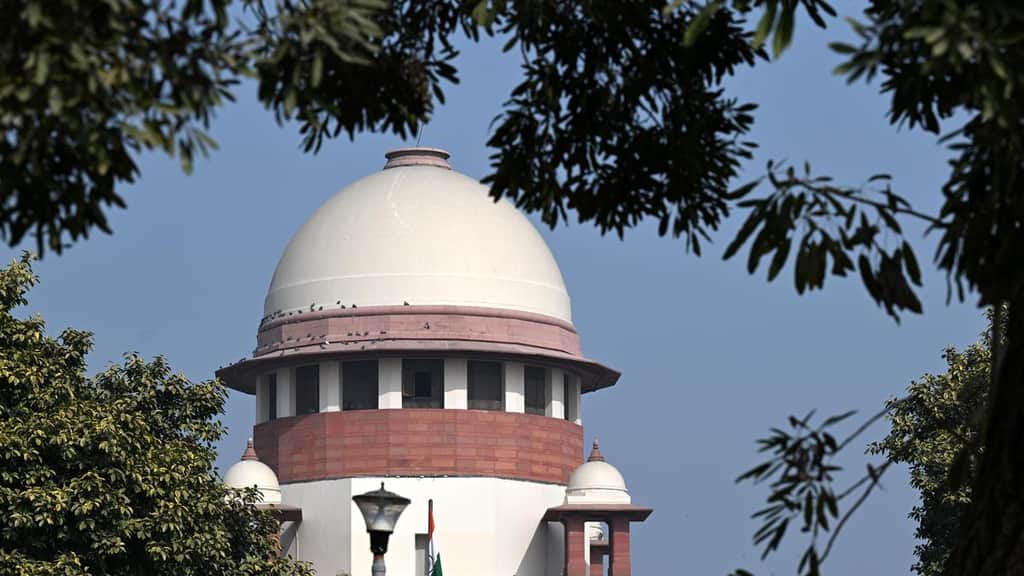
The Supreme Court judgment in the Delhi riots ‘larger conspiracy’ case on Monday (January 5, 2026) establishes a “hierarchy of culpability” among accused persons in Unlawful Activities (Prevention) Act (UAPA) cases to justify its denial of bail to Umar Khalid and Sharjeel Imam and the grant of freedom to others, including Gulfisha Fatima.
The judgment held that treating all the accused identically merely because the case against them arises from the same set of facts would lead to a violation of Article 21 of the Constitution, which enshrines the fundamental right to life and liberty. The State has to identify and present their case individually and separately in a court examining the accused’s bail pleas.
“Treating all the accused identically will risk transforming pre-trial detention into a punitive mechanism divorced from individual circumstances. Prolonged custody disproportionately burdens those whose roles are limited,” Justice Kumar said.
The judgment said the accused with limited roles should be given the relief of conditional release on bail in order to balance individual liberty and collective security. Whether they were actually guilty or not of the alleged offence came at the stage of trial. A bail court was only concerned with the regulation of their personal liberty, the court said.
The court found the roles played by Mr. Khalid and Mr. Imam “qualitatively on a different footing, both in the prosecution narrative and on evidentiary basis”.
The judgment reasoned granting bail to Ms. Fatima and others but refusing the relief to Mr. Khalid and Mr. Imam on the ground that the latter were alleged to have played “central and directive roles in conceptualising, planning and coordinating the alleged terror act” while the former had merely “subsidiary” roles.
The court said that setting a “hierarchy of culpability” differentiating among the accused for the grant of bail was not meant to dismantle the prosecution’s case of conspiracy or dilute their culpability. It was only a step to ensure that pre-trial detention was not indiscriminate or automatic. Statutory restrictions on bail must operate reasonably, proportionately, and with fidelity to individual attributes of the case, the court said.
Editorial Context & Insight
Original analysis & verification
Methodology
This article includes original analysis and synthesis from our editorial team, cross-referenced with primary sources to ensure depth and accuracy.