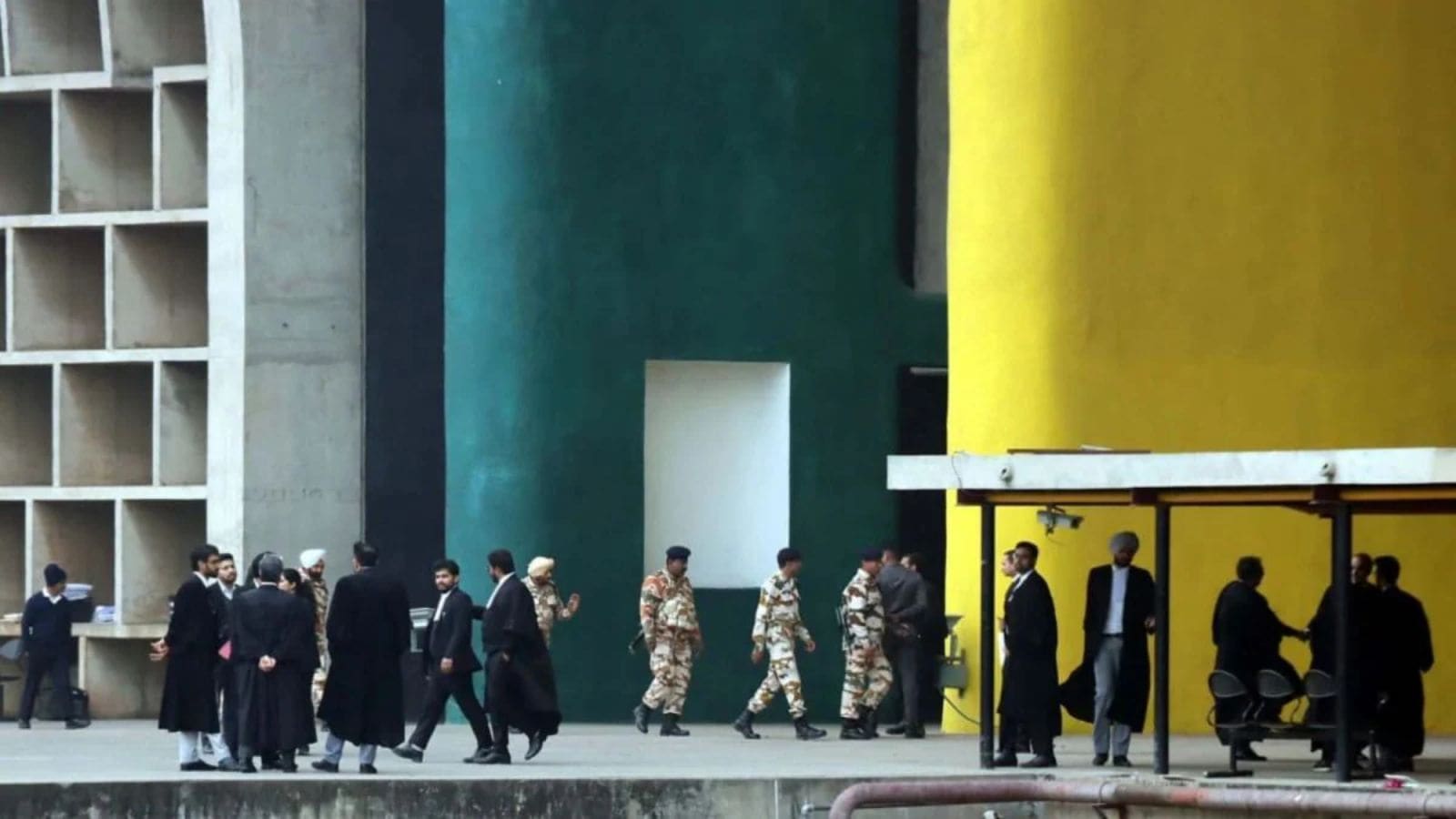
A division bench of Justice Ashwani Kumar Mishra and Justice Rohit Kapoor agreed.
In a win for dozens of stone crusher units in Punjab, the Punjab and Haryana High Court has set aside demand notices issued by the state, ruling that authorities skipped mandatory steps of proper assessment.
Several crusher owners had challenged the notices from district mining officers, which accused them of processing minerals without permission in 2024 and demanded large payments under the 2013 minor minerals rules and the 2023 crusher policy. Their appeals to the Superintending Engineer in Ropar were also turned down.
The owners told the court they had received no clear details of the alleged violations and no opportunity to explain. They argued that “neither they have been made aware of the exact violations attributed to them nor they are given opportunity to explain their stand and the competent authority has otherwise not determined their liability in accordance with law.”
The court also pointed out that the 2023 crusher policy requires monthly returns to be checked and assessed for any deviations. Yet, the bench noted, “in none of the cases where demand is raised for violation of the provisions of the Crusher Policy, 2023, any order of assessment is passed, either.”
In these cases, no assessment orders were passed under either the rules or the policy. The demand notices simply stated the amount due without any reasoned determination of liability.
The judges held firmly that “the determination of liability of the petitioner(s) under the impugned demand notices are, therefore, not found to be consistent with the requirement of law.” They added that owners had not been told “the nature of demand raised against them in accordance with the applicable procedure nor any opportunity of contest has been given to them.”
Some appeal orders were also deemed flawed because they were passed by an officer who lacked authority at the time.
Drawing on a 2020 ruling in a similar matter, the court reiterated that a proper assessment order is essential before any royalty demand can be raised.
The bench quashed all the demand notices and appeal orders, but gave the state freedom to start fresh action if it follows due process. It said the government may issue new notices “specifying the nature of violation attributed to each of the petitioners… giving the petitioners a reasonable opportunity of hearing.”