

Key takeaways
- Shippy's architecture prioritizes reliability and transparency in high-stakes maritime operations.
- It uses a modular design with a soul, skills, and config to ensure predictability and auditable boundaries.
- Shippy's skills are structured in plain markdown files, making them easy to version and revise.
What happened
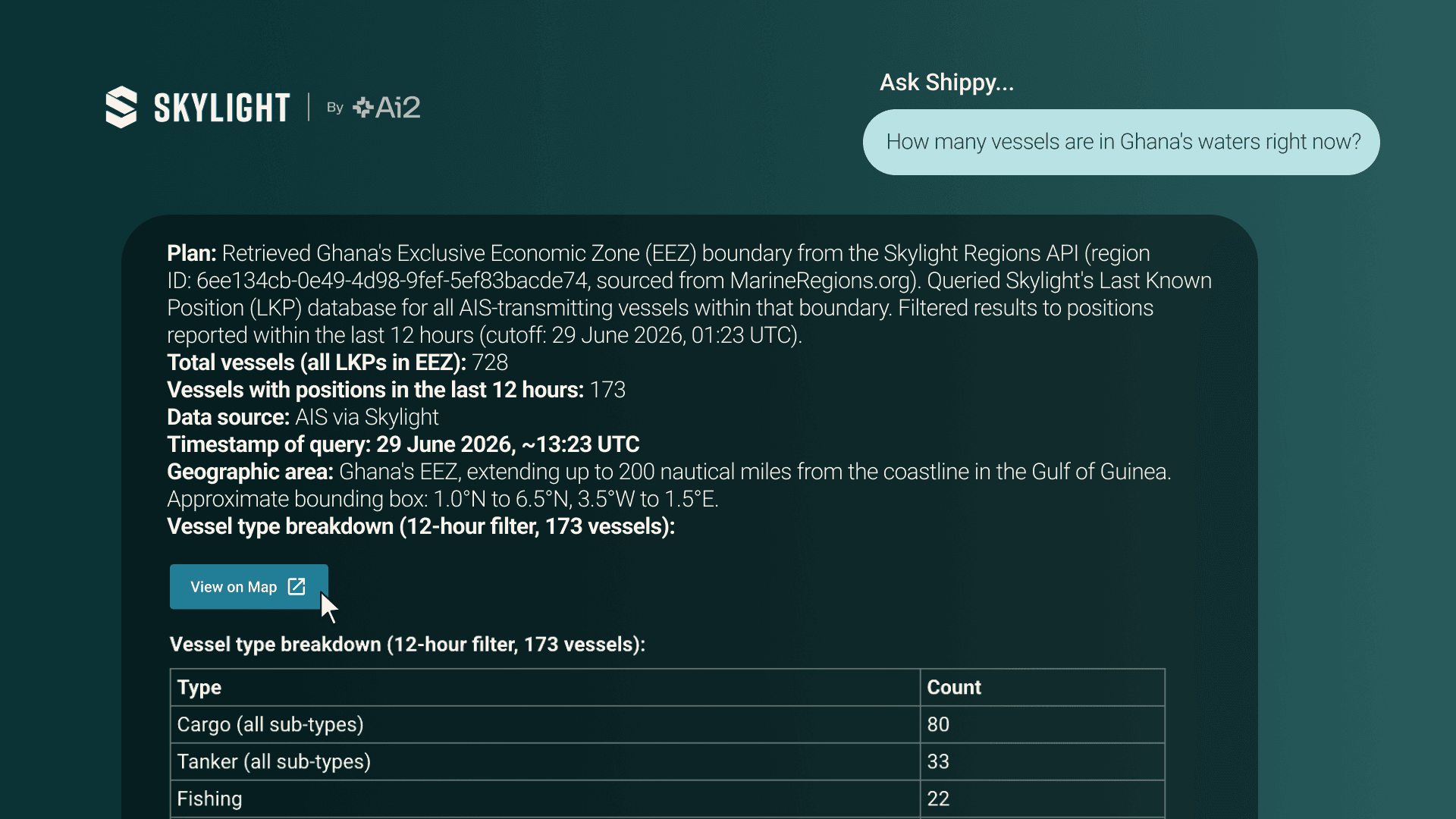
Shippy, an AI agent designed for maritime operations, was developed to handle real-time domain awareness in high-stakes environments. The Skylight team focused on building a system that could be trusted to provide accurate and reliable information, especially in scenarios where wrong answers could lead to significant resource misallocation and potential harm. The architecture of Shippy is built around three core components: the soul, skills, and config.
The soul defines the agent's behavioral boundaries and persona, ensuring it does not overstep its limits. Skills are specific instructions for handling requests, while config manages the runtime environment, including which agent harness and LLM to use. This modular design ensures that Shippy can be easily updated and scaled without rebuilding the entire system.
Why it matters
Shippy's architecture offers a blueprint for developing reliable AI agents in critical operational domains. Its emphasis on transparency and predictability is crucial for industries where wrong decisions can have severe consequences. By providing a clear framework for defining agent behavior and handling requests, Shippy sets a new standard for AI reliability.
This approach can be adapted to other environmental and operational AI platforms, ensuring that these systems are not only effective but also trustworthy and auditable. The lessons learned from Shippy's development can help other organizations build more robust and reliable AI agents, particularly in sectors where high-stakes decisions are made based on AI outputs.
What to watch
As more industries adopt AI for critical operations, the need for reliable and transparent systems will only grow. Shippy's architecture could inspire new standards for AI agent development, particularly in sectors like maritime, environmental monitoring, and defense. Future developments in AI agent design should focus on making these systems more modular, transparent, and auditable to ensure they can be trusted in high-stakes environments.
Additionally, the integration of open-source tools and frameworks, such as OpenClaw, could become more prevalent as organizations seek to build scalable and maintainable AI systems.