

Key takeaways
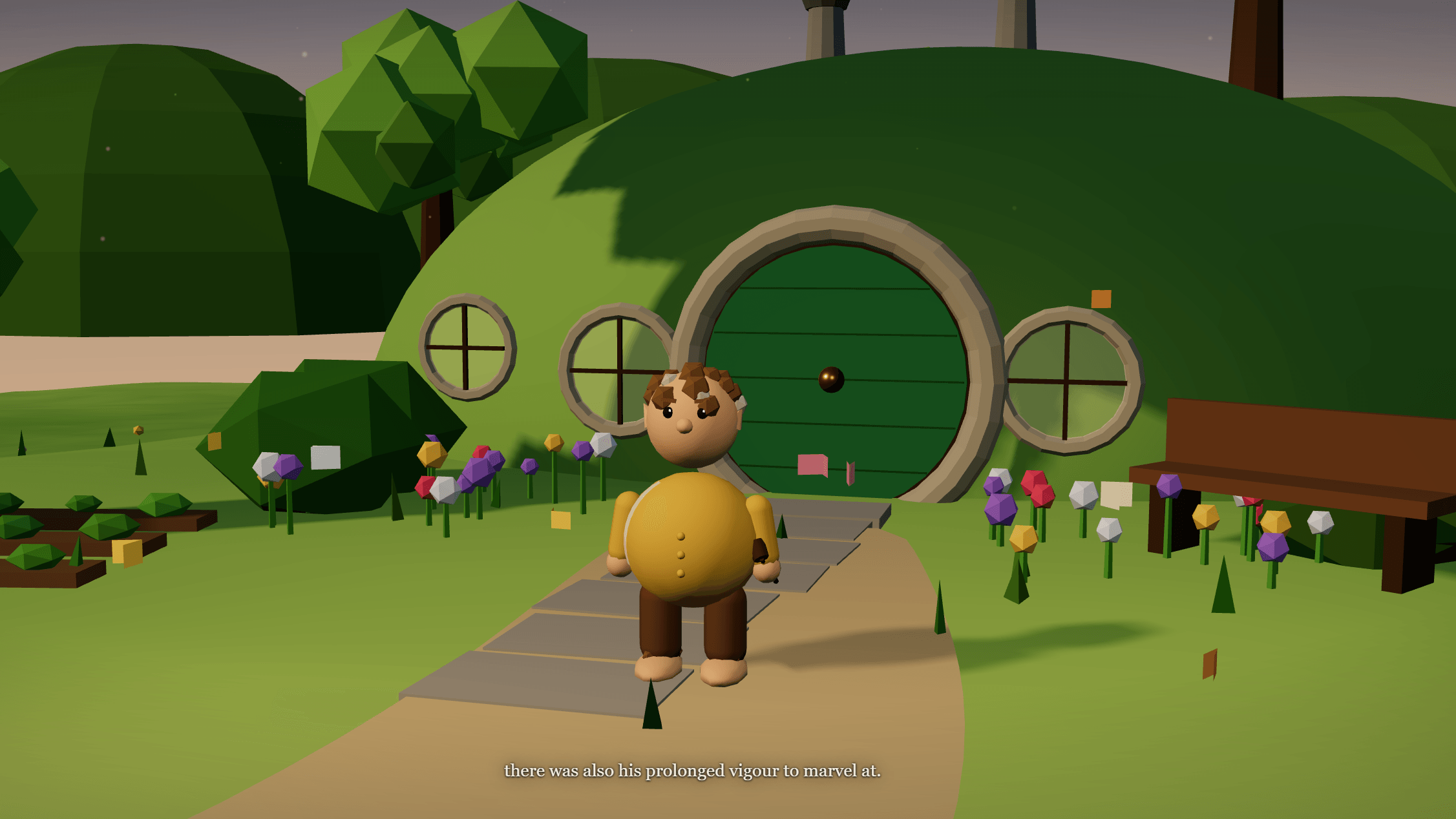
- One paragraph of "Lord of the Rings" in, 5,500 lines of code out.
- Simon Willison's fun benchmark asks a model to draw an SVG of a pelican riding a bicycle, a prompt chosen to be absurd enough that the…
- GPT-4 at the time was trained on text data only, unlike the multimodal models that now power every major chatbot.
What happened
One paragraph of "Lord of the Rings" in, 5,500 lines of code out. Andrej Karpathy had Claude Opus 5 turn Tolkien's opening into a 3D browser scene. js, a graphics library for 3D in the browser. Karpathy posted the source code online so others can play back and modify the scene. Karpathy's argument is that the well-known pelican test is close to maxed out.
Why it matters
Simon Willison's fun benchmark asks a model to draw an SVG of a pelican riding a bicycle, a prompt chosen to be absurd enough that the subject wouldn't already exist in training data. The idea goes back further. In 2023, Microsoft had GPT-4 draw a unicorn in TikZ as part of its Sparks of AGI paper and pointed to it as evidence of spatial reasoning.
GPT-4 at the time was trained on text data only, unlike the multimodal models that now power every major chatbot. Karpathy calls the result rough but fun. Eleven Labs provided the audio, while the model placed and animated objects on its own. Nobody would build worlds like this by hand, Karpathy says, but with a model it's nearly free.
What to watch
He sees potential for on-demand game worlds where users could be dropped in as side characters or protagonists. One problem remains. The model can't watch its own video output and had to rely on screenshots instead, which led to errors. Other users are having Opus 5 write entire browser games, from first-person shooters to Minecraft clones. None of this produces hard benchmarks. They're vibe checks.
Karpathy co-founded OpenAI and served as head of AI at Tesla. He later ran the education startup Eureka Labs and has been working on pre-training research at Anthropic since May 2026.