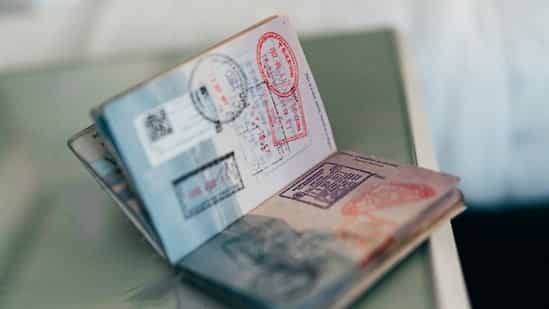
Amid escalating tensions with India, Bangladesh has reportedly further restricted visa issuance for Indian nationals, extending the curbs to its missions in Kolkata, Mumbai and Chennai.
Bangladesh's foreign affairs ministry confirmed the decision on Wednesday night, Dhaka Tribune reported. The restrictions, which suspend all categories of visas except business and employment visas, came into effect from Thursday.
The ministry stated that consular and visa services have been halted at the Bangladesh deputy high commission in Kolkata, adding that tourist and other visa services for Indians have also been suspended at its missions in Mumbai and Chennai.
The decision was made against the backdrop of security concerns over the ongoing tensions between the neighbours, Dhaka Tribune reported, citing diplomatic sources.
Earlier on December 22, the Bangladesh high commission in New Delhi suspended visa services for an indefinite period following protests near the mission.
Meanwhile, the assistant high commission of Dhaka in Tripura also announced suspension of visa services following protests outside the mission.
Visa services offered by a private operator on behalf of Bangladesh in West Bengal's Siliguri had also been suspended after an act of vandalism, HT previously reported.
The missions in New Delhi and Agartala, while announcing the suspension of consular and visa services in a notice, had said that the decision was taken due to "unavoidable circumstances".
The development came after the Indian visa application centre in Bangladesh's Chittagong was also shut down indefinitely amid security concerns following widespread protests over the death of prominent student leader Osman Hadi and the lynching of a Hindu worker named Dipu Chandra Das.
Two days prior to the Bangladesh mission in New Delhi announcing a suspension of visa and consular services, massive protests had erupted outside the high commission as protestors raised slogans against the horrendous killing of Das.
At the time, India's ministry of external affairs had issued a clarification that no attempt was made to breach the fence of the Bangladesh high commission.
In between these developments, India had summoned Bangladesh high commissioner Riaz Hamidullah to register a protest over the worsening security conditions in Dhaka and plans by extremist elements that could affect the security of the Indian mission there.
One of the key reasons for the summoning was also a speech by National Citizen Party (NCP) leader Hasnat Abdullah, who contended that Bangladesh can shelter separatist forces from India and sever the seven northeastern states, also known as the "seven sisters", from the rest of the country.
On December 22, the Bangladesh foreign ministry summoned the Indian envoy over the security of Bangladesh missions. The incidents cited for the summon included "vandalism at the Bangladesh Visa Centre in Siliguri and a protest outside the Bangladesh high commission in New Delhi".
Hours later, Bangladesh high commissioner Riyaz Hamidullah was called to the ministry of external affairs in India.
Over the past few days, several Hindus have been killed in Bangladesh amid growing tensions and violence in the country.
Editorial Context & Insight
Original analysis & verification
Methodology
This article includes original analysis and synthesis from our editorial team, cross-referenced with primary sources to ensure depth and accuracy.