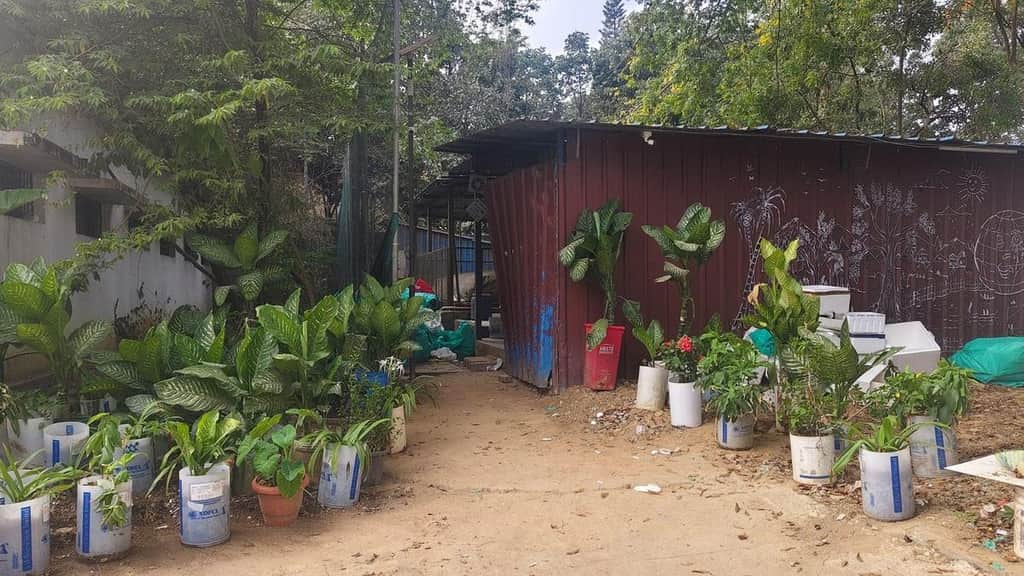
The State-run Kidwai Memorial Institute of Oncology (KMIO) has received the ISO 14001:2015 Environmental Management System certification for its Solid Waste Management (SWM) facility.
With this, Kidwai is one of the few hospitals in the country that are recognised for compliance with international environmental standards. This marks a significant step in strengthening environmentally responsible practices at the public-sector cancer hospital.
The certification is the outcome of a process that began in March 2020, when the institute decided to scientifically reorganise the handling of waste generated within the tertiary care facility. A modern SWM facility was set up under a 10-year Build–Own–Operate–Transfer (BOOT) model following a transparent tender process that balanced environmental standards with cost considerations. The SWM facility underwent an independent audit in 2025 and was awarded the certification in December, 2025.
Kidwai director (additional charge) Naveen T. told The Hindu that 4,000 sq. ft of land was allotted on the institute’s campus for the facility, which was developed in compliance with the Solid Waste Management Rules, 2016, BBMP by-laws and other statutory norms. The infrastructure was completed by the end of December 2020, with trial runs conducted in January 2021, he said.
The facility includes a one-tonne-per-day biogas plant that processes food and garden waste. The biogas generated is purified and used to produce electricity through a 10 kVA generator, which powers the SWM facility and supports charging of electric vehicles on campus. Organic residues and slurry are used for aerobic composting, with the manure regularly tested in government laboratories.
Dry waste is managed through a dedicated segregation shed, from where recyclable materials are routed to authorised recyclers and non-governmental organisations. Solar-powered lighting, revival of a defunct borewell and periodic air quality monitoring form part of the facility’s green measures, the doctor said.
Along with infrastructure, the institute also placed emphasis on capacity building. Staff across departments were trained in scientific waste segregation, while the BBMP workers conducted sessions for housekeeping personnel on hygiene and sanitation practices.
Between January 2021 and November 2025, the facility has processed over 10.89 lakh kg of food waste, 2.80 lakh kg of garden waste, and 3.73 lakh kg of non-value dry waste, diverting them from landfills. Compost generated through the process is used to maintain more than 8,000 trees and 800 potted plants on the campus, Dr. Naveen said.
“The near-zero organic waste to landfill status was the result of sustained monitoring and staff participation. Waste management in a large hospital requires both systems and people. Continuous training and strict segregation at source have been key to making the facility effective and compliant,” he said.
“Achieving ISO 14001 certification reflects our commitment to integrating patient care with environmental responsibility. As a public-sector tertiary care hospital, we believe sustainable practices are essential for long-term resilience,” the director added.
Editorial Context & Insight
Original analysis & verification
Methodology
This article includes original analysis and synthesis from our editorial team, cross-referenced with primary sources to ensure depth and accuracy.