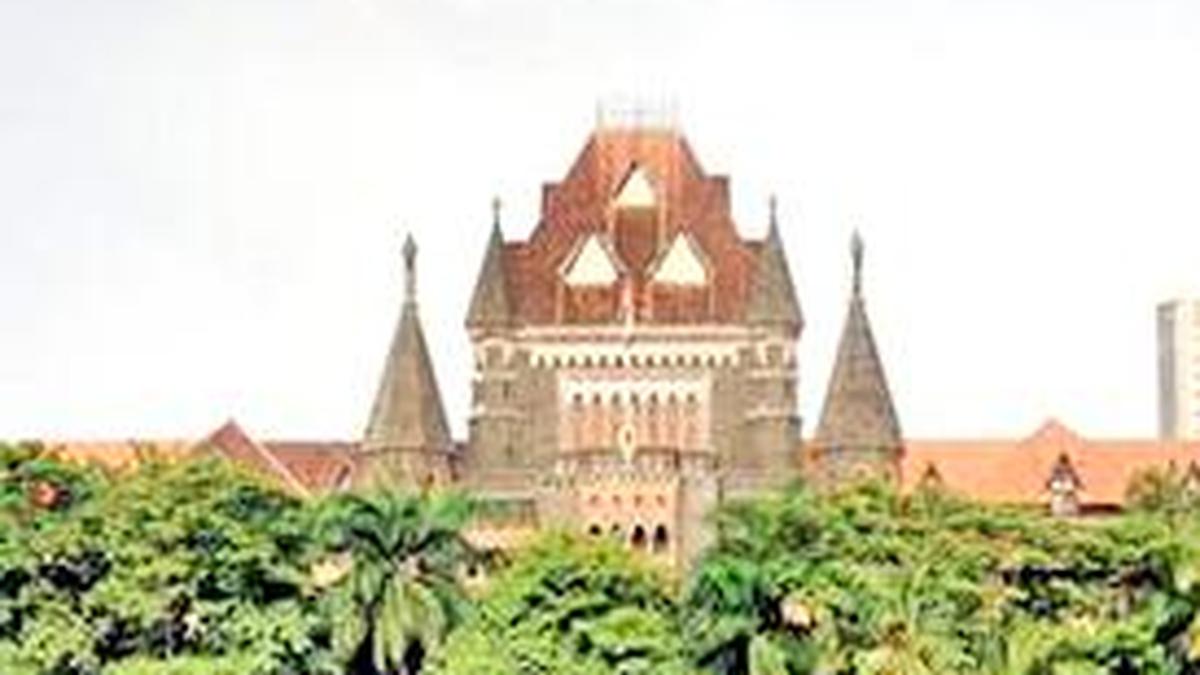
The Bombay High Court on Tuesday (December 23, 2025) dismissed bail applications filed by four accused in the April 2020 Palghar lynching case, observing that the seriousness of the offence and their overt acts outweighed claims of parity and prolonged incarceration.
Justice Neela Gokhale, pronouncing two separate orders, rejected the pleas of Rajesh Dhakal Rao, Sunil Satya Shantaram Dalvi, Sajanya Barkya Burkud, and Vinod Ramu Rao. All four have been in custody for more than five years.
The case relates to the mob killing of two seers, Kalpavrikshagiri Maharaj and Sushilgiri Maharaj, and their driver Nilesh Telgade in Gadchinchle village during the COVID-19 lockdown. A crowd of 400-500 villagers allegedly attacked the trio, mistaking them for child abductors, and even assaulted police personnel who tried to intervene. The FIR invoked multiple provisions, including Sections 302 (murder), 120B (criminal conspiracy), 353 (assault on public servant), 147-149 (rioting) of the IPC, along with sections of the Disaster Management Act, Epidemic Diseases Act, and Maharashtra Police Act.
Counsel for the applicants argued that the incident was a “spur-of-the-moment mob attack” without intent to murder and sought bail on two grounds, parity with 42 co-accused already enlarged on bail and long incarceration. “Presuming, without admitting the prosecution case, ingredients of Section 302 are not made out. The villagers presumed the persons disguised as sadhus to be thieves,” said advocate Saili Dhuru for Rao, while advocate Sachin Pawar, appearing for the other three, contended that the viral video panchanama lacked evidentiary value and witnesses only affirmed presence at the scene.
Opposing bail, Special Public Prosecutor Amit Munde, representing the CBI, detailed the overt acts attributed to each applicant. Rao was seen carrying an iron axe, overturning the Eeco car, slashing its bonnet, beating the victims even as they sought refuge near a police vehicle, assaulting PSI Sudhir Katare by tearing his uniform, and inciting the mob to continue the attack. Dalvi allegedly assaulted the victims with big stones, recorded a video of the violence on his mobile phone, and pushed a police official who tried to intervene. Burkud was accused of inserting a wooden stick through a police vehicle window to beat the victims and conspiring to gather the mob. Rao allegedly beat Kalpavrikshagiri Maharaj with a wooden stick, hurled stones at the victims, and convened a clandestine meeting to incite violence.
“The Applicant was inciting the mob. All these acts are caught on camera as well as evidenced by witnesses,” the court recorded. Witnesses including Vikas Kanoja, Dinesh Borsa, Chitra Chaudhary (sarpanch), and others identified the applicants as active assailants. Injury certificates of six policemen and post-mortem reports of the victims, noting skull fractures and sub-arachnoid hemorrhage, were also placed on record.
Rejecting parity, the judge cited Supreme Court rulings in Sagar v. State of U.P. and others: “Simply because the co-accused has been granted bail also cannot be the sole criteria for granting bail to another accused if they are standing on different footings.”
On liberty versus public interest, Justice Gokhale observed, “Liberty of an individual is precious and is to be zealously protected by the Courts. Nonetheless, such a protection cannot be absolute in every situation. The valuable right of liberty of an individual and the interest of the society in general has to be balanced.” Quoting Shahzad Hasan Khan v. Ishtiaq Hasan Khan, the court added, “Liberty is to be secured through process of law, which is administered keeping in mind the interest of the accused, the near and dear of the victim who lost his life as also the collective interest of the community so that parties do not lose faith in the institution and indulge in private retribution.”
The court held that the maximum punishment for the alleged offence, life imprisonment or death, meant the incarceration could not be termed “long” in the facts of the case. “Taking into consideration the nature, gravity and seriousness of the offence, this is not a fit case nor in the interest of justice, that the Applicants should be enlarged on bail,” the order concluded.
Directing the CBI, which took over the probe in August 2025, to complete its investigation expeditiously, the court allowed the applicants to renew their bail pleas after the agency files its report before the trial court.