High secondary PM2.5 contributions were also observed in Bihar (39%), Maharashtra, Andhra Pradesh and West Bengal (38% each), as well as Uttar Pradesh and Madhya Pradesh (37% each).
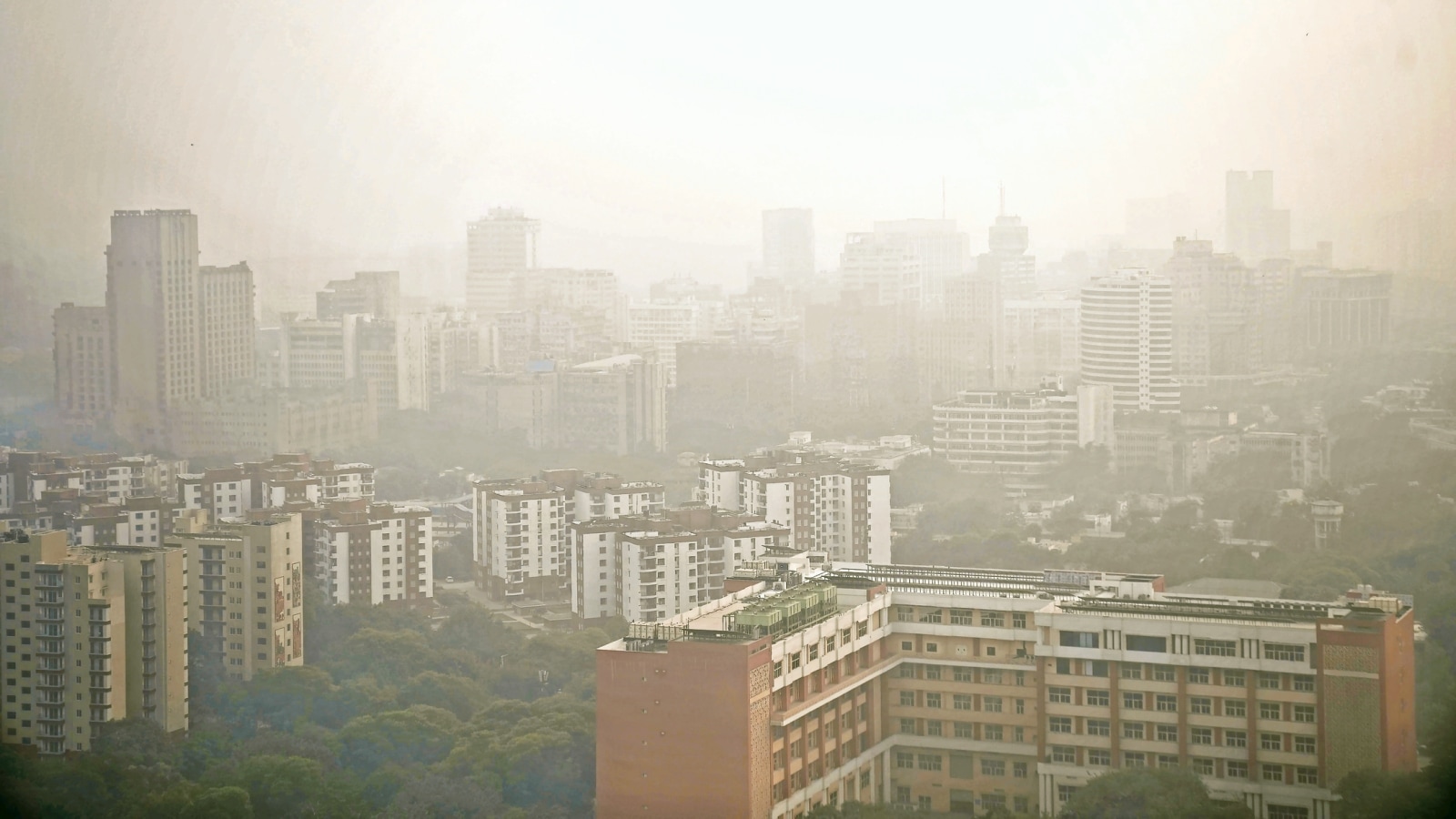
Nearly one-third of Delhi’s annual Particulate Matter 2.5 (PM2.5) pollution is made up of secondary ammonium sulfate, resulting from coal plants, industries and agriculture, with the chemically-formed pollutant dominating the city’s air during its worst pollution periods, according to a new analysis conducted by the Centre for Research on Energy and Clean Air (CREA), a Finland-headquartered think-tank.
Ammonium sulfate is a secondary inorganic aerosol formed through the oxidation of sulphur dioxide (SO2) into sulfate. This reacts with ammonia emissions from agriculture and other sources. Its formation is enhanced under humid conditions, linking coal-based power generation, industrial activity and agricultural ammonia to elevated PM2.5 levels in Delhi and across the National Capital Region (NCR).
This is particularly alarming, as at 11.2 million tonnes, India is the biggest emitter of SO2 globally, and ranks second only to China, an analysis by CREA published earlier this year had flagged.
Its latest analysis found that ammonium sulfate accounts for 49% of PM2.5 pollution in Delhi during the post-monsoon period and 41% in winter, compared with just 21% in summer and monsoon.
This indicates that the Capital’s most severe pollution episodes are driven largely by region-wide SO2 emissions and secondary chemical formation in the atmosphere, rather than only local primary sources.
PM2.5 pollution in India, with up to 42% of the country’s PM2.5 burden being chemically formed in the atmosphere from precursor gases such as sulphur dioxide and ammonia, CREA said.
At the national level, the highest annual contribution of ammonium sulfate to PM2.5 mass was observed in coal-fired power plant-dominated states. Chhattisgarh recorded the highest share at 42%, followed by Odisha (41%), as well as Jharkhand and Telangana (40% each).
High secondary PM2.5 contributions were also observed in Bihar (39%), Maharashtra, Andhra Pradesh and West
Bengal (38% each), as well as Uttar Pradesh and Madhya Pradesh (37% each).
“The current regulatory framework has exempted approximately 78% of coal-fired thermal power plants from installing flue gas desulfurisation systems, weakening sulfur dioxide control at source. Reinstating 2015 emission norms notification is therefore critical for mandatory installation of flue gas desulfurisation to reduce secondary ammonium sulfate formation and PM2.5,” the analysis said.
According to Dr Manoj Kumar, one of the authors, the study has implications as the National Clean Air Programme (NCAP) moves towards revision. “NCAP remains largely focused on PM10 and a significant share of PM2.5 is formed from precursor gases,” he said.