



Key takeaways
- A little over a decade ago, I led the controls design for a first-of-its-kind full digital control system for a U.S.
- An operator who only ever supervises automation slowly stops being an operator.
- The manual steps were there to keep the human current.
What happened
S. nuclear plant. It was, on paper, a beautiful machine—engineered to run itself the way a modern airliner does, with operators watching over a system that rarely needed them. And we made a decision that, to an efficiency-minded observer, looked backward: We deliberately left manual steps inside sequences the system could execute on its own. We were solving a specific problem.
It is earned through failed builds, dead-end debugging sessions, and the “why on earth did that work” moments that a capable AI will now happily spare the newcomer. Spare them enough of those, and you produce a cohort that can supervise a model on paper but never developed the gut sense to know when the model is confidently, catastrophically wrong.
Most of the commentary stops at the diagnosis, or reaches for policy solutions that treat the loss of junior jobs as an economic problem. Yet it’s also an engineering problem, and safety-critical fields have already spent decades learning how to solve it. My own career started at the sharp end of automation.
My first job out of school was verifying and validating the software in the digital jet-engine controller that decides, faster than any pilot could, how a fighter plane’s engine responds. Even then, in the late 1980s, the central tension was visible: The machine outperforms the human in routine cases, but the human is all that stands between the aircraft and disaster in the cases the machine didn’t anticipate.
This tension is known as the automation paradox, in which increasingly capable automation gives human operators less practice, while leaving them only the most difficult situations. Aviation learned, repeatedly and expensively, what happens when human skills atrophy inside that gap. The canonical example is Air France flight 447, which fell into the Atlantic in 2009. The proximate cause was mundane.
Iced-over airspeed sensors fed the autopilot bad data, and it did what it is designed to do: it disconnected and handed control of the airplane back to the crew. What followed was not a hardware failure. It was a competence failure.
Why it matters
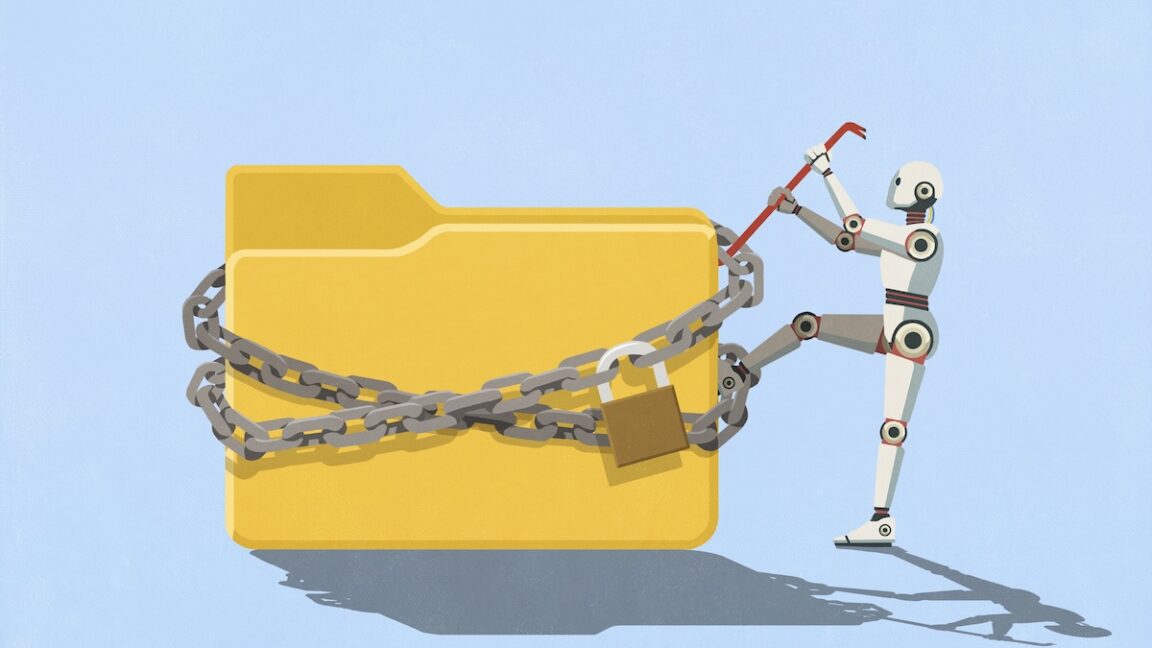
An operator who only ever supervises automation slowly stops being an operator. The hands go cold. The mental model of what the plant is actually doing gets fuzzy. Then comes the day the automation hands control back. It’s always the worst day, because automation only quits when it’s confused or in trouble. But by then, you have a person in the chair who hasn’t truly operated the thing in years.
The manual steps were there to keep the human current. It was inefficient by design, on purpose. That plant, as it happened, was never built. It was shelved amid the politics and economics that surround nuclear power in this country, for reasons that had nothing to do with the engineering.
But the design instinct outlived the project, and I’ve come to believe it’s the most useful idea I can offer to the argument now consuming every boardroom: What happens to human expertise when AI does the work that used to build it? The data has gotten hard to wave away. S.
firms found that after companies adopted generative AI, junior employment fell roughly 9 percent within six quarters relative to non-adopters, while senior employment kept right on growing. A Stanford analysis of ADP payroll records points the same way: The youngest workers in the most AI-exposed occupations lost ground after late 2022 while their more experienced colleagues held theirs.
The Stanford researchers found that the losses concentrate where AI automates the work; where it merely augments, junior employment holds steady or rises. The causal story is still contested, and honesty requires saying so.
Researchers at the New York Fed attribute much of the rise in young-graduate unemployment not to AI but to remote work, arguing that firms are reluctant to hire inexperienced people whom they cannot train and mentor at a distance. But notice what the explanations share.
Whether a model is absorbing the formative work or distance is severing the mentorship around it, both describe the same broken mechanism: the apprenticeship channel through which expertise passes from senior to junior. ” Strip away the noise and you’re left with one deceptively simple problem: you cannot become a senior engineer without first being a junior one. Expertise is not downloaded.
What to watch
A recoverable situation became an unrecoverable one because the pilots, conditioned by thousands of hours of watching the automation fly, could not read a high-altitude aerodynamic stall and hand-fly their way out of it. The airplane was working. The training the automation had quietly eroded was not. The industry’s response is instructive, and it’s the same move we made in that nuclear control room.
It did not rip out the autopilot. It built deliberate manual practice back in. ” The alert formally recognized skill decay as a hazard in its own right.