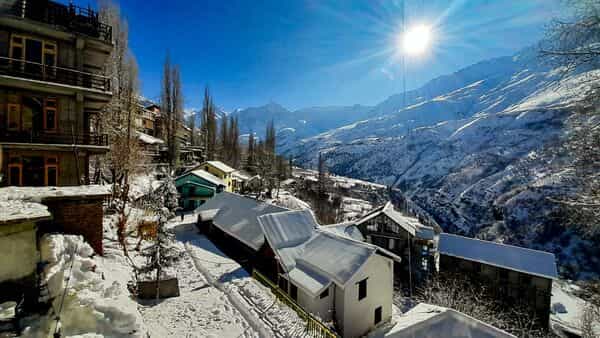
Tourist activity in Sissu, one of Himachal Pradesh’s most visited winter destinations, will remain suspended for 40 days starting 20 January, following a decision by the local gram panchayat to protect the area’s religious traditions and cultural practices.
Located in the Lahaul-Spiti district, Sissu has witnessed a surge in winter footfall in recent years. However, village elders, religious bodies and the elected panchayat have jointly agreed to pause all tourism-related activities until 28 February to allow residents to observe sacred winter rituals without disruption.
The decision was formally announced by village authorities and applies to all forms of tourism within panchayat limits. This includes hotels, homestays, sightseeing, adventure sports and recreational activities.
Locals believe the presence of outsiders during this time can disturb the spiritual environment required for prayers and ceremonies dedicated to deities such as Raja Ghepan and Goddess Bhoti. As a result, the village traditionally observes what residents describe as a phase of spiritual seclusion, prioritising rituals and community gatherings over commercial activity.
Village representatives have clarified that the move is not intended to discourage tourism permanently, but to prevent the dilution and commercialisation of deeply rooted traditions.
All major attractions in and around Sissu — including frozen waterfalls, snow trails and adventure zones — will remain inaccessible during the ban. Activities such as skiing, tube sliding, zip-lining and hot air ballooning have also been halted.
While the Manali–Keylong route via the Atal Tunnel is expected to remain operational depending on weather conditions, travellers will not be permitted to enter Sissu village for leisure purposes.
Other parts of Lahaul-Spiti, including Koksar, Keylong and Yangla, will continue to remain open to visitors.
Officials have urged visitors to respect local sentiments and refrain from sightseeing, photography or recreational stops in Sissu until the ban is lifted.
Since year-round access became possible after the Atal Tunnel opened, Sissu has emerged as a winter tourism hotspot. However, community leaders say the 40-day closure is a reminder that spiritual heritage takes precedence over seasonal tourism trends.
Tourists planning trips to the region are advised to reschedule visits to March onwards, when Sissu is set to reopen after the completion of religious ceremonies.
Until then, the snow-covered village will remain closed to visitors — reserved for rituals, prayers and traditions that predate modern tourism by centuries.
Editorial Context & Insight
Original analysis and synthesis with multi-source verification
Methodology
This article includes original analysis and synthesis from our editorial team, cross-referenced with multiple primary sources to ensure depth, accuracy, and balanced perspective. All claims are fact-checked and verified before publication.
Primary Source
Verified Source
mint - news
Editorial Team
Senior Editor
Aisha Patel
Specializes in India coverage
Quality Assurance
Fact-Check Editor
Fact-checking and editorial standards compliance