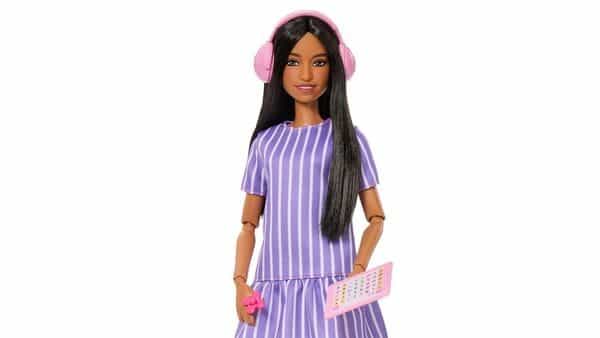
Mattel has introduced its first-ever autistic Barbie doll, expanding its long-running efforts to improve representation and diversity within its iconic Barbie Fashionistas line.
The announcement, made on 12 January 2026, marks a significant moment in toy design and inclusion as the company aims to offer children more ways to see themselves reflected in play.
The new doll was developed in collaboration with the Autistic Self Advocacy Network (ASAN), a disability rights organisation run by and for autistic people. The partnership lasted more than 18 months and involved direct consultation with autistic advocates to ensure the design felt authentic to lived experience.
According to Mattel, the autistic Barbie is intended “to represent common ways autistic people may experience, process, and communicate about the world”. The company said the goal was not to define autism by one set of traits but to include features that some autistic individuals might recognise and relate to through play.
One of the key design elements is the doll’s slightly averted gaze, reflecting how some autistic people may avoid direct eye contact. The doll also has articulated elbows and wrists, which allow for gestures such as stimming — repetitive movements that some autistic individuals use to regulate sensory input or express excitement.
The doll’s clothing and accessories were chosen with sensory experiences in mind. She wears a loose-fitting purple A-line dress with minimal fabric-to-skin contact, sensory-friendly flat-soled shoes and comes with a pink finger-clip fidget spinner, noise-cancelling headphones, and a tablet featuring symbol-based Augmentative and Alternative Communication (AAC) apps. These items are intended to represent tools that some autistic people find helpful in daily life.
In announcing the new release, Colin Killick, the executive director of ASAN, made clear the importance of genuine representation. He said, “As proud members of the autistic community, our team was thrilled to help create the first-ever autistic Barbie doll. It is so important for young autistic people to see authentic, joyful representations of themselves, and that’s what this doll is.”
The launch extends Mattel’s ongoing commitment to inclusivity, which began with the introduction of dolls representing visible and invisible disabilities such as Barbie with Down syndrome, type 1 diabetes, prosthetic limbs and hearing aids. These earlier releases helped broaden the Fashionistas line beyond traditional aesthetics to include a more diverse array of body types, skin tones and abilities.
The autistic Barbie is available at Mattel’s online shop and selected retailers in the United States, including Target, at a suggested retail price of around US$11.87. Walmart is expected to stock the doll later in March.
Editorial Context & Insight
Original analysis and synthesis with multi-source verification
Methodology
This article includes original analysis and synthesis from our editorial team, cross-referenced with multiple primary sources to ensure depth, accuracy, and balanced perspective. All claims are fact-checked and verified before publication.
Primary Source
Verified Source
mint - news
Editorial Team
Senior Editor
Shiv Shakti Mishra
Specializes in India coverage
Quality Assurance
Quality Assurance Editor
Fact-checking and editorial standards compliance