Games Done Quick, the biannual charity speedrunning event currently going on right now, not only helps organizations like the Prevent Cancer Foundation and Doctors Without Borders — it helps indie games get noticed, too. Indie game developers face an incredible uphill battle not only getting their projects funded, completed, and launched, but discovered as well. Events like GDQ can be a boon to developers, exposing tens of thousands of viewers to little-known games like Bat to the Heavens, Small Saga, and more.
“It was extremely exciting,” said Ceroro, developer of Bat to the Heavens, a platformer in which the character must ascend to the heavens using a bat because she cannot jump. Bat to the Heavens is Ceroro’s first official game and was released in 2024. It was featured during Awesome Games Done Quick 2026 and late last year at RTA in Japan. Ceroro said that while her game has been generally successful, getting on GDQ gave it a big boost. “Right after the AGDQ run, there was a large burst in sales and wishlists I haven’t seen since I initially released the game!” she said.
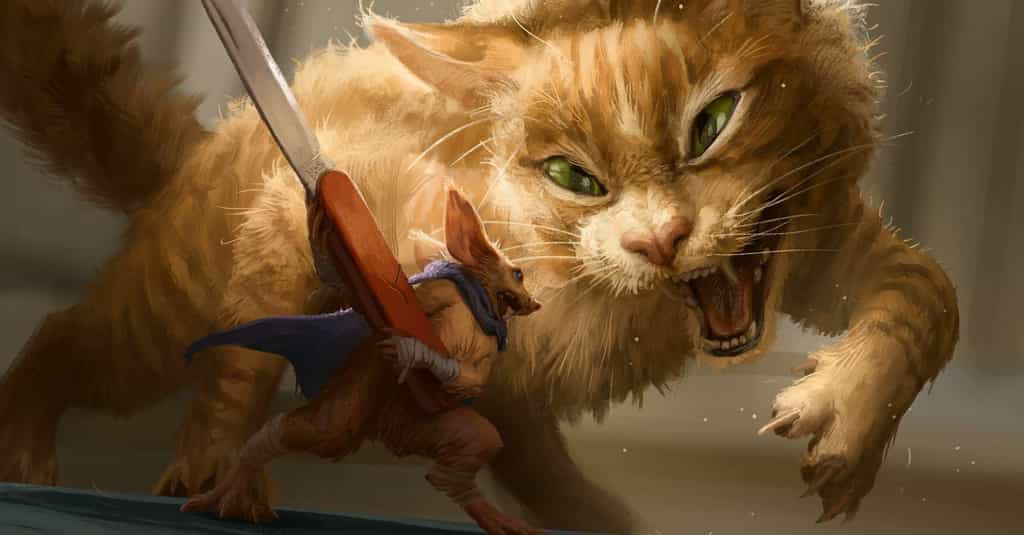
Solo developer Darya Noghani said Small Saga, her turn-based RPG about a mouse who wants to kill god, got a nice uptick in attention after being featured at GDQ as well. “A number of streamers played the game on Twitch, several commenters recommended the game on platforms like Bluesky, and there was a nice uptick in sales,” they said.
But the attention of getting your game run at a GDQ event can come with a price. “You’re in a state of apprehension,” said Noghani. Speedrunners extensively exploit glitches and develop techniques to skip large chunks of gameplay, which might show viewers a less-than-ideal version of the game. “Runners are pushing the game to break in particular ways, and you know this is adjacent to the game just crashing and ruining the run.”
But Noghani also said that the Small Saga run was relatively glitch-free: “I’ll take that as a win.”
Sometimes a runner breaking a game is what the developer had in mind. “Exploits and glitches are something that taps into the nature of game design,” Ceroro said. While the Bat to the Heavens run also didn’t make extensive use of glitches, “A lot of the extreme movement and techniques used in the run are pretty much within bounds of the intended design,” she said.
Ceroro’s also not worried that watching a speedrun of Bat to the Heavens will spoil the game for potential new players. “The speedrun for Bat to the Heavens went by too fast to actually get a good understanding of everything or how the game actually feels, so it’ll be a shock to new players,” she said.
Thanks to GDQ, new players are coming. But while all the developers I spoke to were pleased with the newfound attention and increased sales, they also said the personal achievement of getting their game run at GDQ was just as important.
“It’s been exciting,” said Noghani. “Because GDQ is genuinely well-loved by both players and developers, not just for its charitable causes, but because of the efforts they’ve taken to cultivate an uplifting community.”
GDQ is much beloved in the online gaming community. Over the years, event runners have implemented a top-down approach to diversity and inclusion, hosting several smaller events focused on highlighting streamers from marginalized backgrounds. GDQ has also fostered a community where saying “trans rights” elicits the same kind of enthusiastic response that an OSU alum would get shouting “O-H” in a crowded Columbus bar.
“In the development community, it’s a giant moment,” said Xalavier Nelson Jr., creative director at Space Warlord Organ Trading Simulator developer Strange Scaffold, which has had its games featured in GDQ events. “I got about as many congratulations for appearing on Games Done Quick as I have for getting married. It’s that much of a touchstone — and that positive of an overall event and community.”
Follow topics and authors from this story to see more like this in your personalized homepage feed and to receive email updates.
Editorial Context & Insight
Original analysis & verification
Methodology
This article includes original analysis and synthesis from our editorial team, cross-referenced with primary sources to ensure depth and accuracy.
Primary Source
The Verge