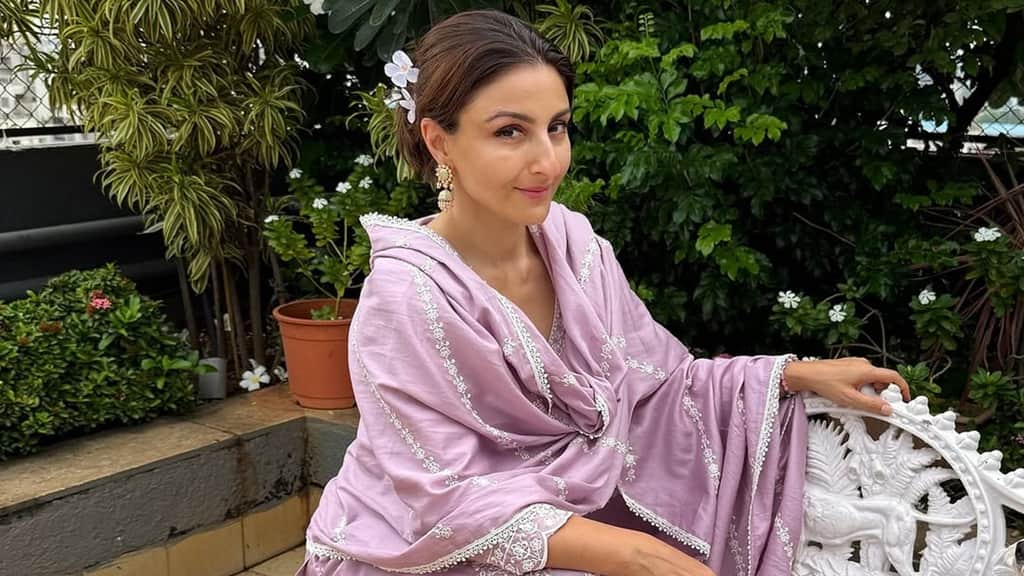
‘Are you trying for a son?’ is a common question floating around an Indian household. It is no secret that Indian societal norms tend to prioritise male children. Recently Bollywood actor Soha Ali Khan opened up about
“Something that still pinches me a little is that even today, in affluent families, well educated families from all backgrounds, there is still an expectation that if you do not have a son, your life is somehow incomplete. I have a daughter and I am very happy. Most people around me are also happy. But there is always that feeling that somehow I am disappointing someone by not having a son,” she told Just Too Filmy in a recent interview.
“This bias can lead to emotional struggles for parents, especially mothers, and perpetuate gender inequality,” said Dr Arohi Vardhan, senior consultant and adult and child and adolescent psychiatrist.
Parents may feel compelled to adhere to cultural practices, even when they conflict with their personal beliefs or modern values. This dynamic often causes friction within families. Dr Vardhan added, “Research in Developmental Psychology indicates that societal pressures can cause parents to project their anxieties onto their children, leading to stricter parenting and reduced emotional freedom.”
Promote Equality: Educate family members about the importance of equal opportunities for boys and girls.
Respect Individual Aspirations: Support personal goals, whether it’s pursuing higher education, starting a career, or exploring hobbies.
Soha and husband Kunal share a daughter together (Source: Instagram/@sakpataudi)
Scheduled Family Time: Dedicate specific times for shared meals or activities to strengthen bonds while allowing personal space.
Conflict Resolution Mechanisms: Address disagreements through active listening and collaborative problem-solving.
Rutuja Walawalkar, Psychologist at Mpower, Aditya Birla Education Trust told indianexpress.com that discussions about family planning frequently focus on age, financial stability, or job security. Although these factors are significant and useful, they may not adequately equip a person for the actual experiences of being a parent. According to Walawalkar, the key aspect is emotional readiness, the capability to care, to adjust, and to develop alongside a child.
“Emotional readiness doesn’t imply having all the answers. It frequently appears in subtle forms: the transition from feeling obligated to have kids to truly wanting them; the readiness to divide duties with a spouse; and the realization that although raising children comes with difficulties, it also provides great happiness and satisfaction,” she elaborated.
In our culture, inquiries such as “When do you intend to have children?” often arise shortly after getting married. Even if these questions aren’t posed with ill intentions, they can come across as invasive and burdensome. Numerous young individuals often make significant life choices influenced by external pressures instead of their personal feelings of preparedness.
As a psychologist, Walawalkar said that she is acutely aware of the effects of these decisions. “Partners who enter parenthood solely because of societal expectations frequently encounter increased stress, conflict, or resentment. Conversely, when the decision is consciously made regardless of whether it occurs early or later in life the transition usually becomes more seamless, healthier, and considerably more fulfilling,” she explained.
Remember, do not let anyone pressure you into taking such crucial decisions.
Editorial Context & Insight
Original analysis & verification
Methodology
This article includes original analysis and synthesis from our editorial team, cross-referenced with primary sources to ensure depth and accuracy.
Primary Source
The Indian Express