Intel, AMD, Nvidia, and other chip companies usually have some kind of news to announce at CES to kick off the year, but some of those announcements are more interesting than others. Sometimes you see new chips with significant speed boosts and other new technologies, and sometimes you get rebranded versions of old silicon meant to fill out a lineup or make an existing architecture seem newer and more exciting than it is.
AMD’s Ryzen CPU announcements this year fall firmly into the latter camp—these are all gently tweaked variants of chips that launched in 2024 and 2025.
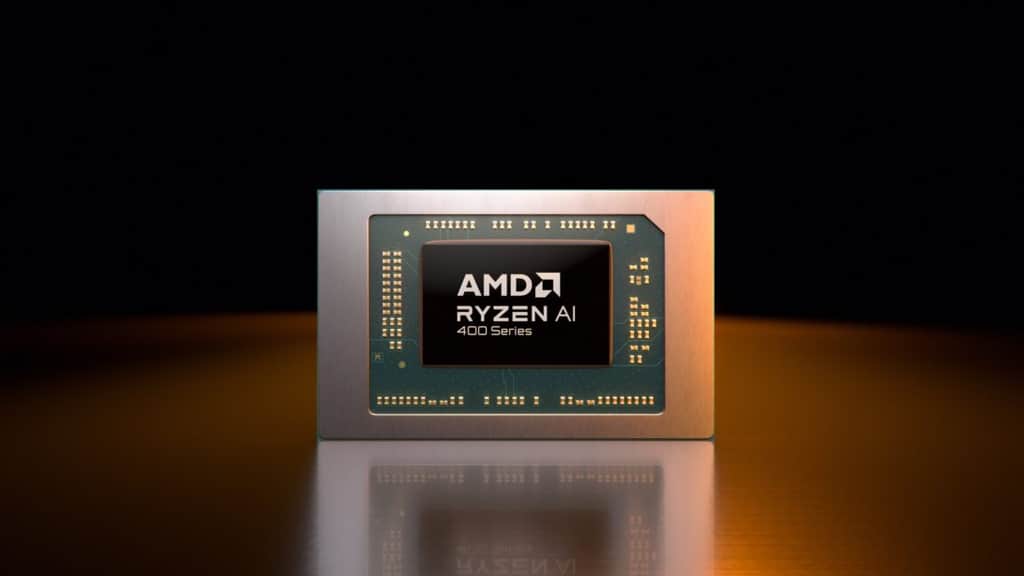
Let’s start with the Ryzen AI 400 series. Officially the follow-up to the Ryzen AI 300 chips announced in June 2024, these processors offer some modest clock speed improvements and faster memory support. The new Ryzen AI 9 HX 470 has a peak boost clock speed of 5.2 GHz and support for LPDDR5x-8533, for example, up from 5.1 GHz and LPDDR5x-8000 for the Ryzen AI 9 HX 370, and its built-in neural processing unit (NPU) is capable of 60 trillion operations per second (TOPS) rather than 50 TOPS.
But beyond those modest tweaks, Ryzen AI 400 chips are constructed from the same building blocks as Ryzen AI 300. They use a combination of high-performance Zen 5 CPU cores and smaller, more efficient Zen 5c cores, between 4 and 16 integrated GPU cores based on the RDNA 3 GPU architecture, and a 4 nm TSMC manufacturing process.
This isn’t new behavior from AMD. A couple of processor generations ago (and one processor naming scheme ago), the company did the same thing with the Ryzen 8040-series laptop chips, sprucing up the older 7040 series with marginally higher clock speeds and not much else. The upshot is that if you can get a decent discount on a Ryzen AI 300 system because it’s “old,” you can buy it without missing much.
Editorial Context & Insight
Original analysis & verification
Methodology
This article includes original analysis and synthesis from our editorial team, cross-referenced with primary sources to ensure depth and accuracy.
Primary Source
Ars Technica