Iran is facing one of its gravest crises in years as protests that began over economic collapse have transformed into a nationwide political uprising. A deadly crackdown, an information blackout and threats of US military action have raised the stakes domestically and internationally. Here are the 10 key takeaways explaining what is happening and why it matters.
The protests began in late December after Iran’s currency collapsed and inflation surged, sharply reducing purchasing power. Rising prices, subsidy cuts and unemployment triggered demonstrations by merchants, students and workers.
What started as economic outrage has evolved into a mass political movement. Protesters are now openly challenging Iran’s clerical leadership, with chants such as “Death to the dictator” directed at Supreme Leader Ayatollah Ali Khamenei.
Demonstrations have been reported in more than 185 cities across all 31 provinces, including small towns and rural areas. Analysts say the geographic spread makes it far harder for security forces to contain the movement.
Human rights groups estimate that at least 190 people have been killed, with some putting the toll much higher. Nearly 10,000 people have reportedly been arrested amid violent confrontations with security forces.
Authorities have imposed a near-total internet shutdown, with connectivity dropping to around one per cent. The blackout has made independent verification of deaths and arrests difficult and raised fears of a harsher crackdown.
Iranian officials have acknowledged economic distress but accuse the United States and Israel of stoking unrest. Police chief Ahmadreza Radan said deaths were caused by “unpaid soldiers of Iran’s enemies,” not security forces.
While initially signalling limited economic relief, the government has toughened its response. The prosecutor general warned of no “leniency” for protesters, while President Masoud Pezeshkian vowed not to let “rioters” destabilise the country.
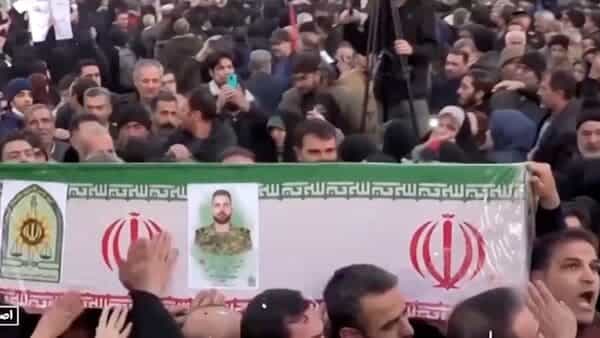
In a show of strength, authorities mobilised tens of thousands of pro-government demonstrators in Tehran and other cities, framing the unrest as an “uprising against American-Zionist terrorism.”
US President Donald Trump has warned of “very strong options” if lethal force is used against protesters, saying the US military is “locked and loaded.” Iran has responded that it is open to diplomacy but “prepared for war.”
The regime enters this unrest in a fragile state, battered by sanctions, a recent war with Israel and strikes on its nuclear facilities. The participation of bazaar merchants and the scale of nationwide anger suggest a deeper challenge to the Islamic Republic than in previous protests.
Editorial Context & Insight
Original analysis and synthesis with multi-source verification
Methodology
This article includes original analysis and synthesis from our editorial team, cross-referenced with multiple primary sources to ensure depth, accuracy, and balanced perspective. All claims are fact-checked and verified before publication.
Primary Source
Verified Source
mint - news
Editorial Team
Senior Editor
David Kim
Specializes in Business coverage
Quality Assurance
Senior Reviewer
Fact-checking and editorial standards compliance