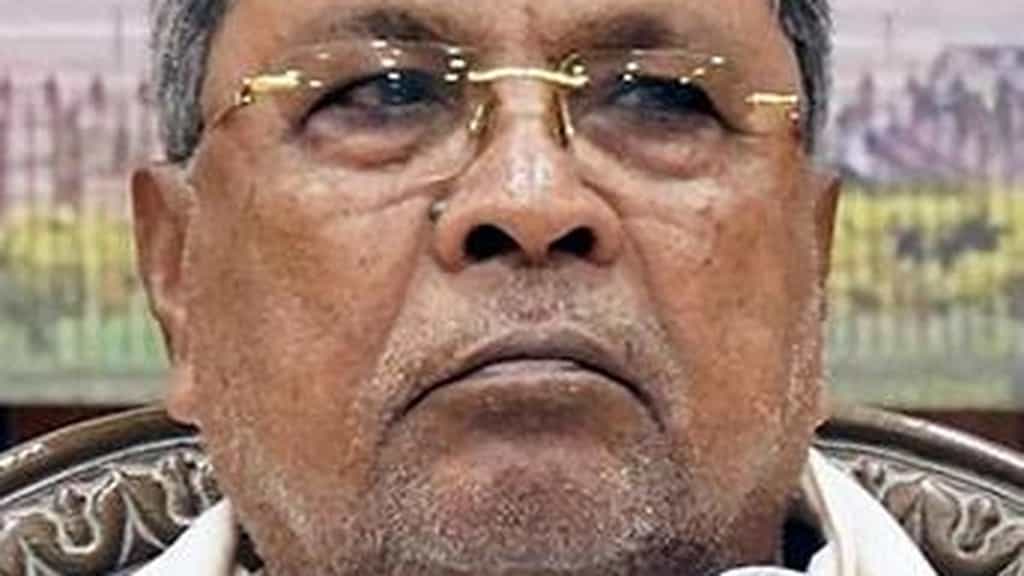
A day after the Karnataka Border Area Development Authority delegation met Kerala Governor Rajendra Vishwanath Arlekar to urge him to reject the Malayalam Bhasha Bill 2025, Karnataka Chief Minister Siddaramaiah on Thursday (January 8, 2026) urged his Kerala counterpart Pinarayi Vijayan to withdraw the Bill to protect the interests of Kannada-speaking linguistic minorities in Kerala.
Terming the Bill as an “attack on the linguistic freedom protected in the Constitution,” he said: “We did not expect that the Communist government in Kerala would crush the basic rights of linguistic minorities. Though administratively Kasaragod belongs to Kerala, it is emotionally connected with Karnataka.”
Commenting on social media platform X, he said that the Kerala government had every right to promote Malayalam, but it should not be at the cost of another language. He warned: “It is the responsibility of our government to protect the rights of Kannadigas. If the Kerala government tries to implement the Bill, Kannadigas will oppose it it in unison and will stand in unity to support Kannadigas of Kasaragod.”
The trigger for the Chief Minister’s statement is the passage of the Malayalam Bhasha Bill 2025 in the Kerala legislature that seeks to make Malayalam mandatory as first language upto class 10 in government and aided schools across Kerala. The delegation from the border area development authority on Wednesday had met the Kerala Governor and petitioned him to reject the Bill by highlighting its impact on Kannada-speaking linguistic minorities.
Fearing that Kannadigas in Kerala, especially in Kasaragod, will lose opportunities to learn their mother tongue if the law was implemented, Mr. Siddaramaiah said: “Kannadigas in Kasaragod are part of Kannada culture and literature and they are no less than Kannadigas of Karnataka. Locals say that 70% of students like to learn in Kannada medium. Mother tongue to a linguistic minority is not just a language but identity. Scientifically it has been proven that the learning is easy in mother tongue. Imposing any other language will not only bring down learning outcomes, but will also result in the death of the language.”
He pointed out that Article 29 and Article 30 of the Constitution provides rights to protect language, script and culture, while Article 350(A) provides right to learnt in their mother tongue at the primary level and Article 350 ensures protection to linguistic minorities.
“In the light of constitutional provisions, no government should make effort to crush the rights of linguistic minorities. Every citizen with a belief in unity in diversity has the freedom to learn in mother tongue.”
Editorial Context & Insight
Original analysis & verification
Methodology
This article includes original analysis and synthesis from our editorial team, cross-referenced with primary sources to ensure depth and accuracy.