Winter turns much of India into beautiful snowy landscapes, but it also blocks access to some of the country’s most remote and dramatic areas. Heavy snowfall, frozen rivers, landslides, and military restrictions make travel impossible in certain regions from November to March. These places are popular in summer or autumn, but winter brings total isolation, even for Indian citizens.
Zanskar valley (Photo: Wikipedia)
Zanskar Valley is one of the most isolated regions in the Indian Himalayas, situated deep within the state of Ladakh. Come winter, the valley becomes completely cut off from the rest of the country as mountain passes like Pensi La close due to heavy snowfall. Road connectivity collapses, and even air access is not an option.
Temperatures plunge to -30°C or lower, freezing rivers and making daily life extremely challenging for both residents and visitors. While the famous Chadar Trek allows limited access by walking over the frozen Zanskar River, general tourism is suspended. For most Indians, Zanskar remains unreachable until late spring.
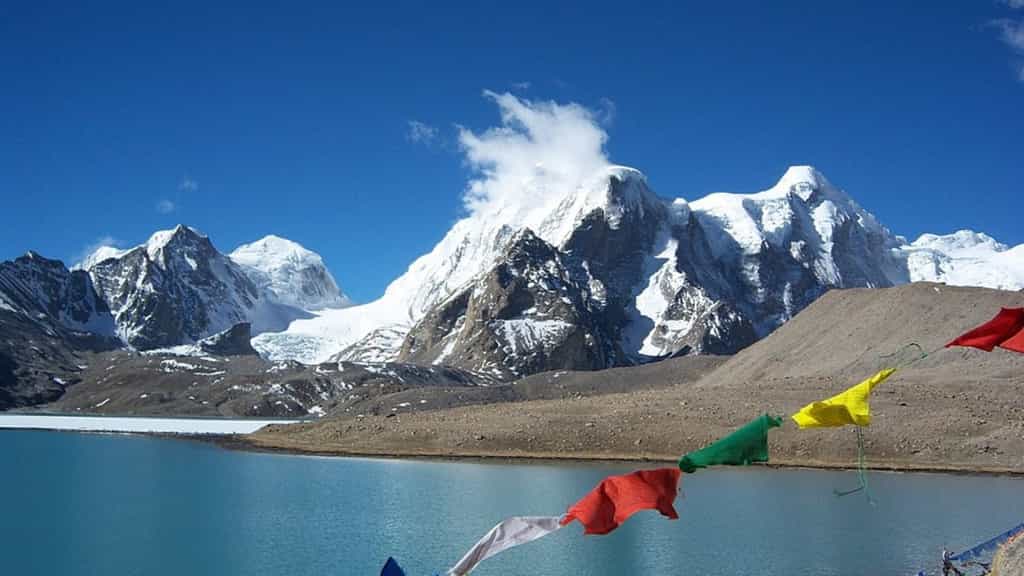
Partially frozen Gurudongmar Lake (Photo: Wikipedia)
North Sikkim is a dream destination in summer, but winter paints a very different picture. Areas such as Gurudongmar Lake, Lachen, and Lachung experience intense snowfall that blocks roads and disrupts military supply routes.
Civilian permits are often suspended, and travel restrictions are imposed for safety reasons. Even locals face prolonged isolation. With icy roads, avalanche risk, and sub-zero temperatures, North Sikkim remains off-limits to tourists from December to March, reopening only as snow begins to melt.
Gurez valley (Photo: Wikipedia)
Gurez Valley, located close to the Line of Control (LoC), is highly sensitive. During winter, heavy snowfall shuts down the Razdan Pass, the only road connecting Gurez to Bandipora and Srinagar.
Temperatures drop sharply, and the region faces long periods of isolation. Movement is restricted not just by weather but also by strategic military considerations. Tourist access is generally suspended, making Gurez unreachable for Indian civilians until spring.
Tawang Monastery (Photo: Wikipedia)
Tawang itself may remain accessible in early winter. Still, its higher-altitude villages and mountain passes, including areas near the India-China border, become inaccessible due to snow and extreme cold.
Roads get blocked, visibility drops, and travel permits are restricted. Landslides and icy conditions make civilian travel unsafe. By late December, many interior areas remain cut off until March, with only military convoys allowed limited movement.
These seasonal closures aren’t arbitrary. They exist to:
Editorial Context & Insight
Original analysis & verification
Methodology
This article includes original analysis and synthesis from our editorial team, cross-referenced with primary sources to ensure depth and accuracy.
Primary Source
The Indian Express