

Key takeaways
- The Trump administration has finalized a plan to address the cybersecurity risks posed by increasingly capable artificial intelligence…
- The Trump administration invited staffers from OpenAI, Anthropic, Google, Meta, Nvidia, and other leading AI companies to the White House…
- The White House will then vet their cyber capabilities according to a classified benchmarking system and share the AI models with federal…
What happened
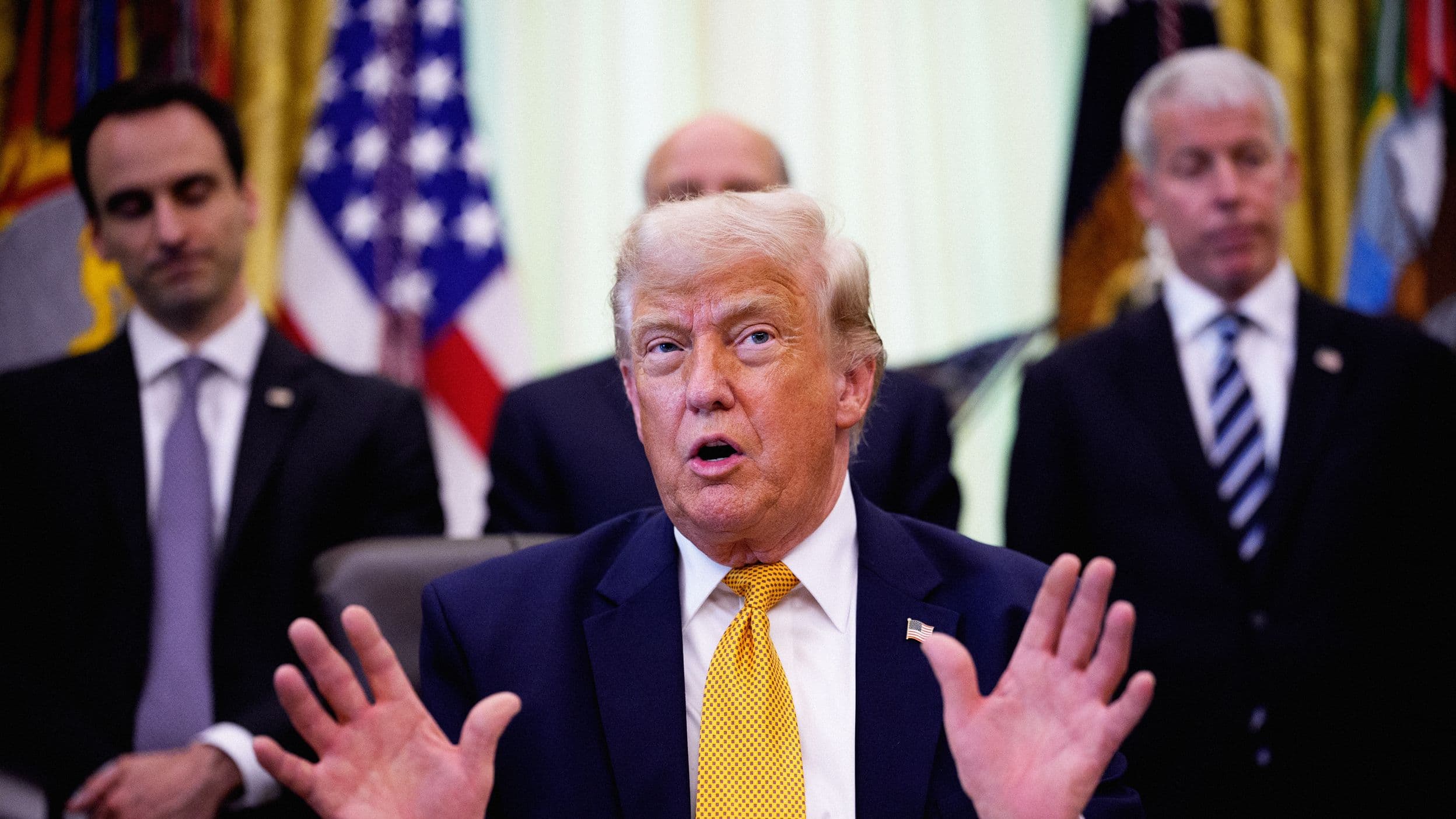
The Trump administration has finalized a plan to address the cybersecurity risks posed by increasingly capable artificial intelligence models, a White House official confirmed to WIRED. But at least for now, it’s deliberately keeping the details under wraps, people familiar with the matter tell WIRED.
In recent months, Trump officials have grown increasingly alarmed about the hacking capabilities of cutting-edge AI systems, which they worry could pose a serious risk to national security. Those fears escalated over the past two weeks when OpenAI and Anthropic said they discovered their AI models had unknowingly bypassed controls and hacked into third-party services during internal testing.
The House Committee on Homeland Security sent a letter to OpenAI CEO Sam Altman last week requesting that he brief lawmakers about how one of the company’s AI agents breached the platform Hugging Face.
“This incident really is a wake-up call for people that agent capabilities have now reached this level,” said Dawn Song, vice president of AI research at Meta, during a panel discussion on Saturday at UC Berkeley, where she is also a professor, referring to the Hugging Face breach. The Trump administration’s new framework is an attempt to strike a balance between promoting competition in the AI industry and maintaining safety.
The executive order notes that it should not be seen as a “mandatory licensing regime,” but critics have argued that the Trump administration’s opaque process has created just that. “The regulations necessary to prevent the catastrophic risks presented by uncontrolled AI and superintelligence should not be voluntary,” says Conor Leahy, executive director of ControlAI, a nonprofit focused on countering AI risks.
Why it matters
The Trump administration invited staffers from OpenAI, Anthropic, Google, Meta, Nvidia, and other leading AI companies to the White House on Tuesday to share an overview of its new AI oversight framework, the people said. AI developers will have the ability to voluntarily submit new models to the federal government up to 30 days ahead of their public release.
The White House will then vet their cyber capabilities according to a classified benchmarking system and share the AI models with federal agencies and trusted corporate partners. The White House isn’t sharing more information about its testing criteria or which AI models will be covered by the framework, though open models will reportedly be excluded, according to Axios.
That has left smaller AI startups, safety advocates, and third-party researchers in the dark about crucial aspects of how the federal government is addressing the cyber risks posed by advanced AI systems. Some argue that the secretive process will give an advantage to larger companies.
“They're essentially creating an entrenchment program for the big AI model providers, which are now considered the most frontier,” says a person familiar with the White House’s discussions with AI labs, who requested anonymity to discuss confidential matters. ” The White House did not respond to requests for comment. The Trump administration may be keeping its AI security framework confidential because of national security concerns. 6.
But some AI safety advocates tell WIRED that any rules AI companies are being held to should be made public to ensure third-party groups can keep them accountable. “This is far too important an issue to be hidden behind a cloak of secrecy,” says Brad Carson, president of the nonprofit Americans for Responsible Innovation and cofounder of the pro-regulation Public First Action super PAC, which has funding from Anthropic.
“This is not a handshake deal with tech companies. It's the rulebook for ensuring they don't endanger the public. ” The oversight framework stemmed from an executive order President Donald Trump signed earlier this year designed to address the cybersecurity risks of new AI models.
What to watch
” For the past year and a half, White House officials have been wrestling with how to mitigate the risks of advanced AI without stifling American innovation or ceding ground to China. President Trump returned to office promising to take a hands-off approach to AI, but his administration has shown a growing willingness to intervene on the issue.
In June, for example, it took the unprecedented step of placing temporary export controls on Anthropic’s most advanced AI models over cybersecurity concerns. The decision prompted Anthropic to take its models offline altogether until it could reach an agreement with the Trump administration. 6, in response to a request from the White House.