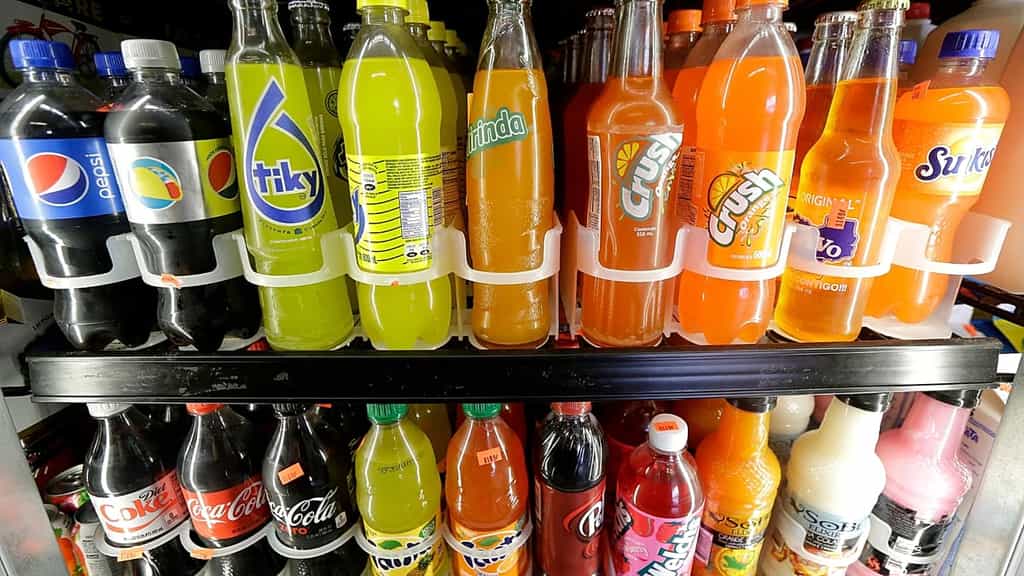
Governments need to raise taxes on sugary drinks and alcohol to reduce rising rates of obesity, diabetes, heart disease, cancer, and injuries, according to new reports from the World Health Organization (WHO).
In two reports released on Tuesday, the WHO warned that low taxes that are not in line with inflation are allowing these products to remain affordable, while health systems struggle to cope with diseases that could be prevented.
Taxes on alcohol and sugar-sweetened drinks are one of the most effective tools that governments have to reduce consumption, the WHO argues, because higher prices can reduce, delay, or even prevent alcohol and sugar consumption entirely.
“Health taxes are one of the strongest tools we have for promoting health and preventing disease," said Tedros Adhanom Ghebreyesus, the director-general of the WHO.
"By increasing taxes on products like tobacco, sugary drinks, and alcohol, governments can reduce harmful consumption and unlock funds for vital health services.”
The reports come as WHO urges countries to raise and redesign taxes as part of its new initiative, which aims to increase the real prices of tobacco, alcohol, and sugary drinks by 2035.
The findings are based on an analysis of prices and tax levels for beer, spirits, and sugar-sweetened beverages in more than 150 countries in 2024, alongside a review of tax policies in around 180 countries. The WHO also compared the 2024 data with figures from 2022 to track changes over time.
Alcohol consumption is one of the leading worldwide risks for over 200 health conditions, such as cancer, and many behavioural problems, including depression, anxiety, and alcohol-use disorders. Over 2.6 million people die from alcohol-related conditions every year, the WHO said.
More than 160 countries tax alcoholic beverages, either based on the drink’s price or on its alcohol content. In some countries, alcohol is also subject to general sales taxes that raise the prices of all goods.
However, the WHO found that beer and spirits have either become more affordable or stayed at the same price since 2022, because tax rates are not regularly adjusted to keep in line with inflation.
Fewer than one in four countries with alcohol taxes routinely update their tax rates, so inflation erodes their impact and makes alcohol cheaper over time.
Globally, beer is taxed at an average rate of 14 percent of its total price, while spirits are taxed at 22.5 percent. A typical 330-millilitre (ml) beer costs $2.47(€2.10), and only $0.52 (€0.44) of this amount is taxed. A 750 ml bottle of spirits costs on average $22.67 (€ 19.28), with $6.44 (€5.48) being taxed.
At least 25 countries globally, mostly European, do not tax wine, despite what the WHO described as “clear health risks,” including a higher cancer risk in women who consume more than 1.5 litres of wine per week.
Only 28 countries earmark the revenue from alcohol taxes for prevention and treatment, such as alcohol-control programmes, public health campaigns, or healthcare system funding.
Sugar-sweetened beverages (SSB), such as fizzy drinks or fruit juices, increase the risk of obesity, dental cavities and several chronic diseases, such as cancer, diabetes, and heart issues, according to the WHO’s Eastern Mediterranean office.
These drinks are among the leading sources of sugar intake in many countries and have little or no nutritional value, the organisation added.
While 116 countries do tax some sugary drinks, such as fizzy and energy drinks, most do not tax other high-sugar products, including fruit juices, sweetened milk drinks and premade coffees and teas.
Sugary drinks are either taxed on their overall price or the drink’s size, the WHO analysis found.
Less than one in four countries taxes drinks based on how much added sugar there is, despite WHO recommendations that sugar-based taxes are more effective, because it would encourage customers to switch to low or sugar-free options.
Taxes add an additional 2 percent to the price of a sugary drink. Globally, a typical 330ml bottle of soda costs $1.56 (€1.33), with only $0.15 (€0.13) of that in taxes.
Nearly half of the countries that tax sugary drinks also tax bottled water, a practice the WHO discourages, saying that healthy alternatives should remain affordable.
Of the 116 countries that apply taxes to sugary drinks, only 10 earmark their tax funds for health programmes.
“More affordable alcohol drives violence, injuries and disease,” said Etienne Krug, director of WHO’s department of health determinants, promotion and prevention.
“While industry profits, the public often carries the health consequences and society the economic costs,” he added.
Editorial Context & Insight
Original analysis and synthesis with multi-source verification
Methodology
This article includes original analysis and synthesis from our editorial team, cross-referenced with multiple primary sources to ensure depth, accuracy, and balanced perspective. All claims are fact-checked and verified before publication.
Primary Source
Verified Source
Latest News From Euronews | Euronews RSS
Editorial Team
Senior Editor
Fatima Al-Hassan
Specializes in World coverage
Quality Assurance
Associate Editor
Fact-checking and editorial standards compliance