


Key takeaways
- The Gates Foundation plans to spend at least a billion dollars over the next two years to widen access to AI in health, education, and…
- Co-founder Bill Gates says he's worried that AI could widen the global gap between rich and poor, depending on how it spreads.
- " The money will go toward tools for workers in education, health care, and farming, Gates says.
What happened
The Gates Foundation plans to spend at least a billion dollars over the next two years to widen access to AI in health, education, and agriculture. Bill Gates warns that without it, the technology will only deepen the gap between rich and poor. The Gates Foundation plans to spend at least a billion dollars over the next two years on better access to artificial intelligence.
At clinics in Kenya's Penda Health network, an AI assistant helps medical staff with diagnosis and drug dosing, and diagnostic accuracy has risen by 16 percentage points. 7 years in an eight-week pilot. India's MahaVISTAAR AI advisory service for farmers already reaches more than 740,000 people and costs the government less than 18 cents per person. The billion dollars is part of a much larger plan.
Why it matters
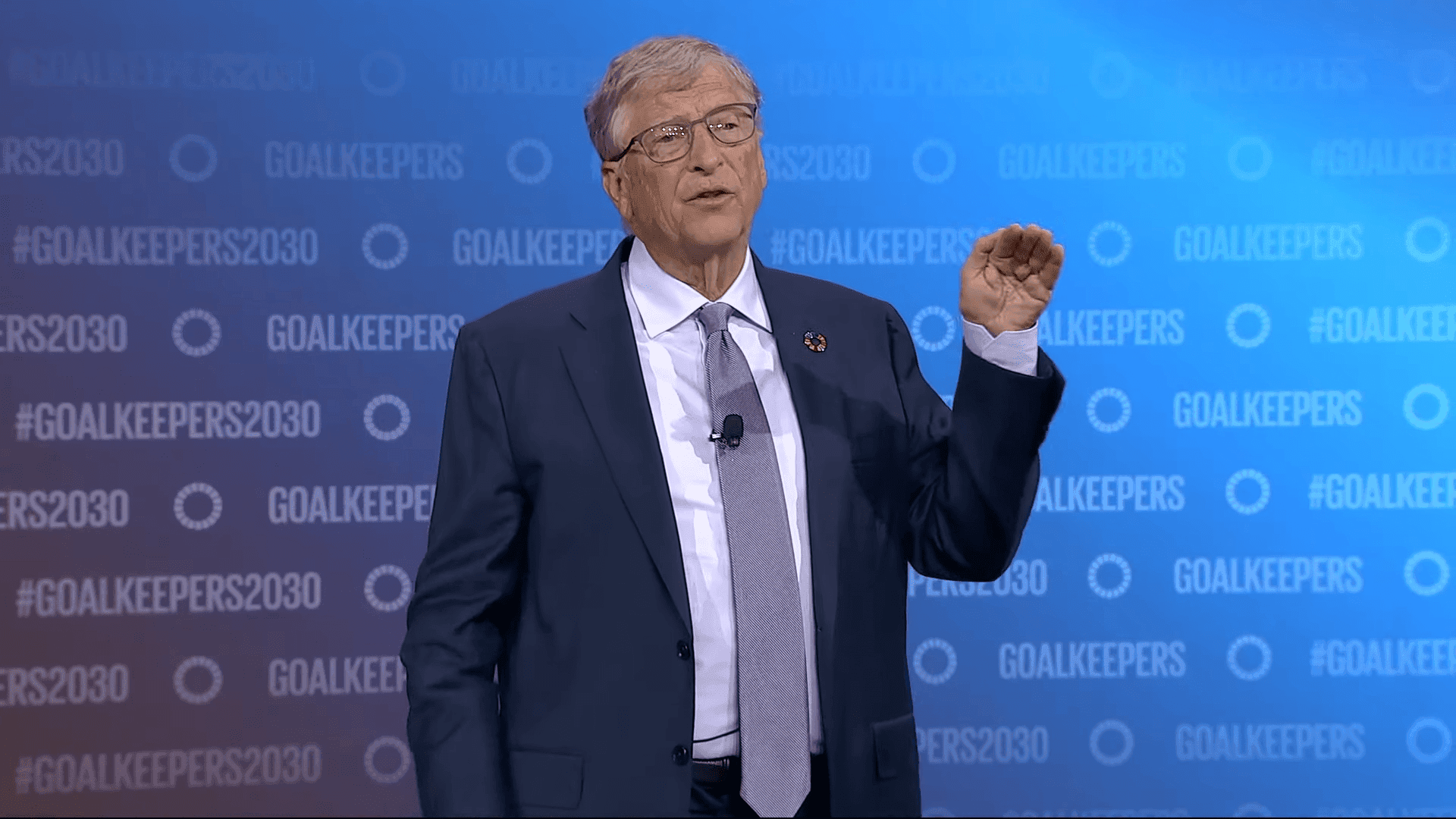
Co-founder Bill Gates says he's worried that AI could widen the global gap between rich and poor, depending on how it spreads. "AI could be a great equalizer - or widen the gap," Gates writes in the foundation's 2026 Goalkeepers report. "This is not a long-range prediction. " The next year and a half will decide which way things go, Gates argues.
" The money will go toward tools for workers in education, health care, and farming, Gates says. Part of it is set aside to fold non-English sources into large datasets, so developers can work in other languages too. Gates makes language the core of his argument: More than 90 percent of the data used to train early large language models came from English sources.
That leaves the very people who could gain the most from AI barely represented in what these systems know. For about a billion mostly English-speaking users, AI gets better every month. For the other seven billion, nothing moves. In English, the error rate for leading speech recognition systems sits below 6 percent. In Yoruba, a West African language, the same system fails more than 60 percent of the time.
A bad translation can mean the difference between life and death in a medical emergency, he argues. The market won't fix this on its own, Gates argues. " Leave development to the market, and the most capable tools get built first for the people who can pay. The report cites several projects already running that are meant to back this approach.
What to watch
The Gates Foundation aims to spend around 200 billion dollars before it shuts down in 2045, which Bloomberg says amounts to 99 percent of Gates' remaining fortune. Not long ago, Gates struck a far darker tone in an essay of nearly 6,000 words, accusing the tech industry of knowingly downplaying the technology's risks because too much money is on the line.
He named lasting job losses, the misuse of AI to build bioweapons, and the psychological toll of always-available AI companions as real dangers. The Goalkeepers report now shows the other side of that argument, with Gates presenting the same technology as an enormous promise, as long as its benefits are won through policy rather than left to chance.