

Key takeaways
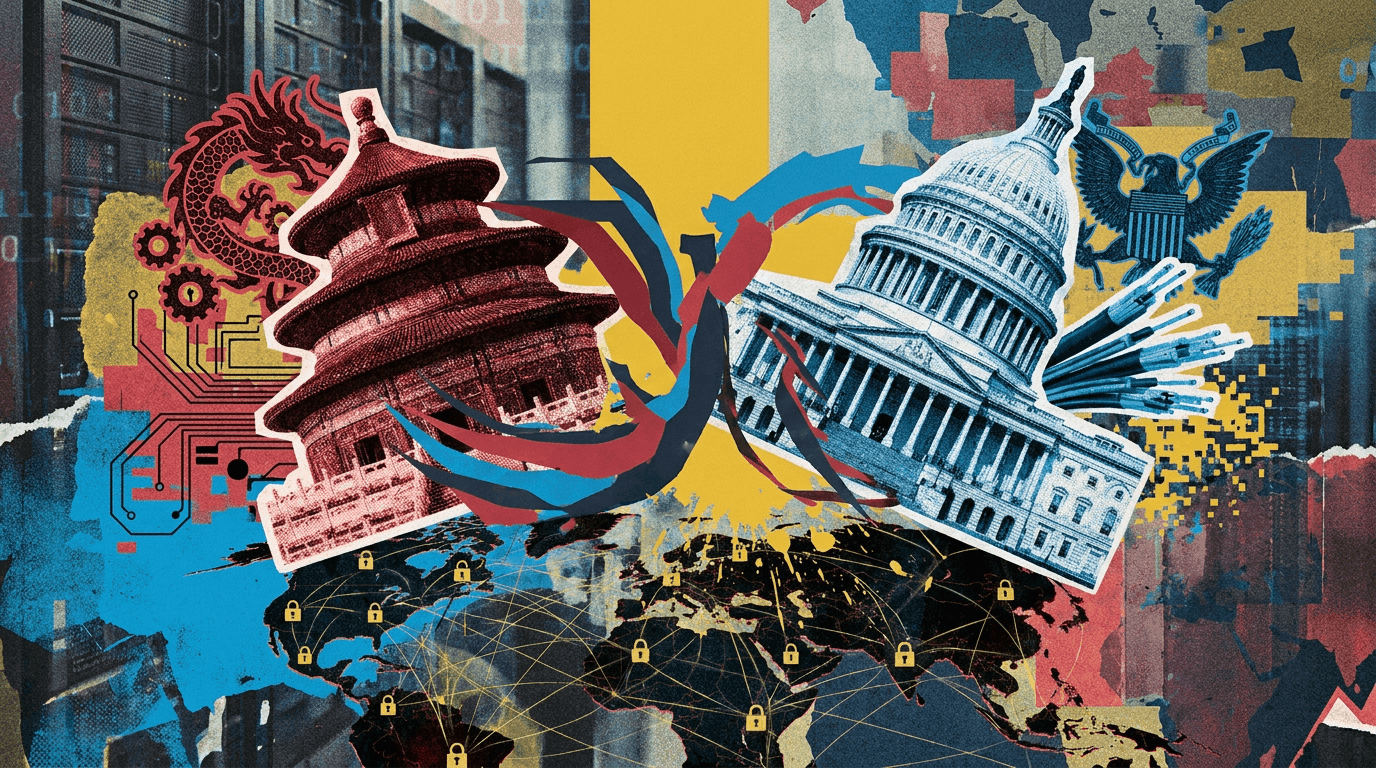
- The Trump administration considered sanctions and trade bans targeting Chinese open-source AI models, according to the New York Times.
- The paper cites more than half a dozen current and former government and industry officials.
- After an outcry from Silicon Valley, the administration shifted course and is now focused on making American models more competitive, the…
What happened
The Trump administration considered sanctions and trade bans targeting Chinese open-source AI models, according to the New York Times. After pushback from Silicon Valley, it backed off for now. According to reporting by the New York Times, White House Chief of Staff Susie Wiles, Treasury Secretary Scott Bessent, and Commerce Secretary Howard Lutnick spent recent weeks debating whether the government should intervene far more aggressively in the open-source AI market.
Open models speed up innovation and cyber defense. Nvidia CEO Jensen Huang became the face of that resistance. On July 24, he wrote his first-ever post on X to defend open models. Nvidia also launched an alliance for open security tools that grew from a handful of members to more than 230.
The company argued that progress in Chinese open-weight models isn't a case against openness but rather a reason for a national framework. Anthropic declined to comment, though CEO Dario Amodei has laid out his position on open source in a previous post. The NYT has a pending copyright lawsuit against OpenAI and Microsoft.
Why it matters
The paper cites more than half a dozen current and former government and industry officials. Five of those sources said the options on the table included sanctions, a trade blacklist targeting Chinese makers of open models, and even a ban on US cloud companies doing business with those firms. Officials also discussed which models federal agencies should be allowed to use and whether the Commerce Department should impose new rules.
After an outcry from Silicon Valley, the administration shifted course and is now focused on making American models more competitive, the NYT reports. The push came after a wave of powerful Chinese models, led by Kimi K3 from Moonshot AI, which matches top US models in several areas. " Bessent floated sanctions the same day.
OpenAI and Anthropic, which keep their models closed, pushed for restrictions on Chinese rivals by citing national security concerns, according to the report. At Nvidia, Microsoft, Google, and Meta, executives grew worried that the two AI companies, both planning IPOs, could convince the White House and lock in their market position. Through private messages, phone calls, and video conferences, the tech giants built a counter-argument, the NYT says.
What to watch
Christopher Padilla, a former Commerce Department official, described the dispute in the NYT report as a "cage fight over the future of the AI industry," saying it's mostly about money and market power, with the security angle tacked on. Industry officials don't expect any hard measures before Xi Jinping's visit in September. OpenAI told the paper that both open and closed models have a role to play.