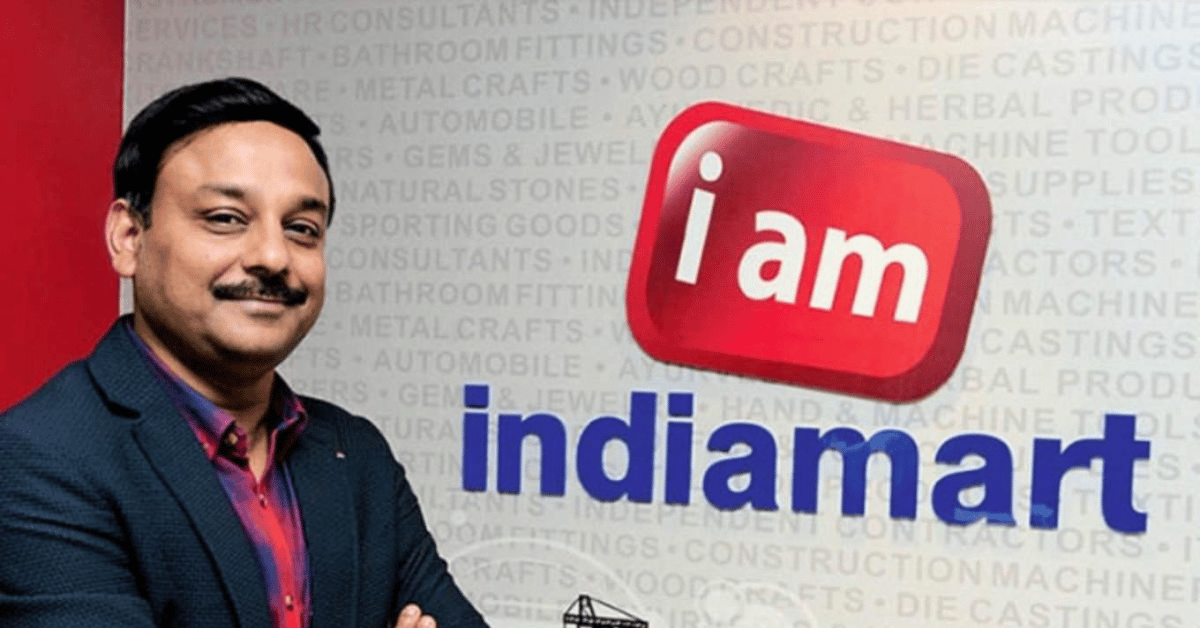
IndiaMART has moved the Calcutta High Court against OpenAI, alleging that its website and listings have been excluded from responses generated by ChatGPT
The company also alleged unfair discrimination, trade libel, dilution of its trademark, and unlawful interference with its business. It argued that ChatGPT is increasingly being used by users to discover suppliers and products, and being left out of such responses directly affects its business
The B2B marketplace claimed that OpenAI relied on reports prepared by the Office of the United States Trade Representative (USTR) to justify the exclusion. IndiaMART said it was named in these reports without being given a chance to respond and called OpenAI’s reliance on them arbitrary and without legal basis.
Justice Ravi Krishan Kapur observed that IndiaMart appeared to have been selectively discriminated against, especially since other platforms named in USTR reports continue to appear on ChatGPT.
The HC has listed the matter for further hearing on January 13, 2026 as OpenAI and the other respondents were unrepresented despite service. Bar and Bench was the first to report the development.
The case comes at a time when the Indian government is working on a broader framework to address how AI models use copyrighted content. Earlier this month, the Department for Promotion of Industry and Internal Trade (DPIIT) released a working paper proposing a new licensing regime for AI training data.
Under the proposal, AI companies like OpenAI would be allowed to train their models on copyrighted content through a single, blanket licence. In return, they would be required to pay royalties to copyright holders once the AI models begin generating revenue. A central body would be set up to collect and distribute these royalties.
The proposal aims to address growing concerns from media houses, publishers and creators who have accused AI firms of using copyrighted material without consent.