


Key takeaways
- Leading US AI labs such as OpenAI and Anthropic are releasing cheaper models as they fight to retain cost-conscious customers who are…
- 6 Luna, its “fastest and most affordable model”, by 80 percent.
- Tokens are the units of data processed by language models and are used to calculate many customers’ bills.
What happened
Leading US AI labs such as OpenAI and Anthropic are releasing cheaper models as they fight to retain cost-conscious customers who are switching to cut-price alternatives from Chinese rivals. The price war comes as rising AI bills push companies to curb usage and seek cheaper models, helping Chinese developers including Moonshot and DeepSeek make inroads with users from Silicon Valley to Europe.
AI labs offer a range of models with different capabilities and prices, with costs varying further according to the version of a model and the “effort” settings used. Customers are typically charged for input tokens, used to measure data fed into a model, and output tokens, which measure what it generates in response.
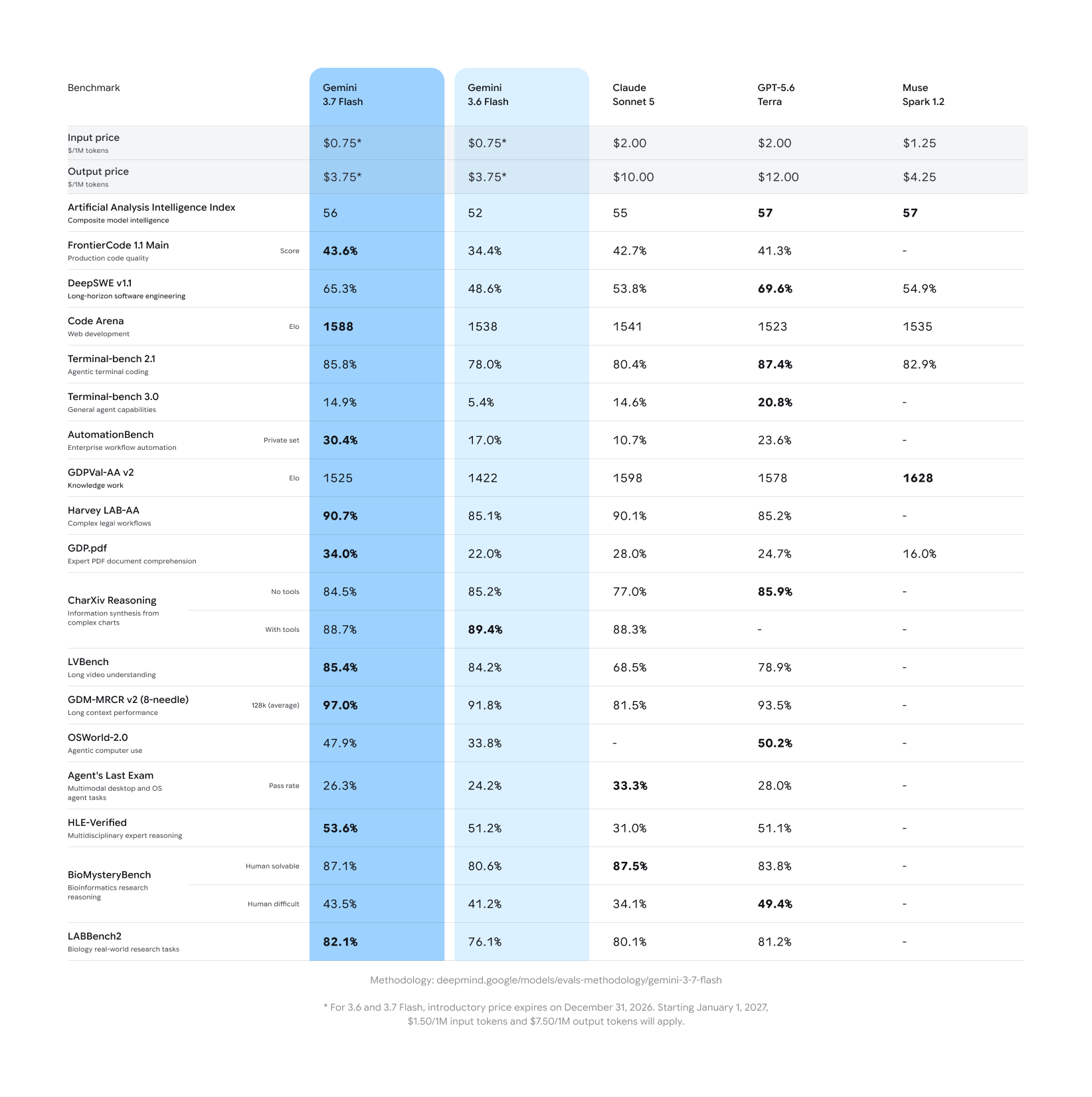
The latest price cuts from US labs apply to mid-tier products and make them more competitive with Chinese offerings. 20 per million output tokens. Anthropic launched Opus 5 at $5 per million input tokens and $25 per million output tokens—half the price of its Fable 5 model.
This week, the company called off a planned rise in prices for its Sonnet 5 model, which had been due to take effect from September. Headline token prices do not provide a straightforward comparison between AI models, however.
Why it matters
6 Luna, its “fastest and most affordable model”, by 80 percent. Anthropic has launched Claude Opus 5, touting the system’s “frontier intelligence… at half the price” of Fable 5, the company’s most capable model. The moves have helped decrease prices that customers are paying for models from leading US labs by almost a quarter since mid-July, according to Silicon Data’s token price index.
Tokens are the units of data processed by language models and are used to calculate many customers’ bills. The cuts mark a shift for US AI groups that make proprietary “closed” models that have, until now, competed heavily on performance. Increasingly capable “open” Chinese models—which can be freely downloaded and tweaked by developers—have contributed to pressure on prices.
The moves also come as OpenAI and Anthropic plot initial public offerings at trillion-dollar valuations while investors seek evidence that the industry’s vast spending on AI can generate returns. Corporate AI users face cost pressures as Anthropic and OpenAI shift some enterprise customers away from flat subscriptions and toward usage-based billing, under which companies pay according to the computational resources they consume.
Some businesses have responded to a rise in bills by imposing caps on AI usage or testing cheaper alternatives. Companies such as DoorDash and Airbnb have said they have started to use Chinese-made models in an effort to rein in bills.
That shift has coincided with a flurry of releases from Chinese labs that have narrowed the performance gap with leading US models, raising concerns in the US tech industry that American developers could lose customers even as they spend heavily to maintain their technological edge.
What to watch
More capable models can sometimes complete a task using fewer tokens or with fewer attempts, meaning a model that appears more expensive based on the headline price of tokens can ultimately cost less. Additionally, most can operate at different “effort” settings, which vary the computing power used to answer a question and can affect both performance and the ultimate cost of completing a task.
Artificial Analysis, which benchmarks models across areas including math, science, coding, and reasoning, found Anthropic’s Opus 5 at “medium” effort delivered similar performance and cost per task to Moonshot’s Kimi K3 at “max” effort. 6 Luna at “max” effort performed similarly to DeepSeek’s V4 Flash at “max,” but cost just under twice as much per task. Anthropic and OpenAI declined to comment. ”