

Key takeaways
- An AI tool is set to start advising air traffic controllers on managing air traffic in the congested airspace above the Washington, DC…
- The FAA describes the SMART system as using AI models to predict air traffic flows and identify potential conflicts based on operational…
- The decision to launch SMART in limited scope before going nationwide is the “right call,” said Philip Mann, principal consultant at Vector…
What happened
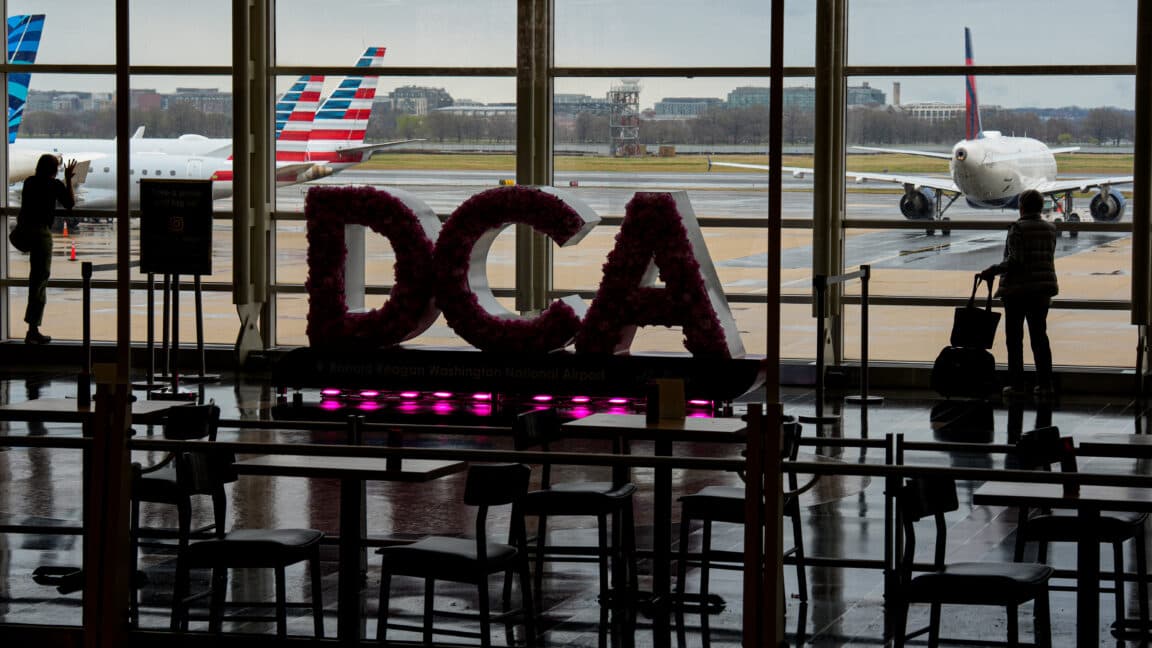
An AI tool is set to start advising air traffic controllers on managing air traffic in the congested airspace above the Washington, DC, area. The expected launch would be the first step toward a planned nationwide rollout covering the 29 million square miles of US national airspace overseen by the Federal Aviation Administration.
By comparison, generative AI models—such as the large language models powering popular AI chatbots—generate outputs that can change every time and may also be inaccurate. Ars reached out to the FAA for comment. Mann wants to know whether the SMART rollout is still limited to managing aircraft flying at 24,000 feet and above, as the FAA described in June.
In that case, the system’s software would be handling “cruise traffic transiting that airspace, plus the climbs and descents feeding the metro airports,” Mann explained. “What I will be watching is what evidence gates the next expansion: performance under real workload and degraded data rather than demonstration conditions, and a written answer to who owns the outcome when a prediction is wrong,” Mann told Ars.
The government’s plan to launch AI-assisted air traffic management comes as the FAA manages a multi-billion-dollar effort to upgrade aging equipment that supports air traffic control and management. The agency has just started replacing hundreds of radar systems dating back to the 1980s, along with radios, telecommunication lines, and the voice switches that connect calls between air traffic controllers and pilots, Mann pointed out in a Substack post.
The first trial run for the AI tool also comes as the FAA has been grappling with a decades-long shortage of air traffic controllers after President Ronald Reagan fired more than 11,000 controllers in 1981. Since that time, the air traffic controller workforce has operated in a “permanent crisis,” with minimum staffing levels, according to Mann.
Why it matters
The FAA describes the SMART system as using AI models to predict air traffic flows and identify potential conflicts based on operational factors like airline schedules, weather, airport capacity, and airspace conditions. US government and industry officials told The Wall Street Journal that SMART could debut for the three major airports in the Washington, DC, area as soon as Monday, September 21.
The decision to launch SMART in limited scope before going nationwide is the “right call,” said Philip Mann, principal consultant at Vector Strategic Consulting LLC, where he advises on aviation safety and AI governance. Mann previously worked at the FAA in multiple roles for 17 years.
“SMART’s risk was never any single prediction—it is a national-scale system with AI components carrying more unknowns than anything the FAA has fielded,” Mann wrote in an email to Ars. ” The AI-driven forecasts and recommendations are meant to give the FAA, airlines, and aircraft operators the same shared view of operational conditions so that they can agree on the most efficient routes and departure times.
The goals of SMART include reducing aircraft fuel burn, improving on-time performance for flights, and speeding up recovery from weather and air traffic congestion events. However, the airline industry was reportedly confused for weeks about the agency’s plans to deploy the AI tool, according to Politico.
Anonymous airline officials told Politico that their concerns only eased after the FAA said the SMART AI tool would not change any procedures for air traffic controllers or airlines, and would instead produce “alternative route information” that is made available through existing FAA systems. SMART is part of an $875 million, 12-year contract awarded to the Boston-based company Air Space Intelligence in June.
The contract also covers development of a Flow Management Data and Services system meant to replace the current system in the FAA’s Air Traffic Control System Command Center in Virginia. ” Air Space Intelligence claims its separate Flyways AI platform already helps manage over 40 percent of all US air traffic through partnerships with customers like Alaska Airlines.
That platform incorporates a 4D digital twin of US national airspace to help predict air traffic and weather conditions. It is unclear what types of AI models are being used in the new SMART system. Older deterministic AI models follow predefined rules and logic to consistently produce the same output every time, whereas machine-learning models can statistically analyze patterns to make predictions based on the probabilities at hand.
What to watch
Attempts to hire more air traffic controllers have fallen short, and the overall workforce declined by 6 percent over the past decade, according to a US Government Accountability Office report published in December 2025. Recruitment efforts were complicated by government shutdowns in 2013 and 2018–2019 that froze hiring and training, along with training restrictions associated with the COVID-19 pandemic.
In 2025, the FAA was among many federal agencies that saw hundreds of new probationary hires get laid off by Elon Musk’s so-called Department of Government Efficiency (DOGE) team at the start of the second Trump administration.