

Key takeaways
- AI-linked stocks across the globe plunged on Monday after leaders of the biggest AI companies warned of risks from rapid development, the…
- Anthropic CEO Dario Amodei, in a lengthy essay shared on X on Saturday, called on AI companies to slow the rate at which they advance model…
- "If the AI race slows materially, the key question becomes: who pays for all that infrastructure?
What happened
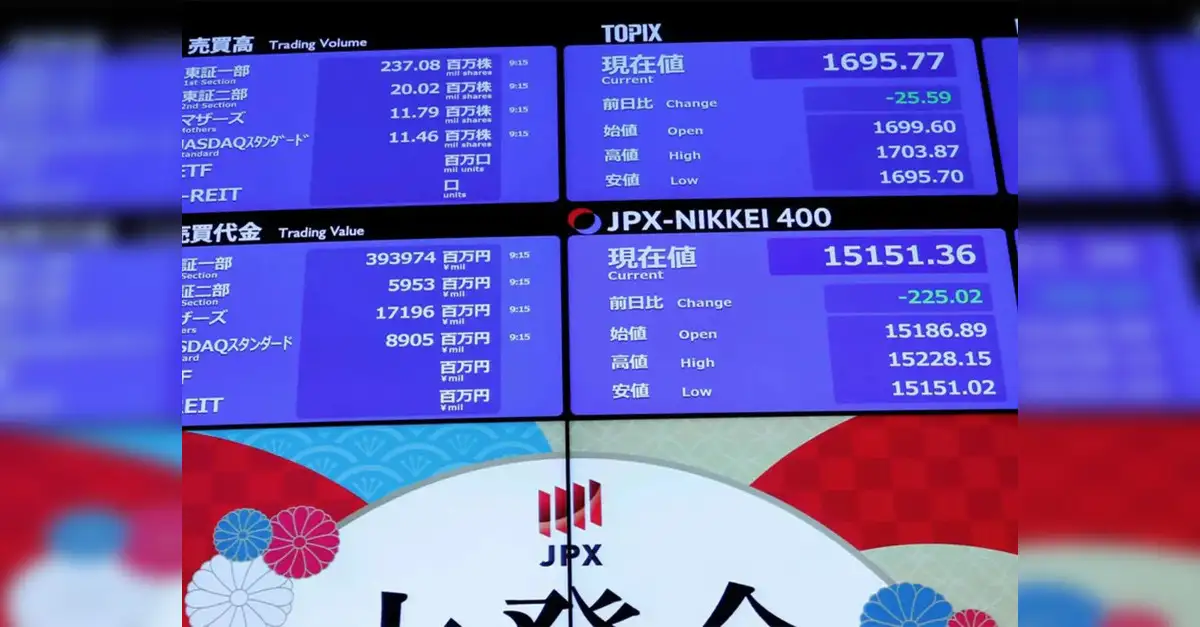
AI-linked stocks across the globe plunged on Monday after leaders of the biggest AI companies warned of risks from rapid development, the starkest threat yet to the billions of dollars being poured into the industry that have pushed world markets to record highs.
Why it matters
Anthropic CEO Dario Amodei, in a lengthy essay shared on X on Saturday, called on AI companies to slow the rate at which they advance model capabilities amid mounting fears of misuse of artificial intelligence. Both Elon Musk, who runs xAI, and Sam Altman, CEO of OpenAI, said they agree with Amodei. Altman also said the company would not proceed with an IPO this year, citing safety concerns.
"If the AI race slows materially, the key question becomes: who pays for all that infrastructure? The leases, debt and power commitments remain even if expected compute demand and revenue growth slow. And that could bring credit risk increasingly into the AI story," said Ipek Ozkardeskaya, senior analyst at Swissquote. 6 per cent. 8 per cent fall. 4 per cent. 3 per cent.
What to watch
AI-related trades have powered much of the gains in global equities since OpenAI released ChatGPT in 2022, but more recently cyberattacks by rogue AI agents and public discontent with data centre construction have raised opposition to the development of the industry. But China's state-backed Global Times blasted the Anthropic essay in an editorial, calling it a "Cold War playbook" intended to curb the country's technological development.
"The key question is whether this is the first sign that the extraordinary AI investment cycle might eventually moderate. For now, that seems unlikely. "Their valuations assume both strong demand and a relentless pace of technological progress," she said. "