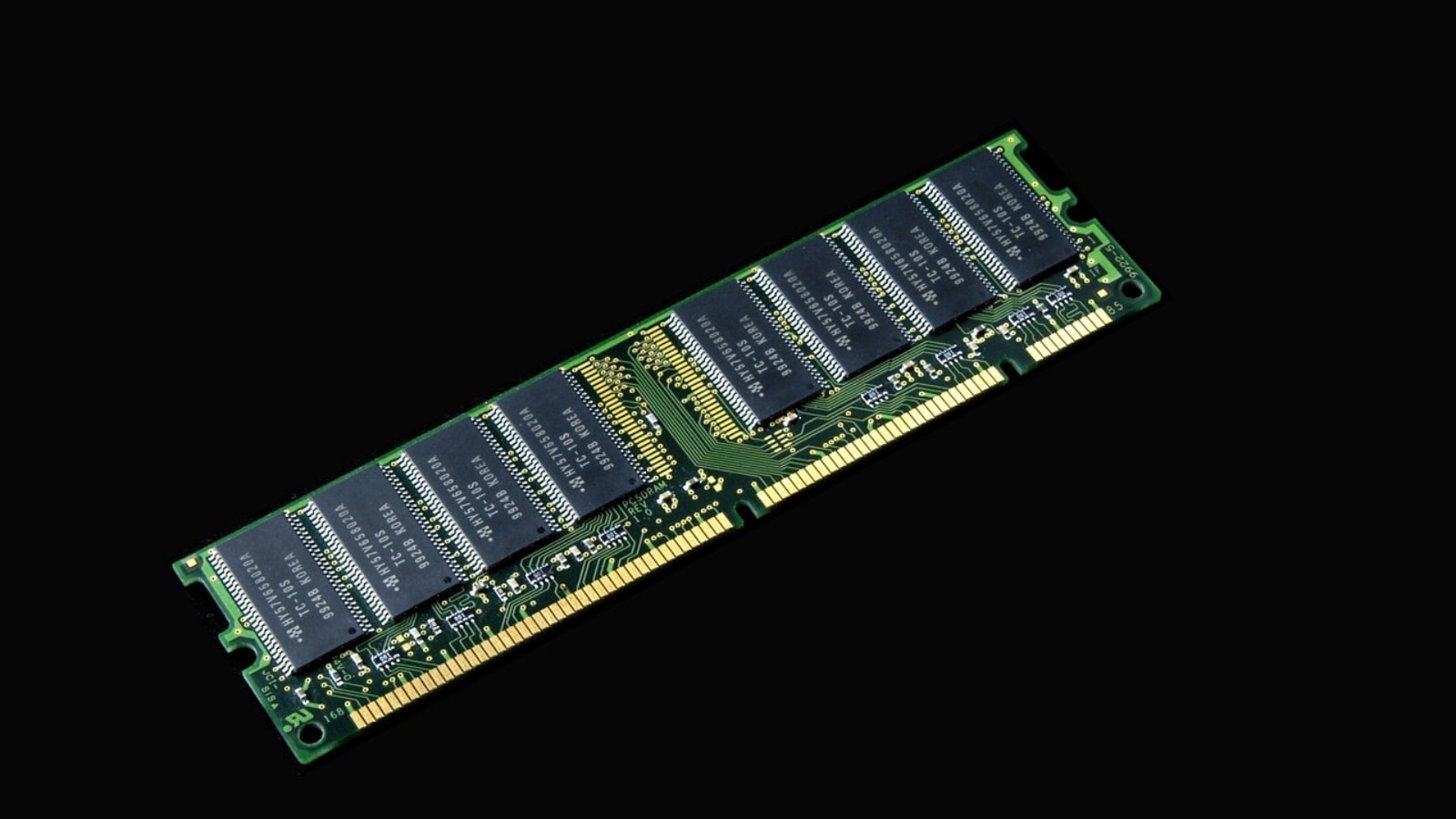
The rumour claimed that Asus would start making its own RAM chips to meet internal demand. (Image Source: Pixabay)
The RAM and SSD shortage is upon us, driven largely by AI companies building up massive supplies for their data centres. The price of RAM has quadrupled in the last couple of months, and manufacturers like Micron have shut down their consumer-facing brand, Crucial, to focus on the more profitable enterprise segment.
Recently, rumours had it that PC maker Asus will be entering the DRAM memory manufacturing business, with its first chips entering production as early as next year if memory prices don’t return to normal.
Now, a machine-translated report by the Taiwanese publication CNA has ruled out any possibility of the PC maker entering the DRAM business. In a statement, Asus said that it has “no plans to invest in memory fabs.”
To those unfamiliar, DRAM – short for Dynamic Random Access Memory- is a type of memory that is used in everything from PCs to laptops to smartphones.
A company spokesperson also told the agency that Asus will work on deepening its relationship with memory suppliers and “respond to market supply and demand conditions by adjusting product specifications and optimizing product life cycle cycles.”
While Asus does have the money to invest in memory fabs, analysts claim that it would take at least 2 years to pour money in the construction of a memory factory before it can start manufacturing. This means Asus, even if it is willing to, won’t be able to solve the current memory crisis.
Asus Co-CEO Hu Shu-bin told the Taiwanese publication that every company operates on a different schedule and that manufacturers will eventually have to “reflect costs in pricing,” which means you will have to shell out a lot more money to get PCs with more RAM.
Some reports have hinted that the memory crunch will last at least for a couple of years, while others paint a more positive picture, saying that the shortage will be over in a year or so. Interesting, memory vendors like Samsung, SK Hynix and Micron, which have a total of more than 90 per cent of the market share, are not looking to increase production and are instead earning an unusually high margin.