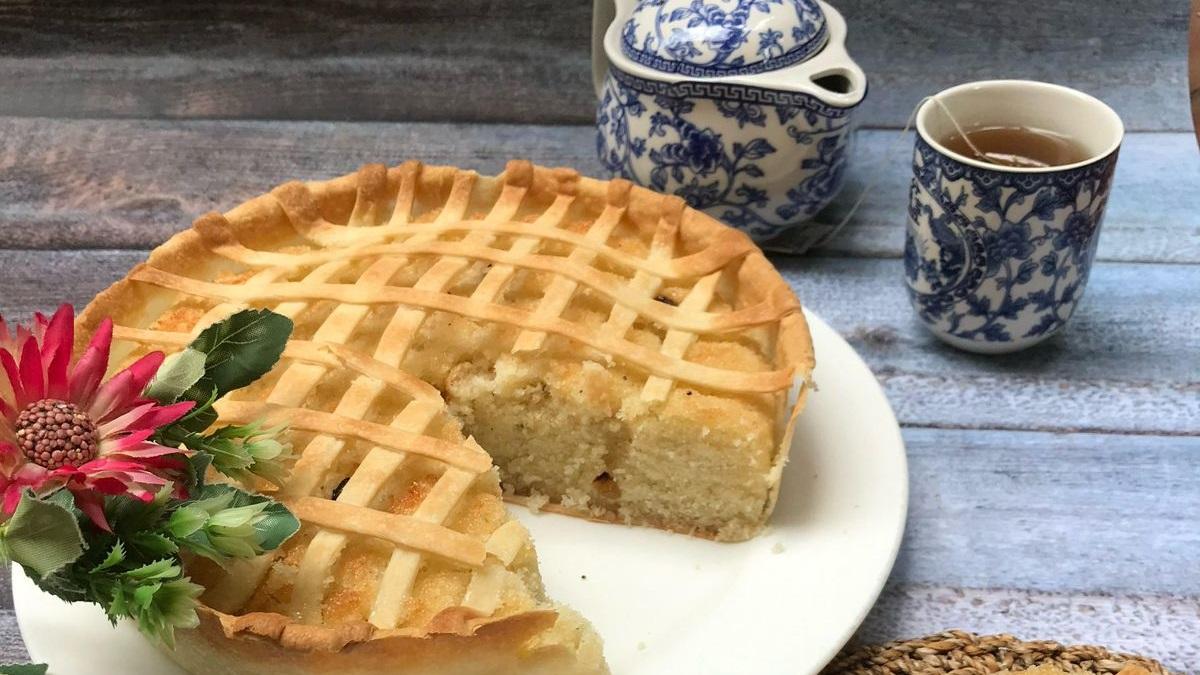
Christmas lunches in Indian homes are unique. With roots of Christianity going back 2000 years in the sub-continent, the food is a repository for influences from across the globe. From Portuguese flavours to traditional English roasts, all find a place on the table. In Bengaluru, which is home to Christian families from all parts of the country, the traditional lunch can take many different avatars.
Clive VanBuerle is a quintessential Anglo-Indian with Dutch and English background, but a true-blue Bengaluru boy. “On Christmas day, we generally do a potluck with my siblings and their families. There is lots of food and games.” The potluck will typically have a chicken roast, pork roast or a buff roast, with sides such as a Russian salad, cutlets, a Christmas pudding, a meatloaf, and shepherd’s pie.
“Christmas for an Anglo-Indian is where we celebrate our Anglo roots. For the rest of the year. we live an ‘Indian’ life. If you came home, I eat rice and dal or rasam. But Christmas is all about the Anglo side.”
Treats like homemade ginger wine, kulkul, and rose cookies are enjoyed through the season. “All these recipes have been passed down over the generations, and they keep evolving.”
Alexander Herman D’Souza belongs to the Mangalurean Christian community, where Christmas is one of the most cherished festivals of the year. He lives at K.R. Puram with his family, and their celebrations are deeply rooted in tradition, with preparations beginning almost a month in advance.
“One of the most special Christmas traditions in our home is the preparation of kuswar, a collection of traditional Mangalorean Christmas sweets. The process usually begins by mid-December, at least 10 days before Christmas. Kuswar includes delicacies such as kidos, chaklios, gulios, niroos, kikkisas, and rice laddoos — each made patiently and shared with neighbours, friends, and family.”
For Christmas lunch, traditional Mangalorean dishes such as pork bafat and pork indad, with chicken sukka and roce curry, are staples. “Freshly prepared sannas, appams, and rice noodles complete the Christmas spread,” he shares.
Sarah Supriya grew up in Hyderabad and moved to Bengaluru 22 years ago after getting married. “On the day of Christmas, it is always biryani,” she says.
Back in Hyderabad, it was authentic Hyderabadi biryani.
“When I came to Bengaluru, the Hyderabadi mutton biryani was replaced by donne biryani.”
Sarah makes the biryani at home, with neighbours and relatives coming together to cook. Along with the biryani, they have kheema balls. “My mother-in-law’s speciality was pepper chicken, that we ate with rotis.”
The family makes gulab jamun and ice cream for Christmas desserts.
Lalfakawma Ralte moved to Bengaluru eight years ago. “I am from Aizawl in Mizoram. I am part of the Bangalore Mizo Presbyterian church.” He says, for Christmas, one thing they always make, both back in Mizoram and now here in Bengaluru, is chhangban.
These are snacks that are made of steamed and hand-pounded glutinous rice. The rice is sweetened with jaggery and wrapped in leaves. “Chhangban literally translates to ‘sticky biscuit’. All families make it. We come together on Christmas eve, sing carols and eat the snacks.”
Beyond that, they have pork dishes for lunch. “One dish that is commonly eaten is pork boiled with mustard leaves. Or, pork fried in some oil.”
Lalfakawma’s wife also makes a plum cake that takes three or four months to prepare.
Mafalda Quadros is a Goan Catholic who has been in Bengaluru for 31 years. “Christmas sweets are my main focus.” The dishes have strong Portuguese influences.
Bebinca is a layered cake that Mafalda makes in her wood fired oven. Another Goan sweet is dodol, a fudge-like dessert, similar to halva in Kerala.
Batica is a cake made of sooji, and coconut, and a cousin of that is bolinhas, cookies made with the same ingredients.
Christmas lunch comprises sorpotel, a curry made with pork liver and heart, cooked in a red masala. Chicken or mutton xacuti is also very popular. The curries are accompanied by aroze, a Goan pulao.
“I want to keep the tradition alive. So, I make everything exactly the way we did back in Goa.”