

Key takeaways
- As previously announced, Apple has today released 2026’s major annual updates for its operating systems, including iOS 27, macOS 27 Golden…
- The new Siri can respond in kind to natural language requests to do things like explain what’s on the screen and search the user’s past…
- Other new AI features include the ability to generate Shortcut automations or Safari extensions from a prompt and additional photo editing…
What happened
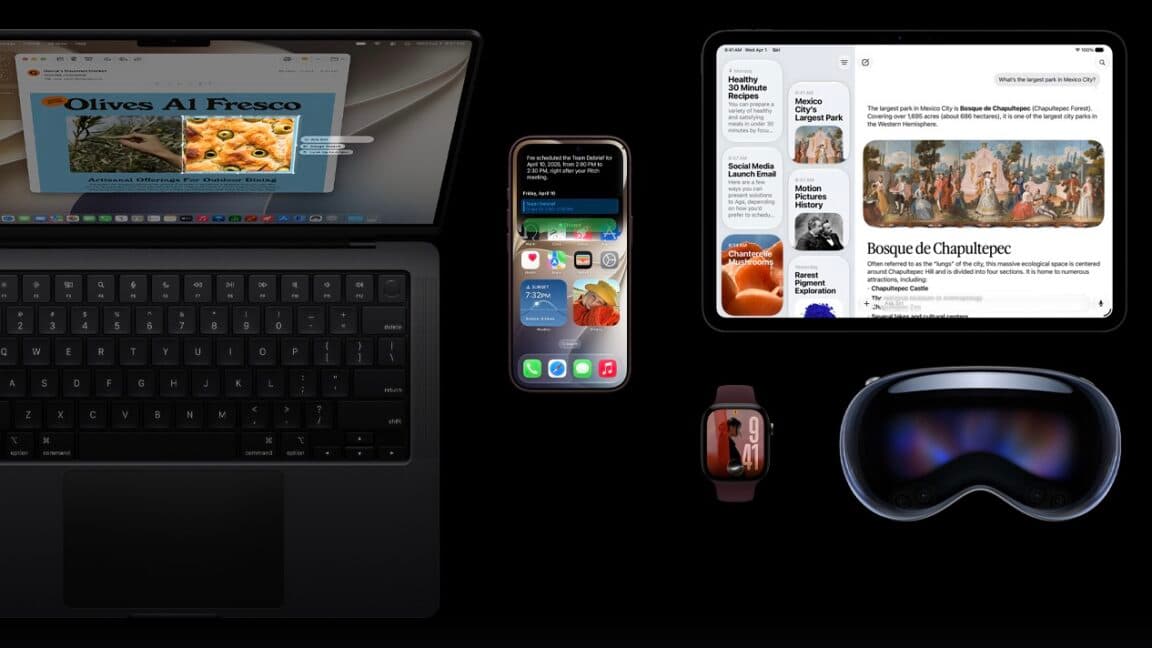
As previously announced, Apple has today released 2026’s major annual updates for its operating systems, including iOS 27, macOS 27 Golden Gate, watchOS 27, visionOS 27, and tvOS 27. Siri AI—a large language model-based and context-aware overhaul of the company’s Siri voice and text assistant—is the flagship feature across all these releases except one (tvOS).
tvOS completely lacks the new Siri AI features and instead focuses on tweaks or new features for the Podcasts and Music apps, plus the option to pick larger text sizes for the user interface. watchOS adds the Siri app and Siri AI, a new watch face, and various design updates, along with some expanded health and fitness features (like perimenopause and menopause notifications and tracking, and more accurate step counting).
However, it also removes a couple little-used features, including Walkie Talkie. Finally, visionOS also gets Siri AI and the Siri app. It has a new virtual environment (Thórsmörk), improved screen recording, and small UX tweaks throughout. All these updates are available to supported devices starting today.
Why it matters
The new Siri can respond in kind to natural language requests to do things like explain what’s on the screen and search the user’s past personal context and history (like old emails and text messages). It can also directly interact with applications when developers have added support for that.
Other new AI features include the ability to generate Shortcut automations or Safari extensions from a prompt and additional photo editing options. There’s now a dedicated Siri app, kind of similar in some respects to the classic ChatGPT or Claude apps. Siri AI and other “Apple Intelligence” features are primarily driven by a handful of Apple-developed models, most of them labeled AFM 3.
” On top of that, there are AFM 3 Cloud, ADM 3 Cloud (Image), and AFM3 Cloud Pro, more powerful models running on remote servers. Across both iOS and macOS, users now have a slider to affect how transparent or opaque the “Liquid Glass” design is across the operating system.
And on the macOS side especially, Apple has made numerous small design tweaks to address user feedback, which has been accumulating since Liquid Glass was introduced. There’s nothing radically new in terms of design here, but this is a much-needed polish pass. Across all the releases, but in particular macOS and also iOS, there are a bunch of quality-of-life or performance improvements.
For example, macOS now supports HDR for all system UI elements and gets more robust support for a wider range of display modes for external monitors. tvOS 27, visionOS 27, and watchOS 27 are generally much more minor updates than iOS 27 or macOS 27 Golden Gate.
What to watch
iOS 27 supports the iPhone 11 and later, but you’ll need either an iPhone 15 Pro or an iPhone 16 or later to use Siri AI. Golden Gate requires an M-series Mac. It’s also worth noting that Golden Gate is the last version of macOS to support Rosetta, which helps Apple Silicon/M-series Macs run older Intel-based applications.
After this cycle, many older unmaintained apps will stop working, but Apple did carve out an exception for older games that were developed for Intel Macs.