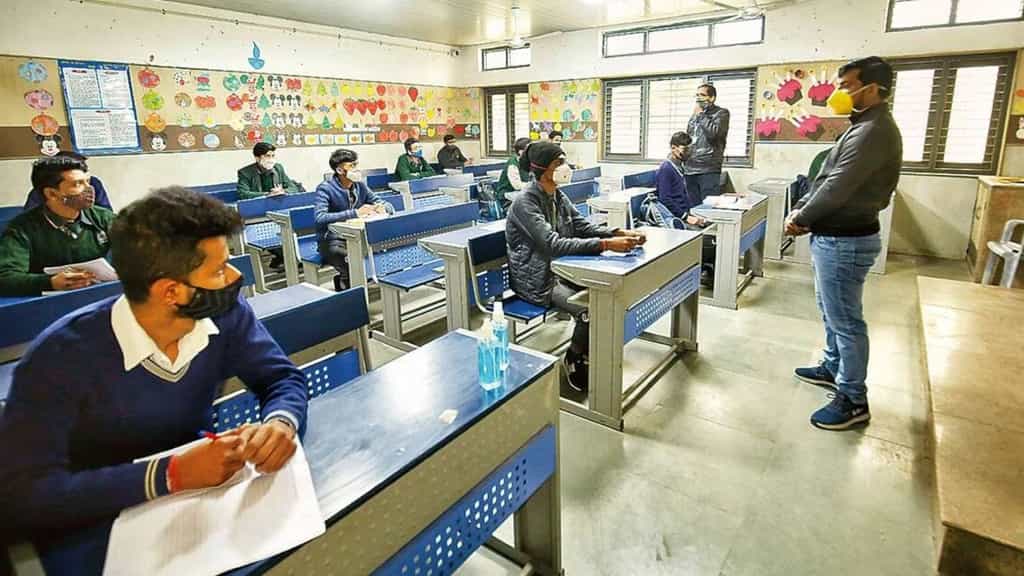
Minority schools in Delhi have moved the High Court against the new fee regulation law, saying it infringes their constitutional right to manage their institutions. (File Photo)
After private unaided schools, minority schools in the Capital have challenged the Delhi School Education (Transparency in Fixation and Regulation of Fees) Act, 2025, which came into effect last month, primarily on the ground that it violates the autonomy guaranteed to the minority institutions under the Constitution. The High Court, however, yet again refused to stay the law, as it heard a bunch of petitions by the minority schools on Friday.
On Thursday, in response to a batch of petitions filed by the schools challenging the constitutional validity of the new school fee regulation law in the High Court, the Delhi Education department had agreed to extend the deadline for constituting the School-level Fee Regulation Committee (SLFRC) to January 20, instead of the earlier deadline of January 10.
The minority schools on Friday in their plea highlighted that the new law stipulates the constitution of 11-member SLFRC in such a manner that it consists of nine ‘outsiders’ — three teachers, five parents and one Directorate of Education (DoE) nominee. This “amounts to taking away management’s right to fix the fee”, they told the court. Senior advocate Romy Chacko, appearing on behalf of the schools, argued that under Article 30 of the Constitution, one of the basic rights minority schools have is the right to fix the fee. “Any statutory committee dealing with administration of a minority school cannot have outsiders,” he said .
Adding that the law mandates unanimous agreement of all SLFRC members for the proposed fee, with even a single member’s dissent leading to a veto over the proposal, Chacko told the division bench of Chief Justice DK Upadhyaya and Justice Tejas Karia, “It is like the United Nations Security Council… every member has right to veto.”
Relying on judicial precedents set by the Supreme Court on the extent of rights of the managements of minority schools, the schools pointed out that the management of minority schools “must be free of control so that the founders or their nominees can mould the institution as they think fit and in accordance with their ideas as to how interest of the community and the institution will be best served”.
The schools have contended that the source of income for all unaided schools is the fee provided by the students which is used by the schools to meet the expenses, including salaries and other expenses incurred by the school, and “if it does not have the freedom to decide the fee structure of the school”, the management will not be able to administer the school.
Further, the minority schools have challenged the provision of the law which stipulates that the fee approved by the SLFRC is binding on the school for three academic years. Underlining that the school management will have to take into account and include the enhancement of the fee which may be applicable in the third year, payable from the first year itself, the have flagged that this may impose extreme financial burden on parents with effect from the first year itself.” This too, according to the schools, “completely curtails the autonomy of the schools”.
The minority schools have also highlighted that the new law empowers DOE to take extreme steps against schools, including attachment and sale of movable or immovable property of school management, take possession of school property and to sell the same. This, the minority schools have contended, violates their right to administer, under Article 30.
Eariler on Thursday, private schools challenged the law in the High Court, raising concerns about interference in their autonomy, the law’s tilt in favour of parents, and restrictions on how they handle fee-related matters.
Editorial Context & Insight
Original analysis & verification
Methodology
This article includes original analysis and synthesis from our editorial team, cross-referenced with primary sources to ensure depth and accuracy.
Primary Source
The Indian Express