

Key takeaways
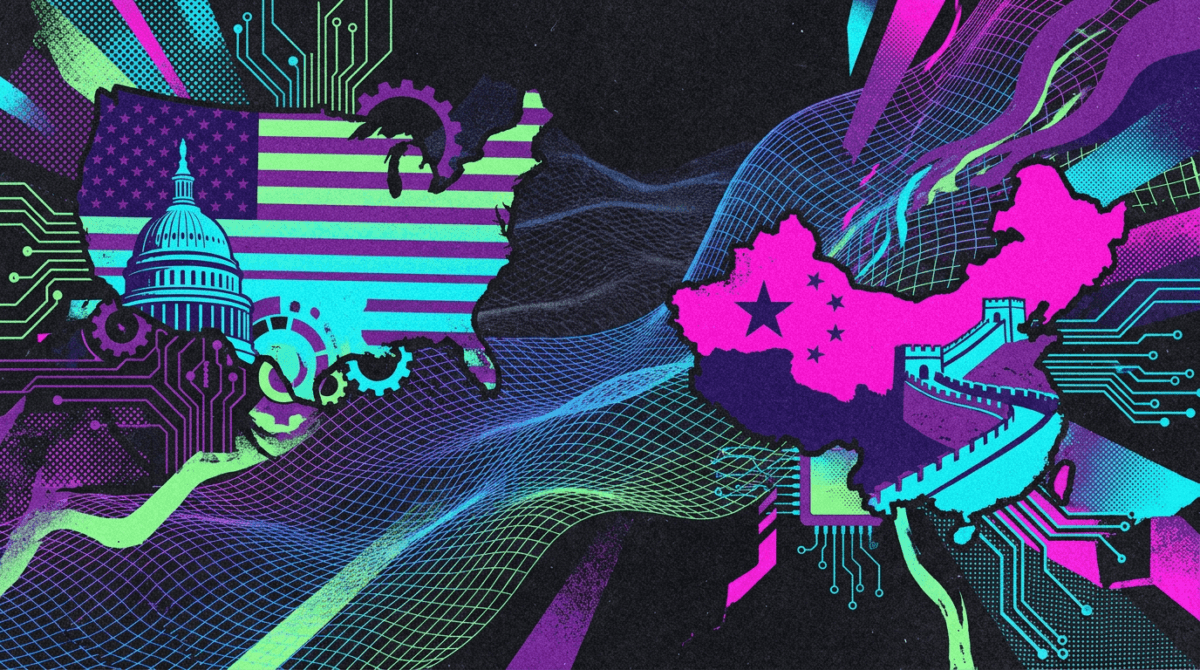
- The Trump administration is considering measures against Chinese AI models that could amount to an effective ban.
- Advisers who favored a lighter regulatory approach initially blocked those efforts.
- That closely matches the "FUD" strategy, short for "fear, uncertainty, and doubt," that OpenAI strategist Dean W.
What happened
The Trump administration is considering measures against Chinese AI models that could amount to an effective ban. According to Axios, the Department of Commerce, the NSA, and the White House have explored several options since 2025. S. companies that host Chinese models. The Commerce Department reportedly drafted rules as early as summer 2025 to protect domestic supply chains from Chinese open-source models.
Why it matters
Advisers who favored a lighter regulatory approach initially blocked those efforts. But the release of China's Kimi K3 model and personnel changes in the White House have helped supporters of tighter restrictions regain influence. A direct ban wouldn't even be necessary. S. companies that use Chinese models. Rather than ban Chinese models outright, the administration could focus on potential backdoors and security flaws, another source said.
That closely matches the "FUD" strategy, short for "fear, uncertainty, and doubt," that OpenAI strategist Dean W. Ball recently predicted. Soft guidelines and public warnings could deter companies without imposing binding rules. "You just create enough regulatory risk that every regulated enterprise backs off.
What to watch
You probably don't want to create so much regulatory risk that you scare off the hyperscalers from serving Chinese models; this will just drive startups to sketchier providers. There's a happy middle ground here," Ball wrote. Commercial and economic interests may also be driving the push. S. companies are increasingly using Chinese open-source models because they're cheaper and nearly as capable.
Restrictions would protect the market dominance of Google, OpenAI, and Anthropic. S. stock market's gains under Trump. S. providers, the fallout could hit markets hard. Open models pose real cybersecurity risks. S. ban wouldn't eliminate those threats and would do little to curb them. Open models can also support cyber defense, and Hugging Face says they can outperform commercial models at that task. Restricting access could create risks of its own.