Japan is a step closer to restarting the world's largest nuclear power plant for the first time since the Fukushima disaster.
Kashiwazaki-Kariwa was among 54 reactors shut down after a massive earthquake and tsunami crippled the Fukushima Daiichi plant in 2011.
On Monday, the Niigata prefectural assembly, where Kashiwazaki-Kariwa is located, approved a bill paving the way for Tokyo Electric Power Company (TEPCO) to restart one of seven reactors at the plant.
TEPCO, which also operated the damaged Fukushima Daiichi plant, will now seek final permission from Japan's nuclear regulator to restart operations.
According to Japanese public broadcaster NHK, the operator hopes to restart one of the seven reactors at Kashiwazaki-Kariwa on Jan. 20, with another 1.36-gigawatt reactor expected around 2030.
Prime Minister Sanae Takaichi, who took office two months ago, has backed nuclear restarts to strengthen energy security and counter the cost of imported fossil fuels.
So far, Japan has restarted 14 of the country's 33 reactors still considered operationally viable.
Kashiwazaki-Kariwa will become the first nuclear plant operated by TEPCO to resume operations since Fukushima.
But not everyone is happy about restarting Kashiwazaki-Kariwa.
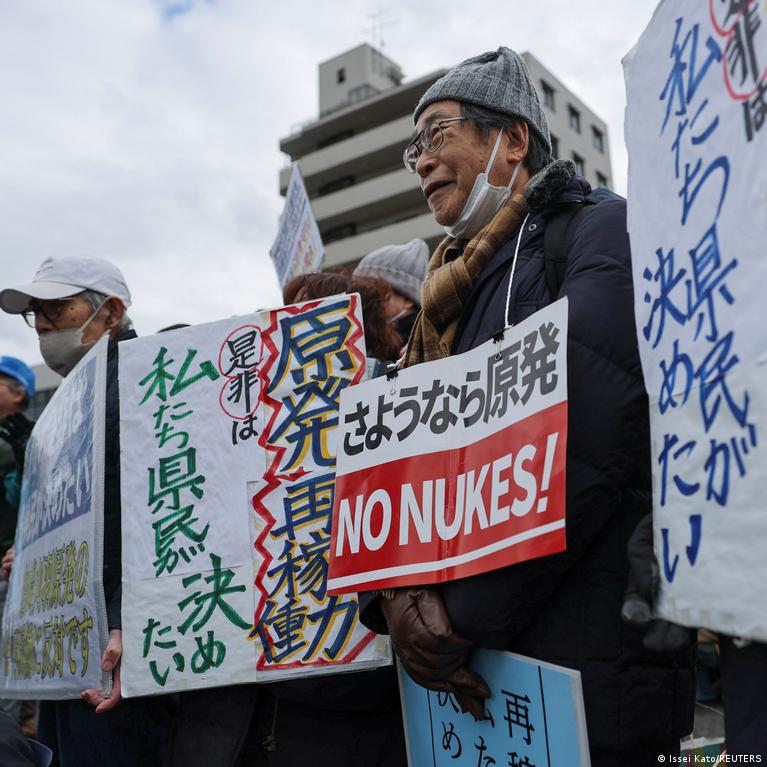
Around 300 protesters demonstrated outside the assembly on Monday against the decision.
"I am truly angry from the bottom of my heart," Kenichiro Ishiyama, a 77-year-old protester from Niigata city, told the Reuters news agency after the vote.
"If something was to happen at the plant, we would be the ones to suffer the consequences."
A survey published in October showed that 60% of residents did not think conditions for the restart had been met, and nearly 70% were worried about TEPCO operating the plant.
Niigata Governor Hideyo Hanazumi, who backed the restart, described Monday's decision as "a milestone," but "not the end."
"There is no end in terms of ensuring the safety of Niigata residents," he said.