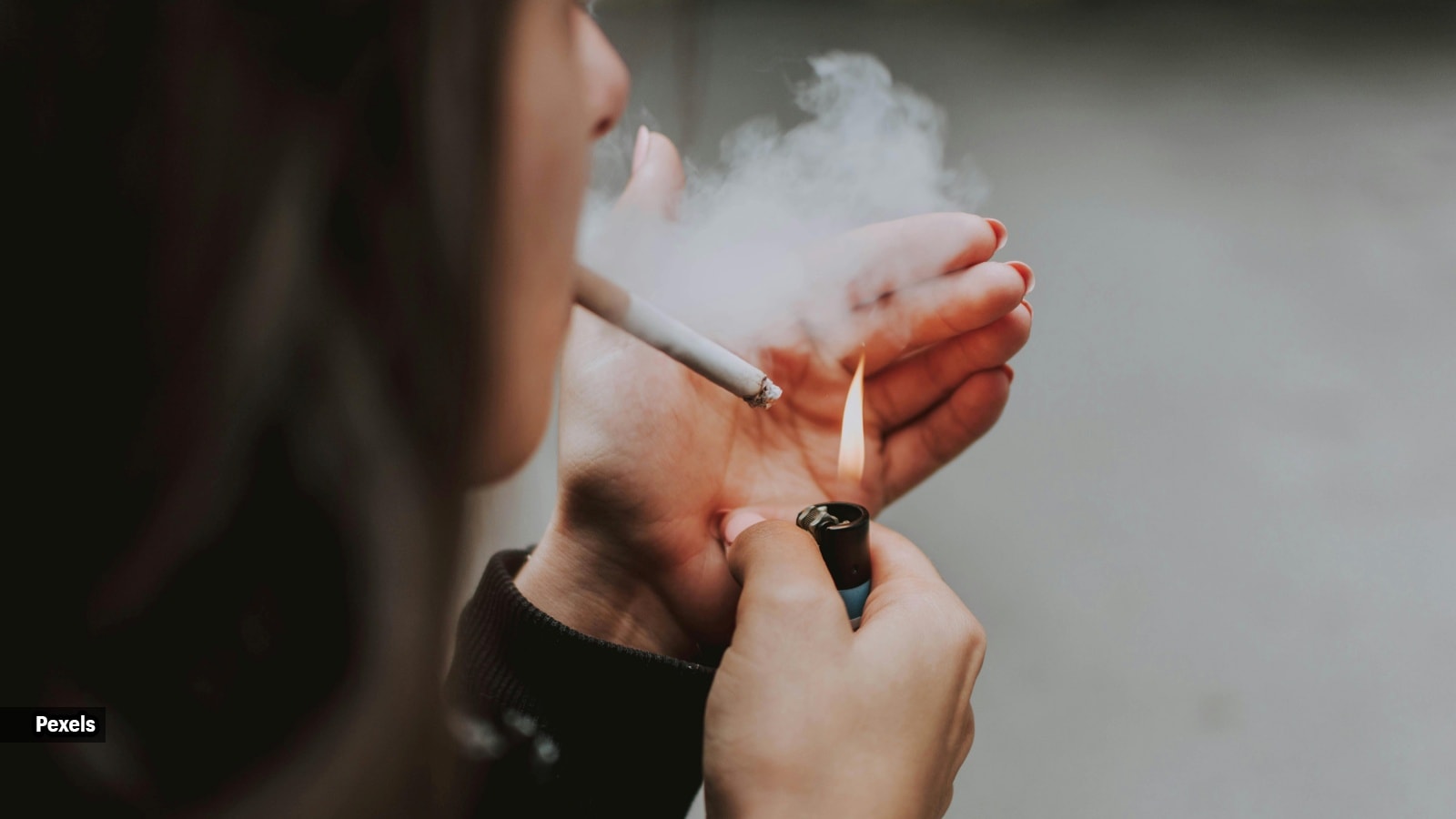
The impact is generally the most dramatic and visible one from the first time smoker (Photo: Pexels)
Smoking just two cigarettes a day may seem relatively less risky, especially in the corporate and media industry, but it is far from being harmless. Pulmonologists warn that even light, short-term smoking begins affecting the body far sooner than most expect. According to Dr Pooja T, Senior Specialist Pulmonologist at Aster RV Hospital, the effects of smoking two cigarettes a day are already noticeable within a month. “Nicotine is a fast-acting chemical that reinforces the brain’s reward system,” she explains. Even small, regular doses can lead to mild dependence and cravings, quietly laying the groundwork for addiction.
The cardiovascular system is often the first to feel the impact. Nicotine temporarily raises heart rate and blood pressure and causes blood vessels to narrow. “This puts immediate stress on the heart and the entire vascular system,” says Dr Pooja. Over repeated exposure, even in otherwise healthy individuals, this strain becomes more pronounced. Smoking also makes the blood slightly stickier, increasing the risk of clot formation and reducing oxygen delivery to tissues.
The lung capacity gets reduced gradually, and the cardiovascular problems, stroke, and cancers become more and more probable (Photo: Pexels)
The lungs, meanwhile, do not remain unaffected. Cigarette smoke irritates the airway lining, triggering inflammation and excess mucus production. Over the course of a month, this can show up as throat irritation, coughing, chest tightness, or mild breathlessness during physical activity. “Even light smoking reduces lung efficiency,” Dr Pooja notes, adding that people often dismiss these early symptoms as seasonal or harmless.
Beyond the heart and lungs, the body experiences increased oxidative stress due to exposure to toxic chemicals in cigarette smoke. This weakens immunity, slows healing, and affects overall resilience. Reduced blood flow can also begin to impact skin and oral health, sometimes causing dull skin, delayed wound healing, or gum irritation.
The reassuring part is that smoking two cigarettes daily for one month is unlikely to cause permanent, irreversible damage in most healthy individuals — provided they stop early. “Many of these changes are reversible if smoking is discontinued quickly,” says Dr Pooja. However, she cautions that even short-term exposure initiates cellular damage at a microscopic level, especially in the lungs and blood vessels. For people with asthma, heart disease, or a genetic predisposition, the effects can be stronger and longer-lasting.
Even the mildest smoking over a very short period causes lung inflammation, temporary narrowing of blood vessels, and increased heart rate and blood pressure. (Photo: Unsplash)
A major misconception lies in the belief that “light,” low-tar, or filtered cigarettes are safer. In reality, Dr Pooja explains that regular cigarettes, light cigarettes, bidis, and hand-rolled tobacco all deliver nicotine along with thousands of harmful chemicals. Smokers often inhale more deeply or smoke longer to compensate for reduced nicotine, exposing themselves to equal or higher toxin levels. In India, bidis in particular may release more nicotine and carbon monoxide, increasing risks to the heart and lungs.
The experience also differs sharply between first-time and habitual smokers. First-time smokers tend to feel the effects more acutely — dizziness, nausea, palpitations, anxiety, throat irritation, and headaches are common because the body has not adapted to nicotine. Habitual smokers may feel fewer immediate symptoms, but the damage accumulates silently, increasing long-term risks of lung disease, heart disease, stroke, and cancer.
The bottom line, Dr Pooja emphasises, is simple: “Even light smoking is not harmless. The real danger lies in how quickly the brain adapts to nicotine.” What begins as a small experiment can easily turn into a habit — and that is where lasting damage usually begins. Quitting early gives the body its best chance to recover fully.
DISCLAIMER: This article is based on information from the public domain and/or the experts we spoke to. Always consult your health practitioner before starting any routine.