Rising Tensions in the Indo-Pacific
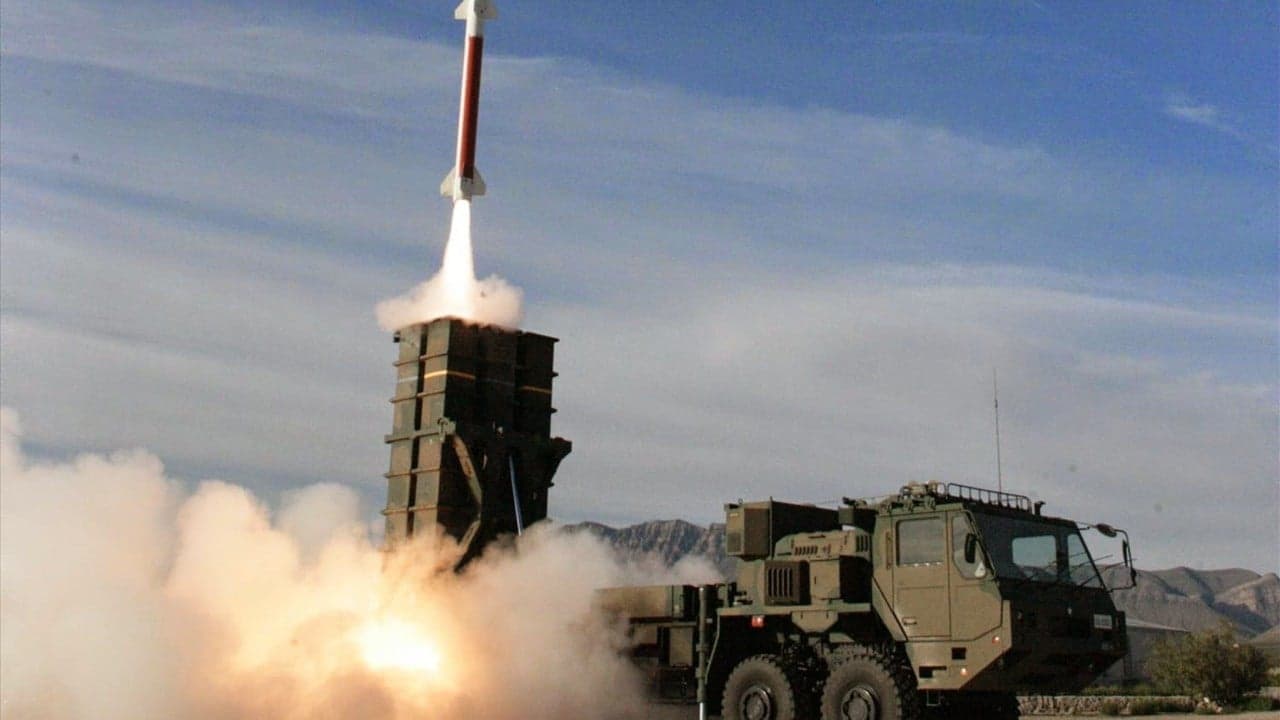
Tokyo is reportedly considering exporting its Type 03 Medium-Range Surface-to-Air Missile system to the Philippines, a move that underscores Japan's shifting defense posture and is likely to provoke strong reactions from Beijing. Japanese media reports indicate that this potential arms sale is part of Tokyo's broader effort to relax its self-imposed restrictions on weapons exports, aiming to play a more active role in regional security.
The missile system in question, the Type 03, is the same system Japan intends to deploy on Yonaguni Island, which lies a mere 110 kilometers (68 miles) from Taiwan. China has previously condemned the Yonaguni deployment as an “extremely dangerous” escalation, viewing it as a direct threat to its security interests. The prospect of this same missile system being exported to the Philippines adds another layer of complexity to the already strained relations between Japan and China.
Philippine Defense Modernization
The Philippines, under its current administration, has been actively seeking to modernize its armed forces and enhance its defense capabilities. This push for modernization is largely driven by growing concerns over China's increasing assertiveness in the South China Sea, where territorial disputes remain a significant source of tension. The acquisition of a missile system like the Type 03 would significantly bolster the Philippines' air defense capabilities.
Japan's Evolving Security Policy
Japan's consideration of exporting the Type 03 missile system reflects a notable shift in its security policy. For decades, Japan maintained strict limitations on arms exports, adhering to a pacifist constitution adopted after World War II. However, in recent years, facing a changing geopolitical landscape and growing regional security challenges, Japan has gradually eased these restrictions. This shift is motivated by a desire to contribute more actively to regional stability and to strengthen alliances with countries that share similar security concerns, such as the Philippines and the United States.
Geopolitical Implications
The potential sale of Japanese missiles to the Philippines has far-reaching geopolitical implications. It signifies a deepening security partnership between Tokyo and Manila, and reinforces the growing network of alliances aimed at counterbalancing China's influence in the Indo-Pacific region. The move is likely to be welcomed by the United States, which has been actively encouraging its allies to enhance their defense capabilities and work together to maintain a rules-based order in the region.
However, the deal also carries the risk of further escalating tensions with China. Beijing is likely to view the missile sale as an attempt to encircle it and undermine its strategic interests. China has consistently warned against any attempts to interfere in what it considers its internal affairs, particularly concerning Taiwan. The deployment of advanced missile systems in close proximity to Taiwan, whether on Yonaguni Island or in the Philippines, is certain to draw strong condemnation and could potentially trigger retaliatory measures.
The situation underscores the delicate balance of power in the Indo-Pacific region and the increasing need for careful diplomacy to manage the complex web of alliances and rivalries. As Japan continues to redefine its security role and the Philippines seeks to bolster its defenses, the region braces for a period of heightened strategic competition and potential instability.

