Divorce rates are at an all-time high in metropolitan cities, and the situation gets difficult when kids are involved. No matter what, the scenario has a significant impact on children’s psychological and emotional spectrum.
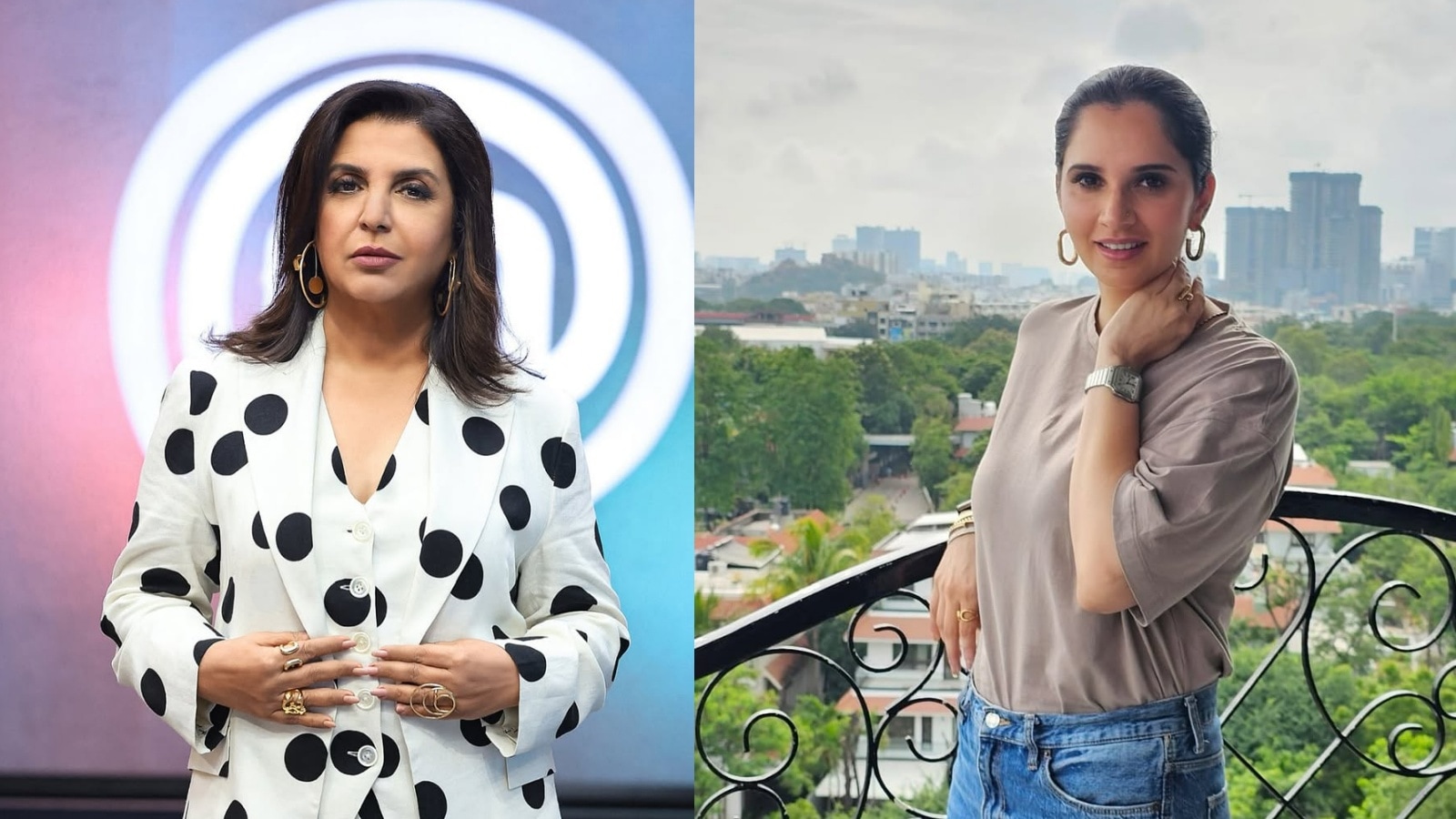
Indian tennis star Sania Mirza, who divorced Pakistani cricketer Shoaib Malik after 14 years of marriage, opened up about the situation in her podcast, Serving it up with Sania, when Bollywood choreographer Farah Khan made her debut as a guest.
Khan laid her heart bare with the recollection of her younger days, when divorce was taboo, and how it is almost the norm today. “We couldn’t call our friends or even in school say that our parents are separated. It was a very big taboo. And now I see in my children’s school that it is so normalised… every second person comes from a broken home. However much you normalise it, a child always gets affected,” noted Khan.
While Mirza agreed with Khan’s analysis, she correctly pointed out the perils of being stuck in a loveless family. “See, a child will be affected and suffer anyway. So you have to understand and choose a situation that is better because if a child is going to see two people who are extremely unhappy then there are certain calls that need to be taken.”
The tennis stalwart further stated that if the couple thinks they can pretend to be a loving duo for the sake of the child, it couldn’t be further from the truth. “…you’re kidding yourself because the child understands.”
Both the celebrities agree that it is extremely difficult to be a single mom, yet it’s important to leave a broken marriage for the sake of the mom’s and the kids’ sanity.
Taking a cue from their conversation, we reached out to Ms Mehezabin Dordi, clinical psychologist at Sir HN Reliance Foundation Hospital, Mumbai, to learn more about this.
The psychologist explains that separation is a significant attachment stressor. “Children commonly experience fear (about loss and the future), sadness and grief for the family they knew, anger (at one or both parents), and guilt (believing they caused it). Developmentally, younger children may show regressive behaviours (sleep or toileting changes), school-age kids often show somatic complaints and decline in school focus, and adolescents may withdraw or act out,” Dordi notes.
She further points out that the way separation happens matters more than the legal event itself. High interparental conflict, sudden disruption of routines, inconsistent caregiving, and economic instability increase risk for longer-term problems such as anxiety, depressive symptoms, and difficulties in relationships.
The psychologist acknowledges that it is indeed healthier, but the scenario has its own caveats. Dordi explains that chronic exposure to intense conflict, hostility, or emotional withdrawal is itself harmful to children’s emotional development. In those circumstances, a separation that reduces conflict and restores calmer caregiving can be protective.
“However, separation that replaces conflict with instability, parental unavailability, or ongoing bitter litigation can be just as damaging”. The healthiest outcome, as per the psychologist, is when separation reduces children’s exposure to conflict and parents maintain consistent, sensitive caregiving, clear routines, and respectful co-parenting.
Dordi agrees with Mirza’s analysis and reiterates that children are emotionally attuned to relationship tone. “Even when parents try to appear cheerful, children pick up on nonverbal cues (tension in voice, avoidance, body language), changes in routines, and inconsistent emotional responses.”
While younger children may not exactly label it “faking,” they sense emotional mismatch and may become anxious or hypervigilant.
Adolescents, however, may explicitly call it out or withdraw. “Honest, age-appropriate communication combined with emotional availability (listening, validating) is generally more reassuring than a forced “everything’s fine” script,” Dordi tells indianexpress.com.
The psychologist suggests science-based steps.